.png?width=300)
Plaza Accord
Topic Policy1985 agreement where major economies devalued the dollar against the yen and mark.
Total Coverage:2 articles
Last 7 Days:0
Topic Overview
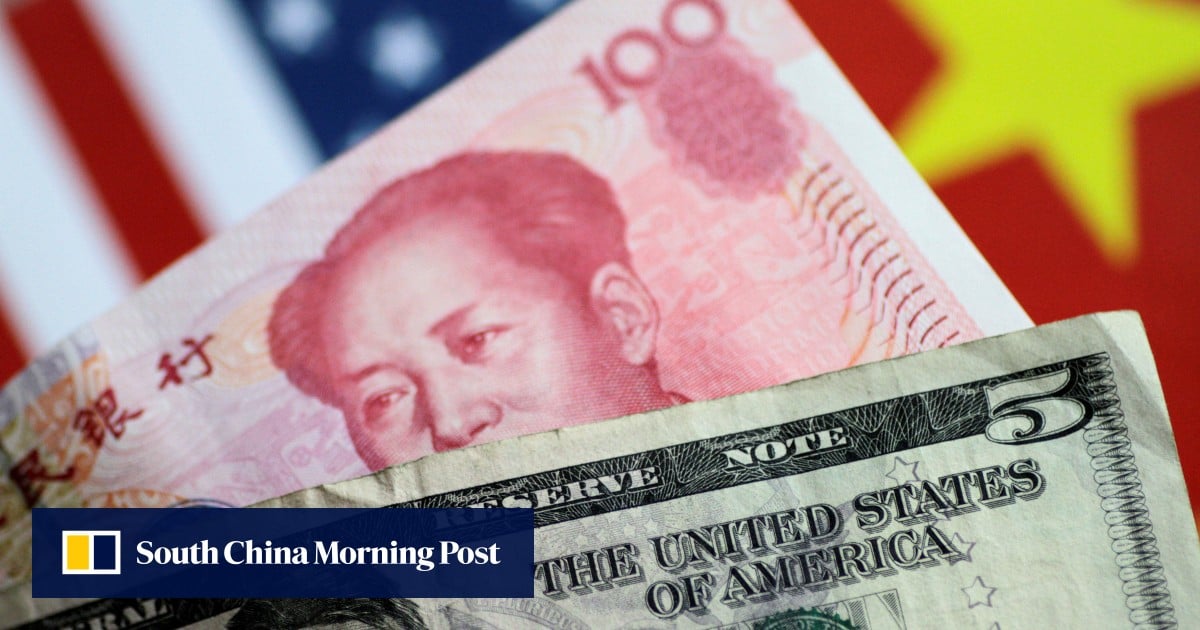
The Plaza Accord was a 1985 agreement signed by France, West Germany, Japan, the United Kingdom, and the United States to depreciate the U.S. dollar relative to the Japanese yen and German mark. The primary goal was to address the large U.S. trade deficit by making U.S. exports cheaper and imports more expensive. Recently, discussions have invoked the Plaza Accord as a historical precedent for international economic coordination, particularly concerning currency valuations. German Chancellor Friedrich Merz suggested the need for 'Plaza Accord-style' talks regarding the Chinese yuan, arguing it is significantly undervalued and that China's market practices, including subsidies, are distorting global trade. However, former IMF adviser Barry Eichengreen notes that such coordinated action is currently infeasible, as central banks are prioritizing domestic objectives over exchange-rate management, making a transition to a multipolar monetary system more complex.
Last updated: July 30, 2026