
S
subsidies
Topic EconomicSubsidies, financial aid from governments or organizations, are under scrutiny for market disruption and economic impact.
Total Coverage:2 articles
Last 7 Days:0
Velocity:-100.0%
Topic Overview
Subsidies are forms of financial assistance, often provided by governments, to support industries, consumers, or specific economic activities. They can be used to lower prices, encourage production, or achieve social goals. Recently, subsidies have become a focal point in discussions about market fairness and economic stability. In China, authorities are proposing regulations to curb the "irrational" use of subsidies by food-delivery platforms, aiming to prevent market disruption and predatory pricing practices that lead to losses. This move highlights concerns about how subsidies can distort competition and harm smaller players. Meanwhile, in Iran, the context of energy subsidies, though not explicitly detailed in the provided snippet, is implicitly relevant as the nation grapples with energy imbalances and economic strain. The historical reliance on subsidized energy prices can contribute to unsustainable consumption patterns and economic challenges when adjustments are needed. The current newsworthiness of subsidies stems from their dual role: as potential tools for economic development and social welfare, and as sources of market distortion and financial unsustainability when mismanaged or used excessively.
Last updated: September 25, 2026
Coverage Timeline

Bail out or downsize? Malaysia’s stark choice as AirAsia losses mount
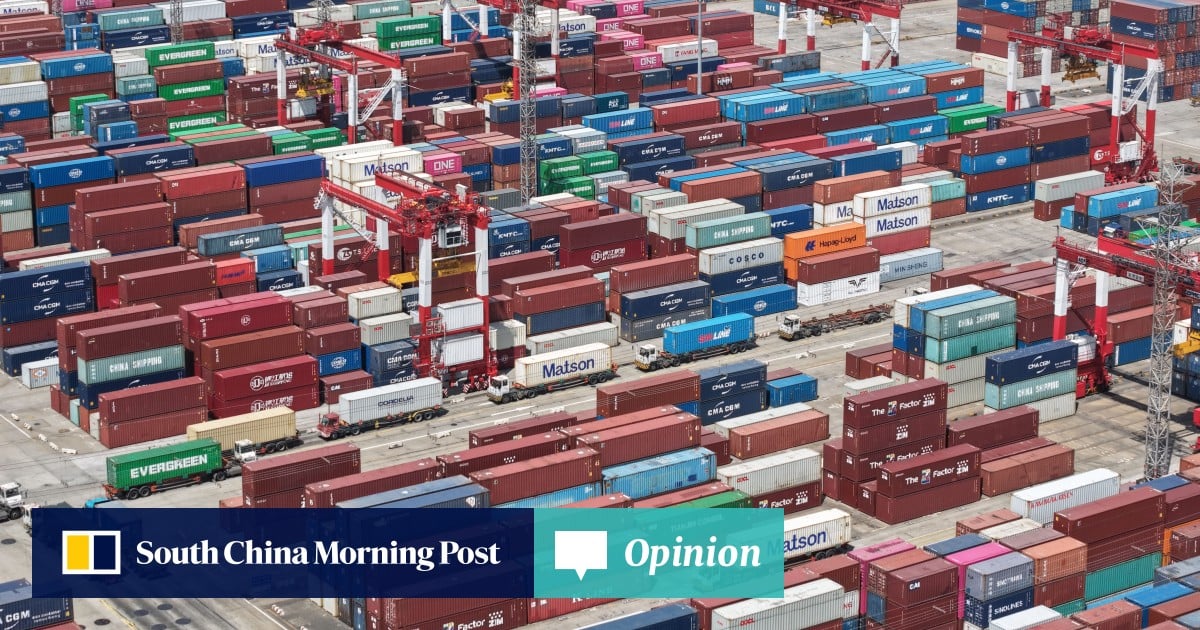
China’s export success is a by-product of self-reliance
Obamacare premiums surged this year. A new analysis shows it’s likely to happen again in 2027

US trade official takes aim at Beijing, faults Washington on industry

China moves to end ‘irrational’ food-delivery subsidies and the sector’s price wars
