The Philippines is seeking to move its China-sea" class="entity-link entity-location" data-entity-id="8346" data-entity-type="location">South China Sea row with Beijing into classrooms, a push that analysts say could shape how young Filipinos understand the country’s maritime claims while raising questions over potentially blurred lines between education and state narrative-building.Congressmen in the House of Representatives introduced legislation on Thursday requiring the Department of Education and the Commission on Higher Education to develop standardised teaching materials on the disputed waterway, particularly regions Manila considers to be within its exclusive economic zone.The bill would require educational materials to be based on the Philippine constitution, the Maritime Zones Act, the United Nations Convention on the Law of the Sea (Unclos) and a 2016 arbitral ruling that found China’s expansive claims in the contested waters had no legal basis under international law.
SRCSouth China Morning Post
LANGEN
LEANCenter-Right
WORDS130
ENT10
FRI · 2026-08-07 · 09:28 GMTBRIEF NSR-2026-0807-100048
NSR-2026-0807-100048News Report·EN·Political Strategy
Philippines’ South China Sea education push blurs ‘teaching the truth’ lines
Philippine congressmen have introduced legislation requiring the Department of Education and the Commission on Higher Education to develop standardized teaching materials on the South China Sea. This initiative aims to educate young Filipinos about the country's maritime claims in the disputed waterway, specifically areas within its exclusive economic zone.
Jeoffrey MaitemSouth China Morning PostFiled 2026-08-07 · 09:28 GMTLean · Center-RightRead · 1 min
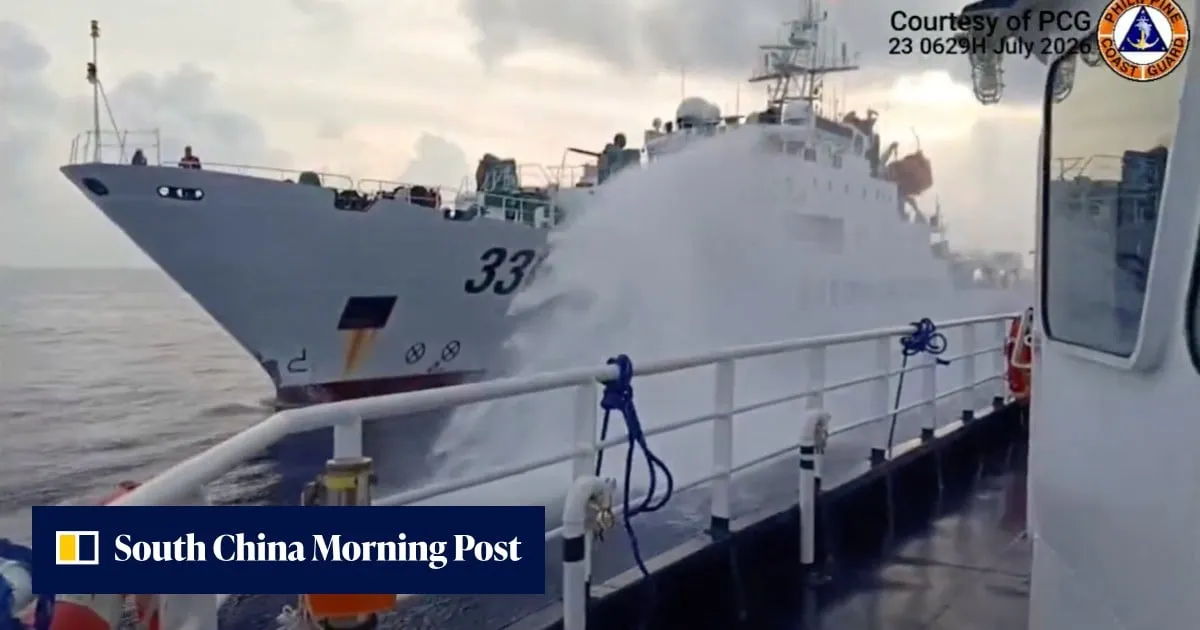
South China Morning PostFIG 01
Reading time
1min
Word count
130words
Sources cited
1cited
Entities identified
10entities
Quality score
100%
§ 01
Briefing Summary
AI-generatedNEWSAR · AI
Philippine congressmen have introduced legislation requiring the Department of Education and the Commission on Higher Education to develop standardized teaching materials on the South China Sea. This initiative aims to educate young Filipinos about the country's maritime claims in the disputed waterway, specifically areas within its exclusive economic zone. The proposed educational content must be grounded in the Philippine constitution, the Maritime Zones Act, UNCLOS, and a 2016 arbitral ruling that invalidated China's expansive claims. Analysts suggest this move could influence how students perceive the Philippines' maritime rights, while also raising concerns about the potential for blurring the lines between education and state narrative-building.
Confidence 0.85Sources 1Claims 4Entities 10
§ 02
Article analysis
Model · rule-basedFraming
Political Strategy
Diplomatic
Tone
Measured
AI-assessed
CalmNeutralAlarmist
Factuality
0.70 / 1.00
Factual
LowHigh
Sources cited
1
Limited
FewMany
§ 03
Key claims
4 extracted01
The bill mandates that educational materials be based on the Philippine constitution, Maritime Zones Act, Unclos, and the 2016 arbitral ruling.
factual
Confidence
1.00
02
Legislation has been introduced requiring the Department of Education and CHED to develop standardized teaching materials on the disputed waterway.
factual
Confidence
1.00
03
The Philippines is pushing to integrate South China Sea education into its school curriculum.
factual
Confidence
1.00
04
Analysts suggest the education push could shape young Filipinos' understanding of maritime claims and raise questions about state narrative-building.
quoteanalysts
Confidence
0.90
§ 04
Full report
1 min read · 130 words§ 05
Entities
10 identifiedKey playerOppositionContextPositiveNeutralNegative
Organizations4
Locations4
§ 06
Keywords & salience
8 termssouth china sea
1.00
maritime claims
0.90
education
0.80
state narrative-building
0.70
exclusive economic zone
0.60
arbitral ruling
0.50
united nations convention on the law of the sea
0.50
international law
0.40
§ 07
Topic connections
Interactive graph Network visualization showing 51 related topics
View Full Graph Person Organization Location Event|Click node to navigate|Edge numbers = shared articles