

United Nations Convention on the Law of the Sea
Organization IntergovernmentalUNCLOS: International agreement governing maritime activities and resource management, facing modern challenges.
Mentions:1
7 Days:0
About
The United Nations Convention on the Law of the Sea (UNCLOS), adopted in 1982, is a comprehensive international agreement that establishes a legal framework for all activities in the world's oceans and seas. It defines maritime zones, sets rules for navigation, resource management, and environmental protection. UNCLOS is newsworthy due to emerging challenges like the security of subsea cables and the need for stronger governance in environmental affairs. Recent subsea cable disruptions and gaps in UNCLOS are raising concerns about the vulnerability of critical digital infrastructure. Furthermore, the United States' withdrawal from various international institutions, including environmental agreements, highlights the strain on global governance architecture. China's engagement in international environmental affairs, such as nominating Xiamen for environmental recognition, is also noteworthy in this context. UNCLOS remains highly relevant as it provides the foundation for international cooperation on maritime issues, but its effectiveness is being tested by geopolitical tensions and technological advancements.
Last updated: October 3, 2026
Recent Coverage

Philippines defense chief calls out China after note interrupts remarks at Seoul forum: 'Coercion, bullying'

Philippines’ South China Sea education push blurs ‘teaching the truth’ lines
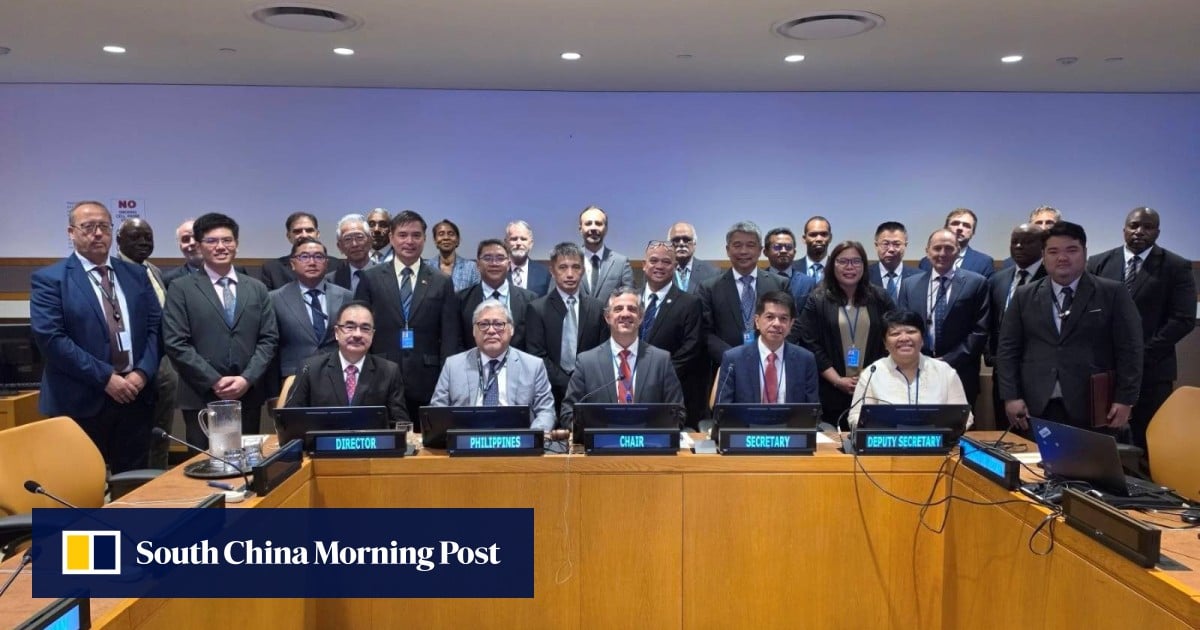
Will Philippines’ push for seabed rights derail South China Sea code talks?

China forces fire water cannon at Philippine ships in third faceoff this week in South China Sea

China and Philippines trade accusations after sailor injured at sea
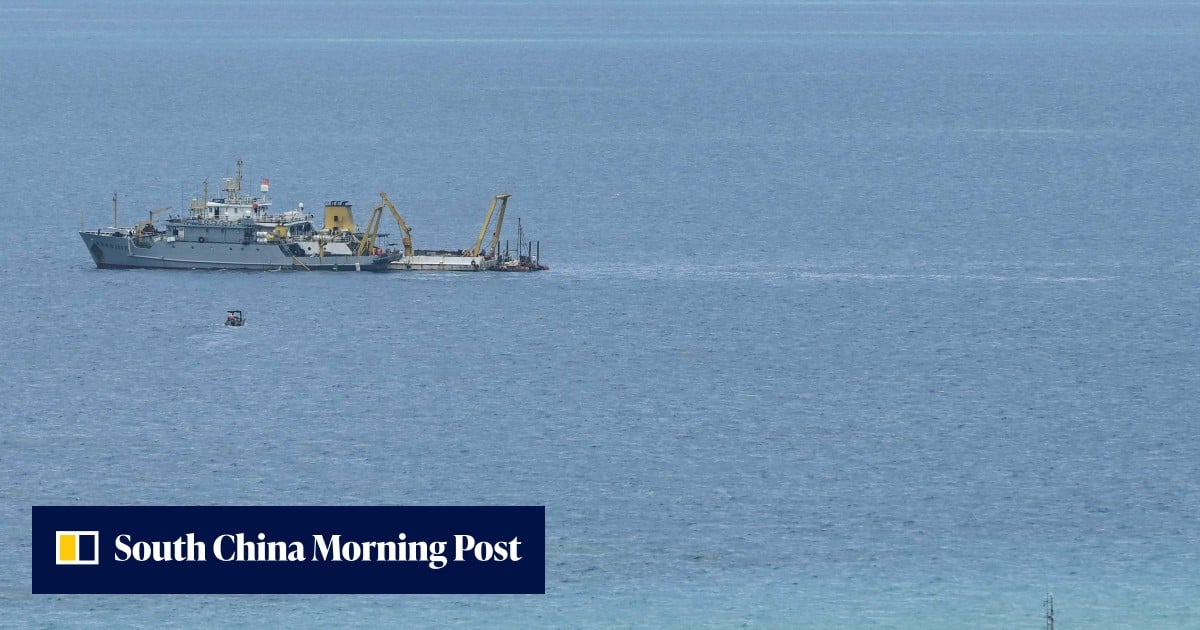
How Philippines is reshaping South China Sea defence, 10 years after Hague ruling
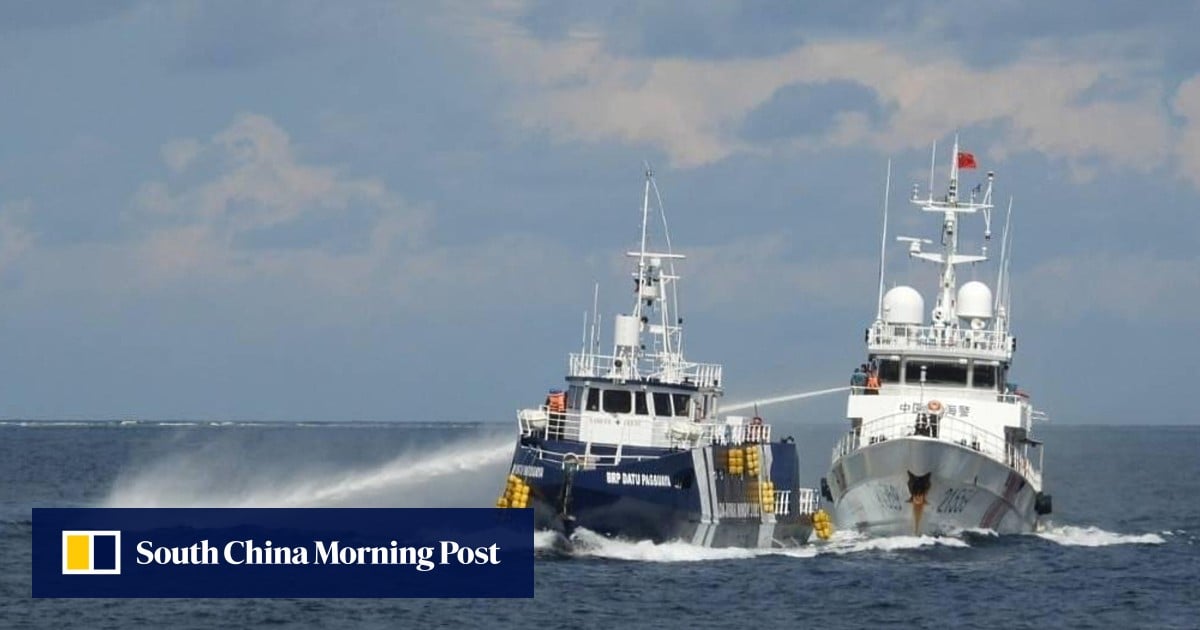
Beijing renews attacks on landmark South China Sea tribunal on ruling’s 10th anniversary

Chinese expert criticizes Filipino FM's claim that Japan-Philippines delimitation 'nothing to do' with China, warns move serves ulterior purposes beyond bilateral talks