The “long peace” is a term coined by Yale professor and Cold War historian John Lewis Gaddis in his 1987 book The Long Peace: Inquiries into the History of the Cold War. It refers to the fact that, from the end of World War II in 1945 into the 1980s, more than 40 years passed without a third world war between the United States and Soviet Union. For centuries before 1945, great powers fought destructive general wars such as the Napoleonic Wars, World War I and World War II roughly once every generation.Gaddis is almost right, except that the divide between the Cold War and the outbreak of a hot war was razor thin. During the Cold War, people in the camps led by the two superpowers were preparing for a hot war: an all-out world war III. Proxy wars were easily found on every continent. Nuclear false alarms showed we had a narrow escape from doomsday. Such a long peace looks lucky rather than intentional.The real long peace is China’s peaceful rise that began in 1978, when Beijing started its “reform and opening up” period. Peace lasting half a century has been a rarity throughout Chinese history. Chinese dynasties are punctuated with discontented peasant groups forcibly toppling reigning dynasties, only for subsequent peasant uprisings to overthrow the regime in a repeating cycle. Even in the early decades after the founding of the People’s Republic of China, military conflicts still occurred roughly once every decade, including the Korean War, the Sino-Indian War and the Sino-Vietnamese War.
SRCSouth China Morning Post
LANGEN
LEANCenter-Right
WORDS256
ENT12
TUE · 2026-08-11 · 12:30 GMTBRIEF NSR-2026-0811-101235
NSR-2026-0811-101235Opinion·EN·Diplomatic
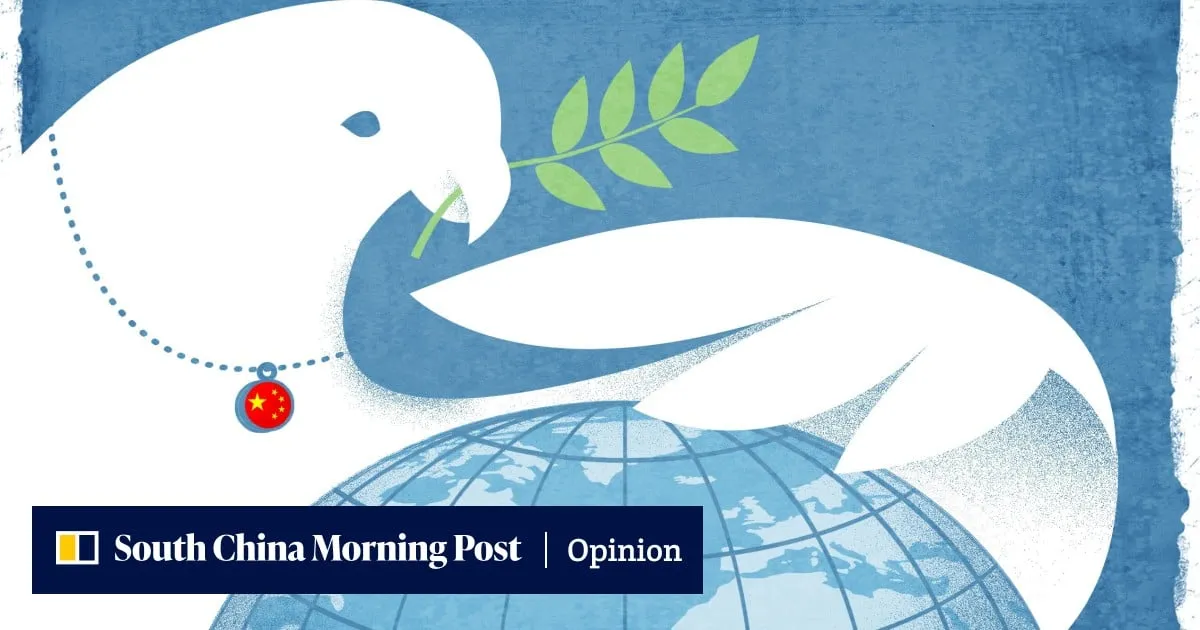
A strong China is the best hope for the ‘long peace’ to endure
The article discusses the concept of the "long peace," a period of over 40 years without a third world war between the US and Soviet Union following World War II, as defined by historian John Lewis Gaddis. It notes that this period was precarious, with proxy wars and nuclear false alarms indicating a constant threat of conflict.
Zhou BoSouth China Morning PostFiled 2026-08-11 · 12:30 GMTLean · Center-RightRead · 2 min
South China Morning PostFIG 01
Reading time
2min
Word count
256words
Sources cited
1cited
Entities identified
12entities
Quality score
100%
§ 01
Briefing Summary
AI-generatedNEWSAR · AI
The article discusses the concept of the "long peace," a period of over 40 years without a third world war between the US and Soviet Union following World War II, as defined by historian John Lewis Gaddis. It notes that this period was precarious, with proxy wars and nuclear false alarms indicating a constant threat of conflict. The article then proposes that China's peaceful rise, beginning with its "reform and opening up" in 1978, represents a more significant and sustained "long peace." This is contrasted with China's historical cycles of dynastic change and earlier decades marked by military conflicts. The author suggests that a strong China is crucial for this extended period of peace to endure.
Confidence 0.90Sources 1Claims 5Entities 12
§ 02
Article analysis
Model · rule-basedFraming
Diplomatic
Conflict
Tone
Measured
AI-assessed
CalmNeutralAlarmist
Factuality
0.40 / 1.00
Mixed
LowHigh
Sources cited
1
Limited
FewMany
§ 03
Key claims
5 extracted01
The 'long peace' refers to the period from the end of WWII to the 1980s without a third world war between the US and Soviet Union.
factualJohn Lewis Gaddis
Confidence
1.00
02
China's peaceful rise began in 1978 with its 'reform and opening up' period.
factual
Confidence
0.90
03
Centuries before 1945, great powers fought destructive general wars roughly once every generation.
factual
Confidence
0.80
04
Peace lasting half a century has been a rarity throughout Chinese history.
factual
Confidence
0.70
05
A strong China is the best hope for the 'long peace' to endure.
prediction
Confidence
0.50
§ 04
Full report
2 min read · 256 words§ 05
Entities
12 identifiedKey playerOppositionContextPositiveNeutralNegative
Locations4
§ 06
Keywords & salience
8 termslong peace
1.00
china's peaceful rise
0.90
cold war
0.80
great powers
0.70
world war ii
0.60
superpowers
0.50
proxy wars
0.40
reform and opening up
0.40
§ 07
Topic connections
Interactive graph Network visualization showing 51 related topics
View Full Graph Person Organization Location Event|Click node to navigate|Edge numbers = shared articles