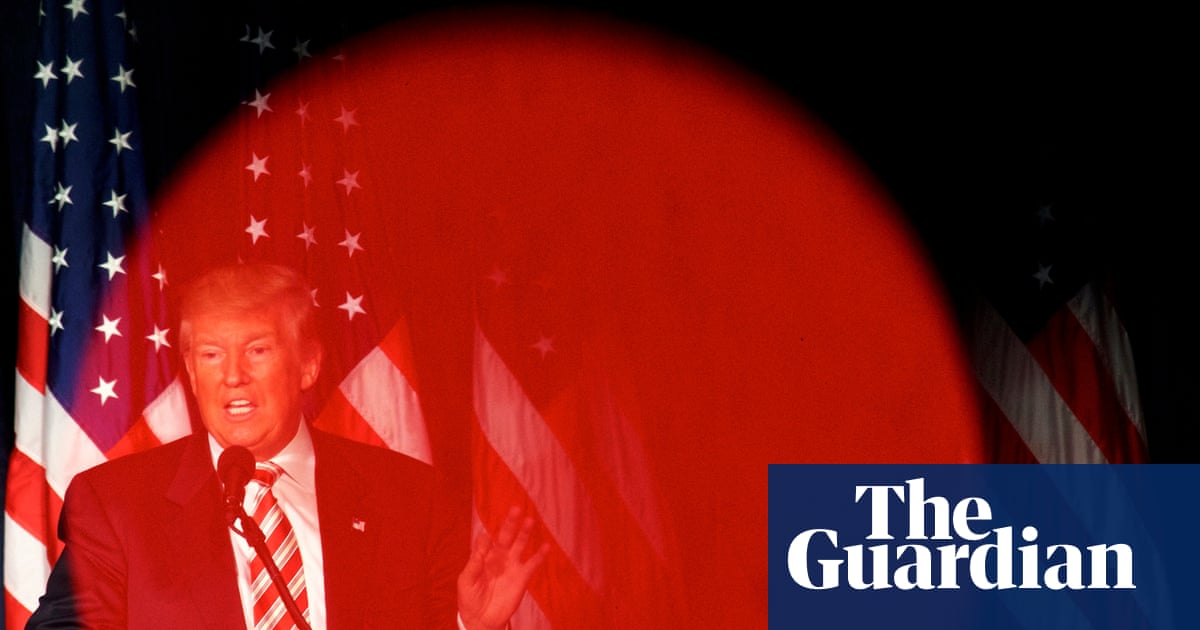
Cold War
Event ConflictCold War tensions echo in modern geopolitics, influencing military strategy, technology, and global power dynamics.
Total Coverage:29 articles
Last 7 Days:0
Velocity:-100.0%
Event Overview
The Cold War, a period of geopolitical tension between the United States and the Soviet Union and their respective allies, continues to resonate in contemporary global affairs. While the original conflict ended with the dissolution of the Soviet Union, its legacy shapes current military deployments, technological competition, and international relations. News articles highlight this enduring influence in several ways. The US military presence in Germany, a legacy of the Cold War, remains significant, although troop numbers have decreased since the height of the conflict. Furthermore, the US and China are engaged in a technological race, particularly in artificial intelligence, reminiscent of the Cold War's focus on technological superiority. Concerns about Russian aggression are also prompting European nations like Germany to re-evaluate military preparedness, including potential restrictions on citizens traveling abroad. The echoes of the Cold War are also seen in US military expansion plans in Greenland and historical references to past crises, such as the Iran hostage crisis, demonstrating the continuing relevance of Cold War events in understanding current geopolitical challenges.
Last updated: September 10, 2026
Summary Evolution
Coverage Timeline

US continues to squeeze Cuban economy with new round of sanctions
Movie Review: Kenneth Branagh and Ryan Reynolds star in irreverent Cold War action-comedy ‘Mayday’
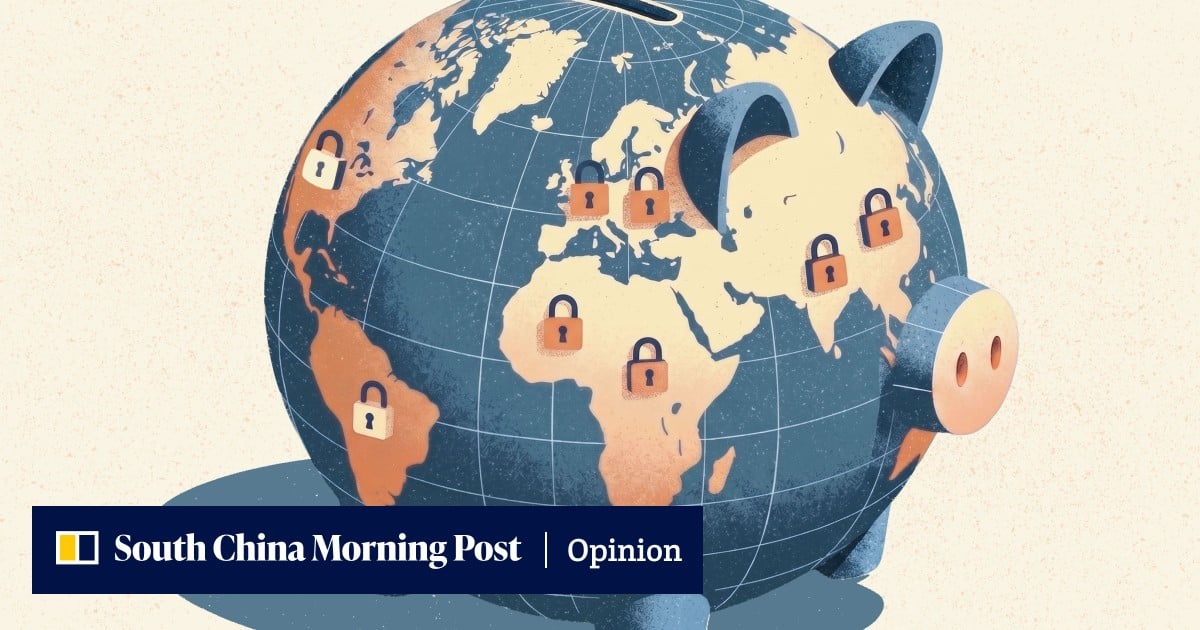
The security-obsessed global economy needs its own Helsinki process
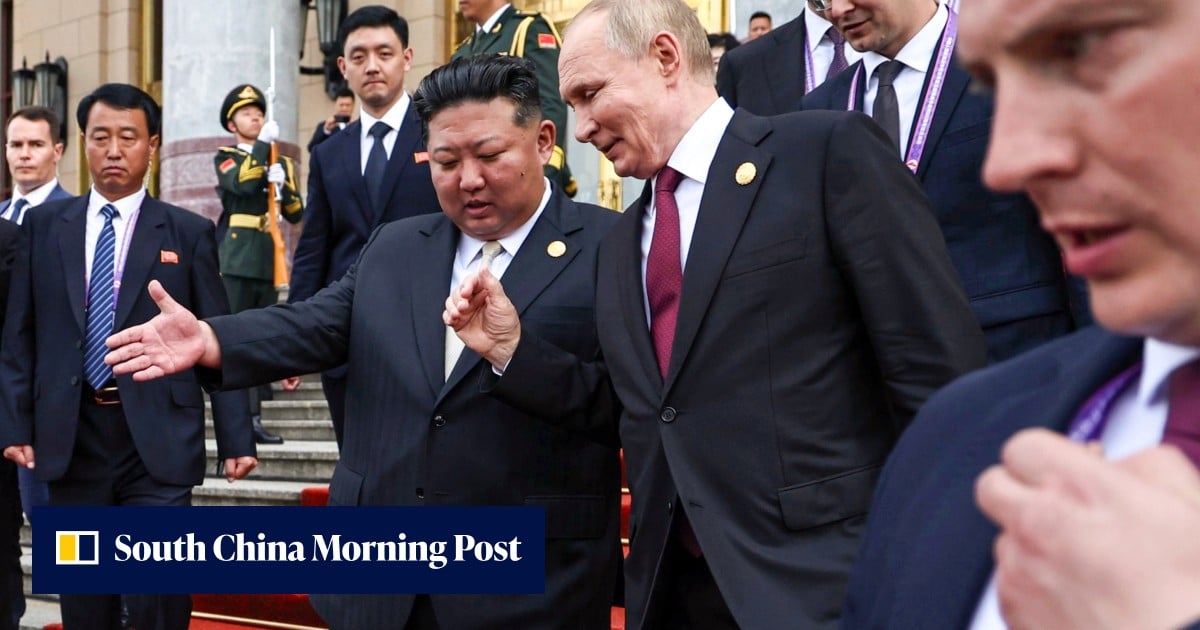
North Korea sharpens anti-Japan rhetoric as Russia ties grow
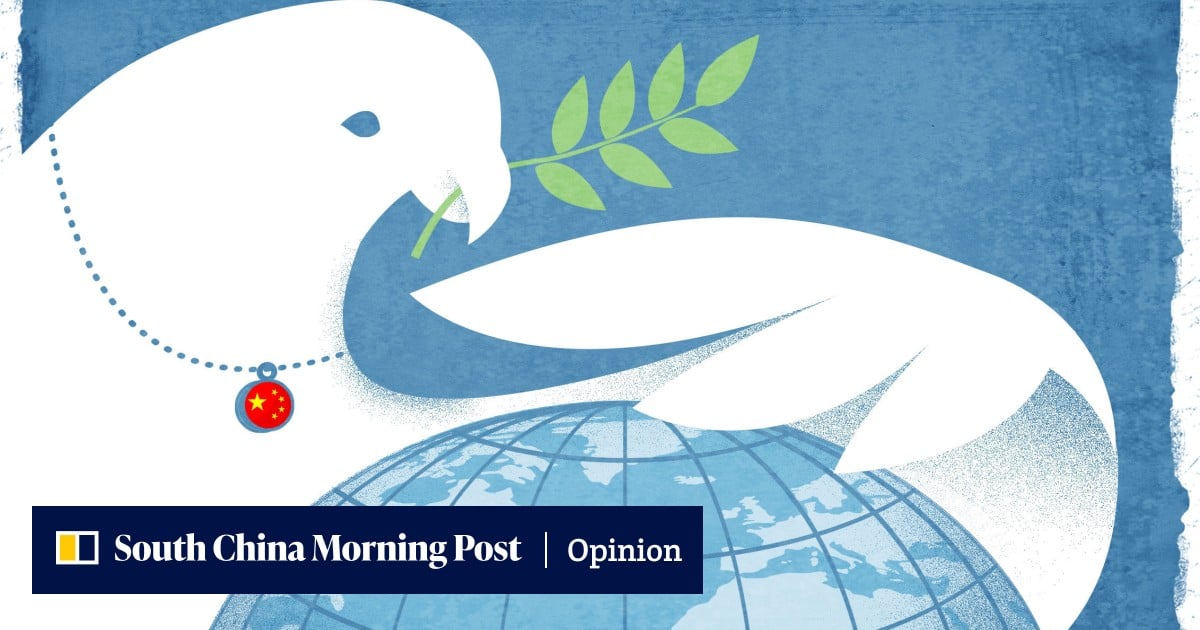
A strong China is the best hope for the ‘long peace’ to endure
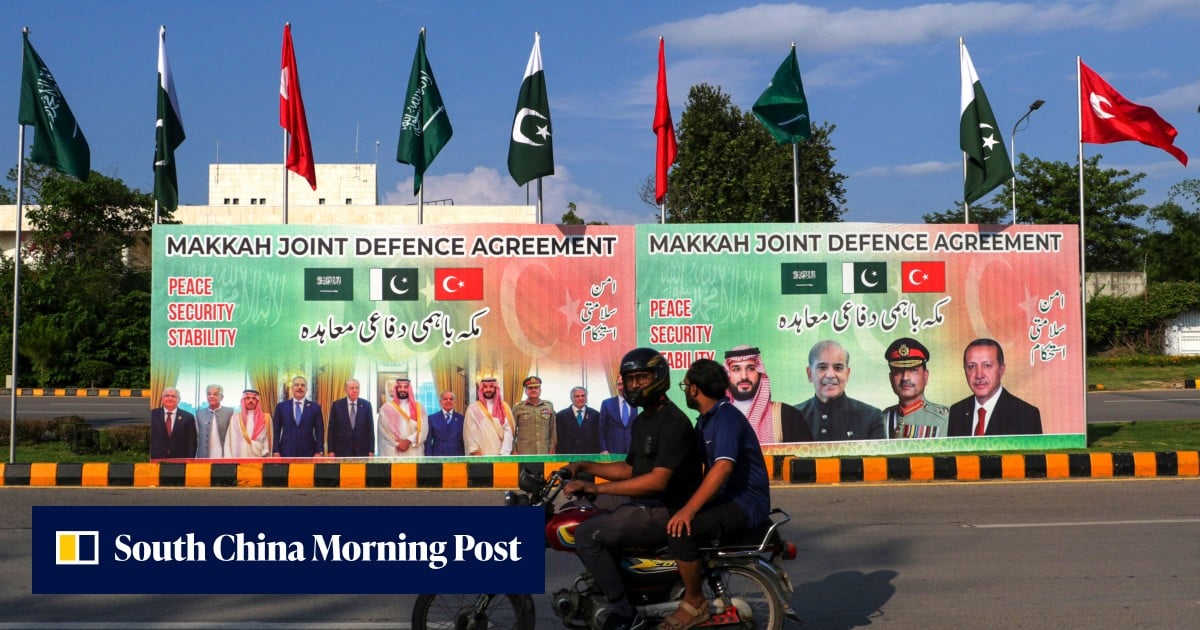
China waits in wings as Mecca pact signals Gulf shift away from US security umbrella

Wang Gungwu on the lessons of Chinese history and the Cold War
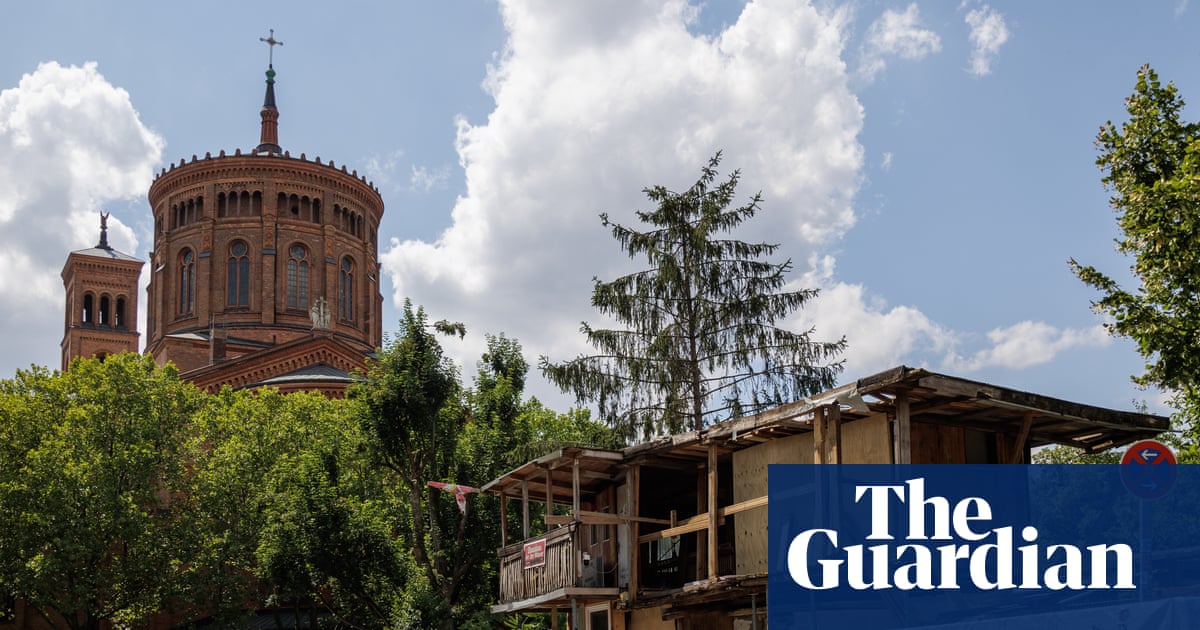
‘A symbol of resistance’: the fight to save treehouse built on no man’s land next to Berlin Wall