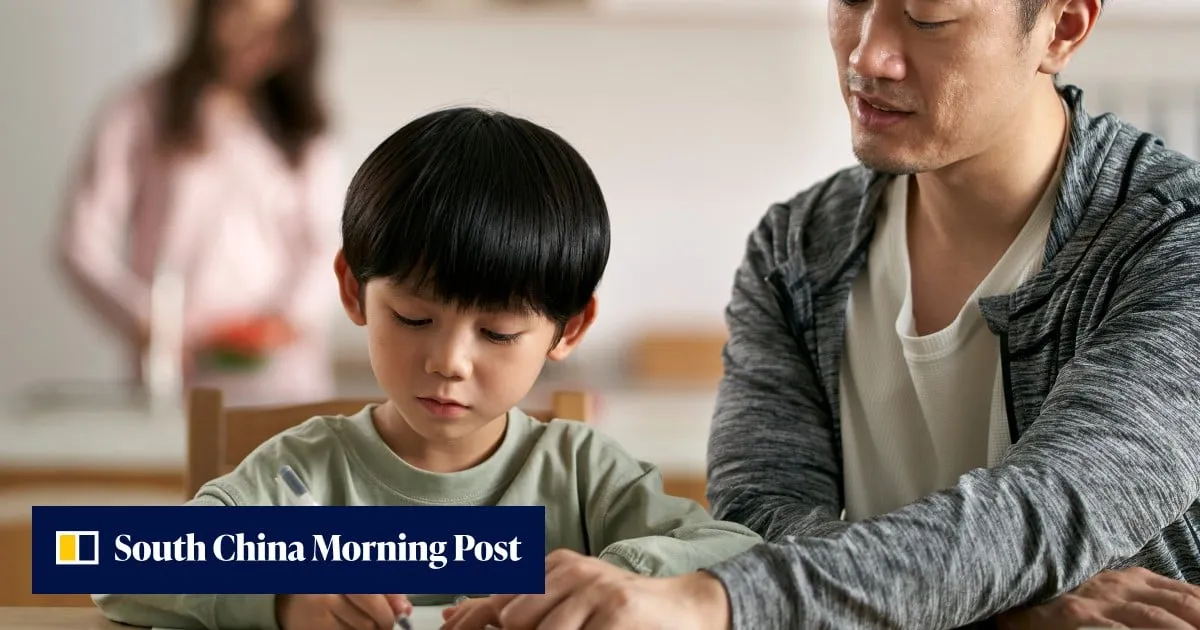
A new term, “pre-made children,” has recently gone viral on Chinese social media, highlighting the trend of parents prioritising their children’s studies over rest and enjoyment during summer holidays.This term, which gained traction this summer, is inspired by the concept of “pre-made meals,” describing factory-processed frozen foods that are easy to prepare.With many restaurants opting for this method over traditional cooked-to-order meals, the phrase carries a negative connotation in China, as people widely believe that only fresh food is healthy.“pre-made children” refers to children forced by their parents to study lessons they will learn in the coming term during their summer break.In eastern China’s Zhejiang province, a mother insisted that her Primary Four son study Chinese poems, recite English vocabulary, and attend online maths classes throughout the summer, despite these subjects being covered by schoolteachers in the autumn.The mother, surnamed Li, expressed that she and her husband must tutor their son after work each day, which leaves them exhausted; however, she feels “anxious” about not ensuring her son studies in advance.A boy is seen above working on his schoolwork. Some observers quip that if this trend continues, there will be transition programmes between university and work, and retirement and death. Photo: ShutterstockLi’s friends, who are also parents, shared their experiences of “pre-making” their children. One friend noted that her child consistently ranks in the top 10 of the class due to holiday pre-studies.Another parent from Shanghai shared on social media that “pre-making” enables children to respond more quickly to teachers’ questions, garner praise, and subsequently build self-confidence.At the same time, Li worries that the study burden may overwhelm her son. The boy, named Xiaoyu, once expressed to her that he “would rather have no holidays.”This trend has also extended to students who have just completed their gaokao, or national university entrance exam.Further ReadingThe gaokao is regarded as a pivotal exam and a life-changing opportunity for most Chinese students. The holiday between the gaokao and university is considered one of the few chances for mainland Chinese students to fully relax and enjoy life.On social media, some parents showcased their secondary school graduate children preparing for university-level lessons.The family pictured above embraces outdoor play, standing in sharp contrast to hyper-focused parents who turn every free hour into study time. Photo: ShutterstockThe trend has even led some training schools to offer “high school to university transition summer programmes,” with some charging as much as 400,000 yuan (US$60,000) per session.This phenomenon is seen as a latest development in jiwa, or “chicken-blood parenting,” which describes the intense pressure parents exert on their children to ensure their competitiveness among peers.One netizen commented on the trend as being “juan,” referring to the neijuan phenomenon, or involution, denoting excessive competition.“If this continues, I wonder if there will be transition programmes between university and work, and retirement and death?” quipped another.However, some support such programmes, with one advocate stating: “University is quite different from secondary school. It doesn’t hurt to adapt to this new environment with such programmes.”Another commenter echoed this sentiment, saying: “I found such programmes beneficial. I attended one that provided guidance on how to plan university life according to future pathways and what steps to take if I wish to enter the workforce or pursue further studies after university.”
SRCSouth China Morning Post
LANGEN
LEANCenter-Right
WORDS543
ENT8
THU · 2026-08-13 · 06:00 GMTBRIEF NSR-2026-0813-101844
NSR-2026-0813-101844News Report·EN·Human Interest
Chinese ‘pre-made children’ term reflects trend of parents prioritising study over summer fun
A new viral term, "pre-made children," on Chinese social media describes parents prioritizing their children's academic studies over summer rest and enjoyment. This trend, observed this summer, involves parents making children study material from the upcoming school term, drawing a parallel to pre-made meals which are seen negatively as less fresh.
Fran LuSouth China Morning PostFiled 2026-08-13 · 06:00 GMTLean · Center-RightRead · 3 min
South China Morning PostFIG 01
Reading time
3min
Word count
543words
Sources cited
3cited
Entities identified
8entities
Quality score
100%
§ 01
Briefing Summary
AI-generatedNEWSAR · AI
A new viral term, "pre-made children," on Chinese social media describes parents prioritizing their children's academic studies over summer rest and enjoyment. This trend, observed this summer, involves parents making children study material from the upcoming school term, drawing a parallel to pre-made meals which are seen negatively as less fresh. Parents cite anxiety about their child falling behind and the desire for them to gain praise and confidence as reasons for this approach. The phenomenon extends to recent high school graduates preparing for university, with some specialized summer programs costing significant amounts. This intense parenting style is linked to the "chicken-blood parenting" and "involution" phenomena, reflecting extreme competition among peers.
Confidence 0.90Sources 3Claims 5Entities 8
§ 02
Article analysis
Model · rule-basedFraming
Human Interest
Social Justice
Tone
Mixed Tone
AI-assessed
CalmNeutralAlarmist
Factuality
0.60 / 1.00
Mixed
LowHigh
Sources cited
3
Well sourced
FewMany
§ 03
Key claims
5 extracted01
Some training schools offer “high school to university transition summer programmes” charging up to 400,000 yuan (US$60,000).
factual
Confidence
0.90
02
A mother in Zhejiang province insisted her son study Chinese poems, recite English vocabulary, and attend online maths classes during summer.
factualSurnamed Li
Confidence
0.90
03
The term describes children forced by parents to study lessons for the coming term during their summer break.
factual
Confidence
0.90
04
A new term, “pre-made children,” has gone viral on Chinese social media, highlighting parents prioritizing studies over summer holidays.
factual
Confidence
0.90
05
Some parents believe “pre-making” helps children rank higher in class, respond faster to teachers, and build self-confidence.
factualLi's friends and another parent from Shanghai
Confidence
0.80
§ 04
Full report
3 min read · 543 words§ 05
Entities
8 identifiedKey playerOppositionContextPositiveNeutralNegative
Events1
§ 06
Keywords & salience
8 termspre-made children
1.00
parental anxiety
0.90
academic pressure
0.80
summer holidays
0.70
childhood development
0.60
education trend
0.50
gaokao
0.40
social media
0.40
§ 07
Topic connections
Interactive graph Network visualization showing 51 related topics
View Full Graph Person Organization Location Event|Click node to navigate|Edge numbers = shared articles