Russia is confounding expectations that its influence in the Middle East would drastically decline after the downfall of Syria’s Assad regime in 2024.At the time, Moscow operated about 100 military facilities in the war-torn country, following its intervention in the Syrian civil conflict from 2015 to prop up then president Bashar al-Assad in alliance with Iran and its regional proxies.When Assad was forced to flee to Moscow, and control of most of Syria was seized by Islamist rebels led by current President Ahmed al-Sharaa, Russia looked set to lose the air and naval bases that enabled it to project power in the Middle East and North Africa.
SRCSouth China Morning Post
LANGEN
LEANCenter-Right
WORDS107
ENT8
SAT · 2026-08-15 · 05:00 GMTBRIEF NSR-2026-0815-102496
NSR-2026-0815-102496Analysis·EN·Political Strategy
Russia’s role in Middle East politics endures, shifts to being ‘secondary power’
Contrary to expectations, Russia's influence in the Middle East has not significantly diminished following the downfall of the Assad regime in Syria in 2024. Russia had intervened in the Syrian civil conflict from 2015, supporting President Bashar al-Assad alongside Iran and its proxies, and operated approximately 100 military facilities in the country.
Tom HussainSouth China Morning PostFiled 2026-08-15 · 05:00 GMTLean · Center-RightRead · 1 min
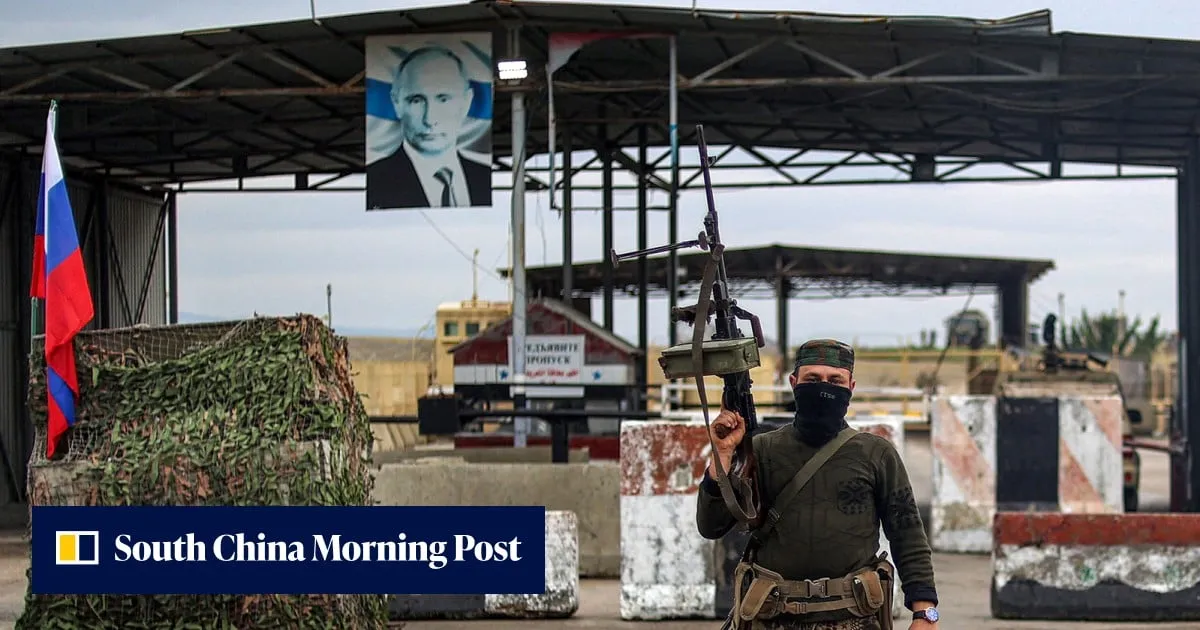
South China Morning PostFIG 01
Reading time
1min
Word count
107words
Sources cited
0cited
Entities identified
8entities
Quality score
100%
§ 01
Briefing Summary
AI-generatedNEWSAR · AI
Contrary to expectations, Russia's influence in the Middle East has not significantly diminished following the downfall of the Assad regime in Syria in 2024. Russia had intervened in the Syrian civil conflict from 2015, supporting President Bashar al-Assad alongside Iran and its proxies, and operated approximately 100 military facilities in the country. When Assad fled to Moscow and Islamist rebels seized control of most of Syria, it appeared Russia would lose its strategic air and naval bases, which facilitated its power projection across the Middle East and North Africa. Despite these shifts, Russia's role in regional politics persists.
Confidence 0.85Claims 4Entities 8
§ 02
Article analysis
Model · rule-basedFraming
Political Strategy
Conflict
Tone
Measured
AI-assessed
CalmNeutralAlarmist
Factuality
0.60 / 1.00
Mixed
LowHigh
Sources cited
0
No named sources
FewMany
§ 03
Key claims
4 extracted01
Moscow operated about 100 military facilities in Syria following its intervention from 2015 to 2024.
factual
Confidence
0.90
02
Russia's role in Middle East politics endures, shifting to being a 'secondary power'.
factual
Confidence
0.80
03
Russia's influence in the Middle East is not declining as expected after the downfall of the Assad regime in 2024.
factual
Confidence
0.80
04
Bashar al-Assad fled to Moscow and Islamist rebels led by Ahmed al-Sharaa seized control of most of Syria.
factual
Confidence
0.70
§ 04
Full report
1 min read · 107 words§ 05
Entities
8 identifiedKey playerOppositionContextPositiveNeutralNegative
Locations5
§ 06
Keywords & salience
8 termsrussia middle east politics
1.00
syrian civil conflict
0.90
bashar al-assad
0.80
iran regional proxies
0.70
military facilities
0.60
project power
0.50
islamist rebels
0.40
ahmed al-sharaa
0.40
§ 07
Topic connections
Interactive graph Network visualization showing 51 related topics
View Full Graph Person Organization Location Event|Click node to navigate|Edge numbers = shared articles