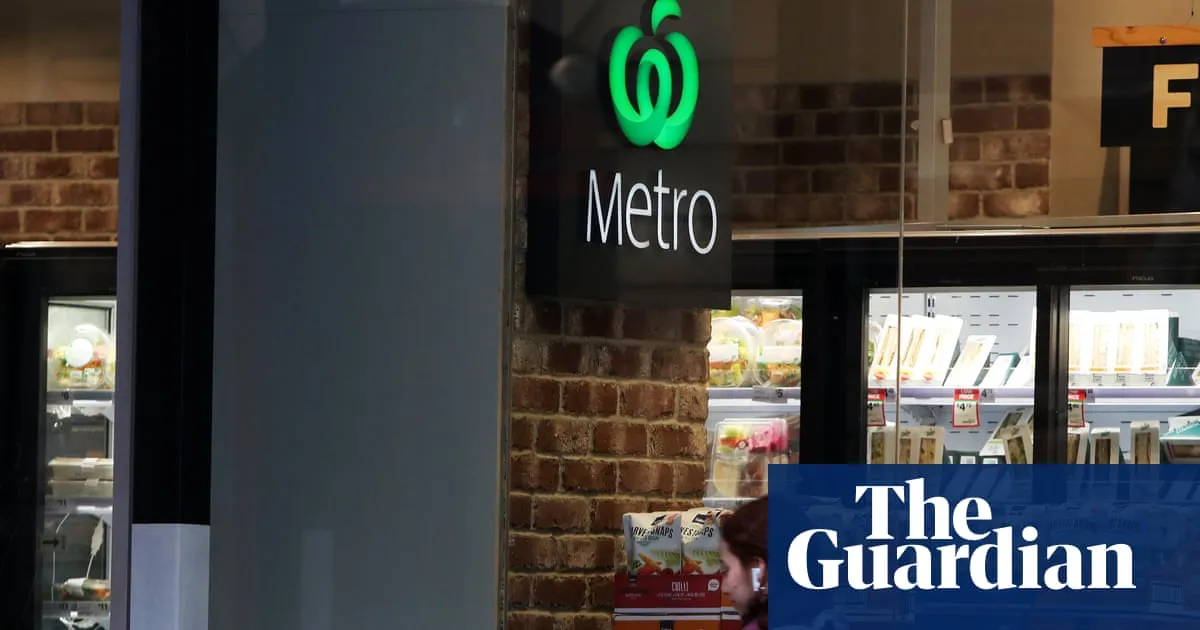
Woolworths and Coles have tested facial recognition technology that they are considering installing in stores. Photograph: Lisa Maree Williams/Getty Images View image in fullscreen Woolworths and Coles have tested facial recognition technology that they are considering installing in stores. Photograph: Lisa Maree Williams/Getty Images Alarm raised over ‘privacy dilemma’ of facial recognition technology at Coles and Woolworths Supermarkets say they are exploring ways to keep people safe, but experts claim the tech is ‘normalising surveillance’ Get our breaking news email, free app or daily news podcast Consumer privacy advocates have responded with alarm after Coles and Woolworths confirmed they were testing facial recognition technology that they could use in their Australian supermarkets to record shoppers’ personal biometric data. The supermarket giants on Monday confirmed they had tested the technology and said they were considering installing it in their Australian stores to crack down on retail crime including aggression towards staff. Woolworths and Coles said they had not made a final decision on whether to proceed with the rollout, and neither supermarket chain would disclose which company had provided them with the software they had tested. Dr Jason Pallant, a marketing expert at RMIT University, said the trials posed a “security versus privacy dilemma”. “We all agree that security and safety for retail staff is important, but … that means every person who enters a supermarket is accepting their face being scanned,” he said. “The solution is actually really being transparent and educating consumers about how it works.” The supermarkets’ exploration of facial recognition software follows a decision by the Administrative Review Tribunal in February to greenlight Bunnings’ use of the technology on its customers. After an appeal by Bunnings, the tribunal reversed a 2024 ruling by the privacy commissioner that had found the hardware giant breached the privacy of store visitors by scanning and checking their faces. The tribunal agreed, however, that Bunnings had not properly notified customers that their faces were being scanned. facial recognition technology captures images of people’s faces from video cameras – such as CCTV footage – as a unique faceprint that is then stored and can be compared with other faceprints. Retailers may compare the faceprints against a watch list of known aggressive or banned people in an attempt to reduce violence in their stores. In addition to concerns about surveillance and the storage of personal information, facial recognition is controversial because there has been evidence of misuse and that people of colour are more likely to be incorrectly identified than white people. Tom Sulston, the head of policy at Digital Rights Watch, said facial recognition was “wildly inaccurate”. Sulston said he was also concerned shoppers at Woolworths and Coles wouldn’t be able to control the way their biometric data was used. “It grossly disproportionate for retailers, especially food retailers, to be using that technology,” he said. “Supermarkets are pretty safe places where ordinary people need to go in order to feed themselves and we shouldn’t have to pay with our privacy to do that.” A spokesperson for Coles said it had “not done a trial using this technology” and instead had undertaken a “small, one-off, controlled proof-of-concept test”, which did not use customer or team member information or data. “We will always explore technology that will help us keep our team and customers safe.” A spokesperson for Woolworths, which tested the technology at its offices in New Zealand, said it would “continue to trial a range of initiatives to ensure the safety of our team and customers”. “While our current safety initiatives are making a difference, we are still seeing a concerning number of incidents of aggression and conflict in our stores on a daily basis, including weapons being presented,” Woolworths said. Dr Luke Munn, a research fellow at the University of Queensland’s Centre for Digital Cultures and Societies, said he was concerned the technology could be used beyond its initial stated purpose. “Aggression towards staff is not OK, but I also see that as a way to shoehorn this technology into a lot of [retail] infrastructure at the core of everyday life for Australians, which is normalising surveillance,” he said. If Woolworths and Coles use facial recognition technology in their stores, this would follow the recent installation of anti-theft gates and self-service checkouts, which were a technological replacement for human staff. Munn said the major supermarkets had a history of “using technology to fix problems which creates more problems”. “Theft would be mitigated if you were actually paying a worker for your groceries.” Explore more on these topics Supermarkets Facial recognition Coles Woolworths Retail industry news Share Reuse this content
SRCThe Guardian - World News
LANGEN
LEANCenter-Left
WORDS767
ENT9
MON · 2026-08-17 · 15:00 GMTBRIEF NSR-2026-0817-103111
NSR-2026-0817-103111News Report·EN·Human Rights
Alarm raised over ‘privacy dilemma’ of facial recognition technology at Coles and Woolworths
Coles and Woolworths have confirmed testing facial recognition technology as a potential measure to combat retail crime and aggression towards staff in their Australian supermarkets. Experts and privacy advocates have raised concerns about the technology's implications for consumer privacy, with some arguing it normalizes surveillance.
Catie McLeod Consumer affairs reporterThe Guardian - World NewsFiled 2026-08-17 · 15:00 GMTLean · Center-LeftRead · 4 min
The Guardian - World NewsFIG 01
Reading time
4min
Word count
767words
Sources cited
3cited
Entities identified
9entities
Quality score
100%
§ 01
Briefing Summary
AI-generatedNEWSAR · AI
Coles and Woolworths have confirmed testing facial recognition technology as a potential measure to combat retail crime and aggression towards staff in their Australian supermarkets. Experts and privacy advocates have raised concerns about the technology's implications for consumer privacy, with some arguing it normalizes surveillance. Both supermarket chains stated they have not made a final decision on a wider rollout, and the specific software providers remain undisclosed. This exploration follows a tribunal decision that allowed Bunnings to use similar technology, though it highlighted issues with customer notification. Critics worry about the accuracy of facial recognition, potential misuse, and the disproportionate nature of its application in everyday retail environments, suggesting alternative solutions like adequate staffing.
Confidence 0.90Sources 3Claims 5Entities 9
§ 02
Article analysis
Model · rule-basedFraming
Human Rights
Technology
Tone
Mixed Tone
AI-assessed
CalmNeutralAlarmist
Factuality
0.60 / 1.00
Mixed
LowHigh
Sources cited
3
Well sourced
FewMany
§ 03
Key claims
5 extracted01
The Administrative Review Tribunal greenlit Bunnings' use of facial recognition technology on its customers, reversing a prior privacy commissioner ruling.
factualAdministrative Review Tribunal
Confidence
1.00
02
Consumer privacy advocates have responded with alarm, citing concerns about surveillance and the potential misuse of biometric data.
factualConsumer privacy advocates
Confidence
1.00
03
The supermarkets state they are exploring ways to keep people safe and crack down on retail crime, including aggression towards staff.
factualWoolworths and Coles
Confidence
1.00
04
Coles and Woolworths have tested facial recognition technology and are considering installing it in Australian supermarkets.
factualColes and Woolworths
Confidence
1.00
05
Facial recognition technology is controversial due to evidence of misuse and higher rates of misidentification for people of colour.
factualArticle
Confidence
0.90
§ 04
Full report
4 min read · 767 words§ 05
Entities
9 identifiedKey playerOppositionContextPositiveNeutralNegative
People1
Organizations6
Locations1
§ 06
Keywords & salience
10 termsfacial recognition technology
1.00
privacy dilemma
0.90
coles
0.80
woolworths
0.80
consumer privacy
0.70
biometric data
0.60
surveillance
0.50
retail crime
0.50
bunnings
0.40
administrative review tribunal
0.40
§ 07
Topic connections
Interactive graph Network visualization showing 9 related topics
View Full Graph Person Organization Location Event|Click node to navigate|Edge numbers = shared articles