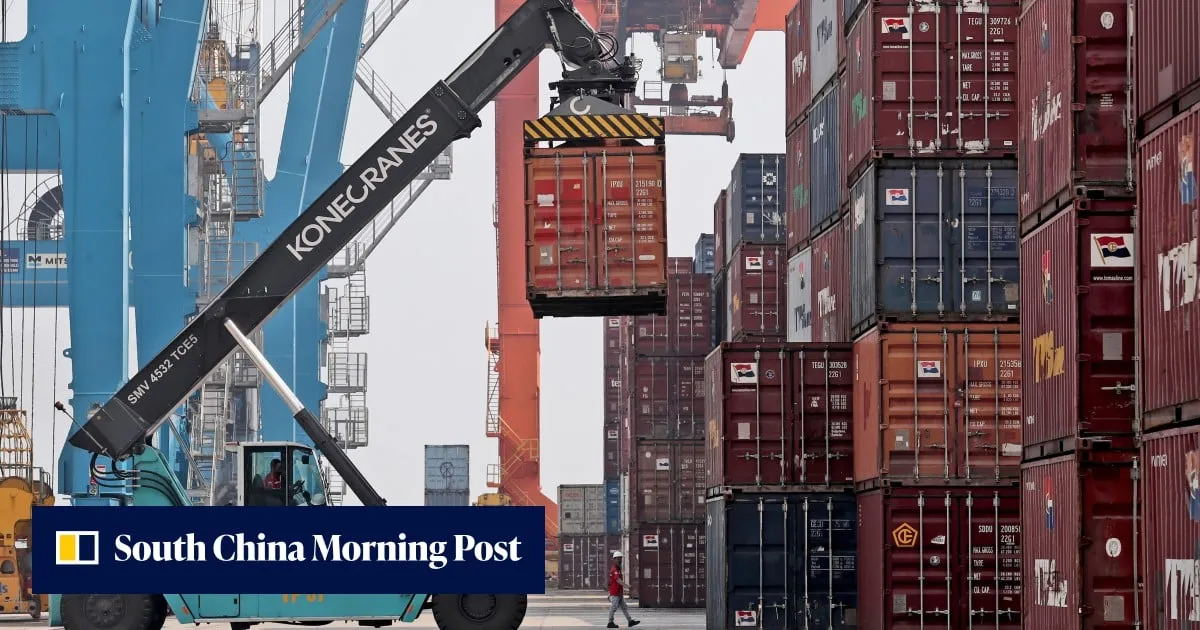
Southeast Asian exporters may soon face a heavier burden of proof to show they are not helping Chinese goods dodge US tariffs after the White House named nine countries in the region as part of what it called a global “Shadow Transshipment Network”.The warning came in a White House report titled “The Great Transshipment Scam”, which alleged that Chinese-origin goods were being routed through lower-tariff jurisdictions and re-entering the US market under new national identities.Analysts said the report could create fresh uncertainty for Southeast Asian economies that had benefited from “China-plus-one" class="entity-link entity-topic" data-entity-id="187638" data-entity-type="topic">China plus one” manufacturing, in which companies shift parts of their supply chains from China to countries such as Vietnam, Malaysia, Thailand and Indonesia.
SRCSouth China Morning Post
LANGEN
LEANCenter-Right
WORDS114
ENT11
TUE · 2026-08-18 · 05:13 GMTBRIEF NSR-2026-0818-103296
NSR-2026-0818-103296News Report·EN·Economic Impact
US transshipment ‘scam’ claims put Asean exporters in a bind
A White House report, "The Great Transshipment Scam," has identified nine Southeast Asian countries as part of a global network allegedly used to reroute Chinese goods to evade US tariffs. The report claims Chinese-origin products are being sent through regions with lower tariffs and then re-exported to the US under different national identities.
Sam BeltranSouth China Morning PostFiled 2026-08-18 · 05:13 GMTLean · Center-RightRead · 1 min
South China Morning PostFIG 01
Reading time
1min
Word count
114words
Sources cited
1cited
Entities identified
11entities
Quality score
100%
§ 01
Briefing Summary
AI-generatedNEWSAR · AI
A White House report, "The Great Transshipment Scam," has identified nine Southeast Asian countries as part of a global network allegedly used to reroute Chinese goods to evade US tariffs. The report claims Chinese-origin products are being sent through regions with lower tariffs and then re-exported to the US under different national identities. This development could place a greater burden of proof on Southeast Asian exporters to demonstrate their compliance. Analysts suggest this situation may introduce new uncertainties for these economies, which have recently benefited from supply chain diversification away from China.
Confidence 0.85Sources 1Claims 4Entities 11
§ 02
Article analysis
Model · rule-basedFraming
Economic Impact
Legal & Judicial
Tone
Mixed Tone
AI-assessed
CalmNeutralAlarmist
Factuality
0.70 / 1.00
Factual
LowHigh
Sources cited
1
Limited
FewMany
§ 03
Key claims
4 extracted01
Chinese-origin goods are allegedly being routed through lower-tariff jurisdictions to re-enter the US market under new national identities.
factualWhite House report ('The Great Transshipment Scam')
Confidence
1.00
02
The White House named nine countries in Southeast Asia as part of a global 'Shadow Transshipment Network'.
factualWhite House
Confidence
1.00
03
Southeast Asian exporters may face a heavier burden of proof to show they are not aiding Chinese goods in evading US tariffs.
factual
Confidence
0.90
04
The White House report could create fresh uncertainty for Southeast Asian economies that have benefited from 'China plus one' manufacturing.
predictionAnalysts
Confidence
0.80
§ 04
Full report
1 min read · 114 words§ 05
Entities
11 identifiedKey playerOppositionContextPositiveNeutralNegative
Locations7
§ 06
Keywords & salience
8 termstransshipment scam
1.00
us tariffs
0.90
shadow transshipment network
0.80
asean exporters
0.70
chinese goods
0.60
china plus one
0.50
supply chains
0.40
southeast asian economies
0.40
§ 07
Topic connections
Interactive graph Network visualization showing 51 related topics
View Full Graph Person Organization Location Event|Click node to navigate|Edge numbers = shared articles