Ross Harrison, a senior fellow at the Middle East Institute, says Trump’s use of military terminology like “D-Day” to describe economic pressure on Iran is unlikely to force Tehran to capitulate.Harrison told Al Jazeera that Iranians have already been living in an economic “D-Day” since maximum pressure sanctions were reimposed after the US withdrew from the 2015 nuclear deal.“I think the D-Day is language Trump is using because the military campaign failed to create the kind of conditions on the ground that would get the Iranians to capitulate,” Harrison said.“I think he’s using that language in order to transfer military language to economic language, but in terms of actually creating the kind of outcome that he plans or hopes for, I’m quite sceptical,” he argued.Harrison added that China remains the most significant source of support for Tehran, but targeting that connection carries major risks for Washington.“I think the biggest lifeline that could be given to Iran would come from China,” he said. “And the question is not really the policing; the question is whether the United States is willing to pay the price of derailing US-Sino relations now, when China also has levers of power that they could inflict upon the United States and because there’s a looming summit between President Xi and Donald Trump in Washington next month.”“So, it’s not a matter of policing; I think it’s a matter of whether the US is willing to go to the mat and pay the price of disrupting a relationship that Donald Trump seems to be leaning on right now,” he said.
SRCAl Jazeera
LANGEN
LEANCenter
WORDS261
ENT10
SAT · 2026-08-22 · 00:00 GMTBRIEF NSR-2026-0822-104716
NSR-2026-0822-104716Analysis·EN·Political Strategy
Iran war live: Trump says he views Strait of Hormuz as ‘American territory’
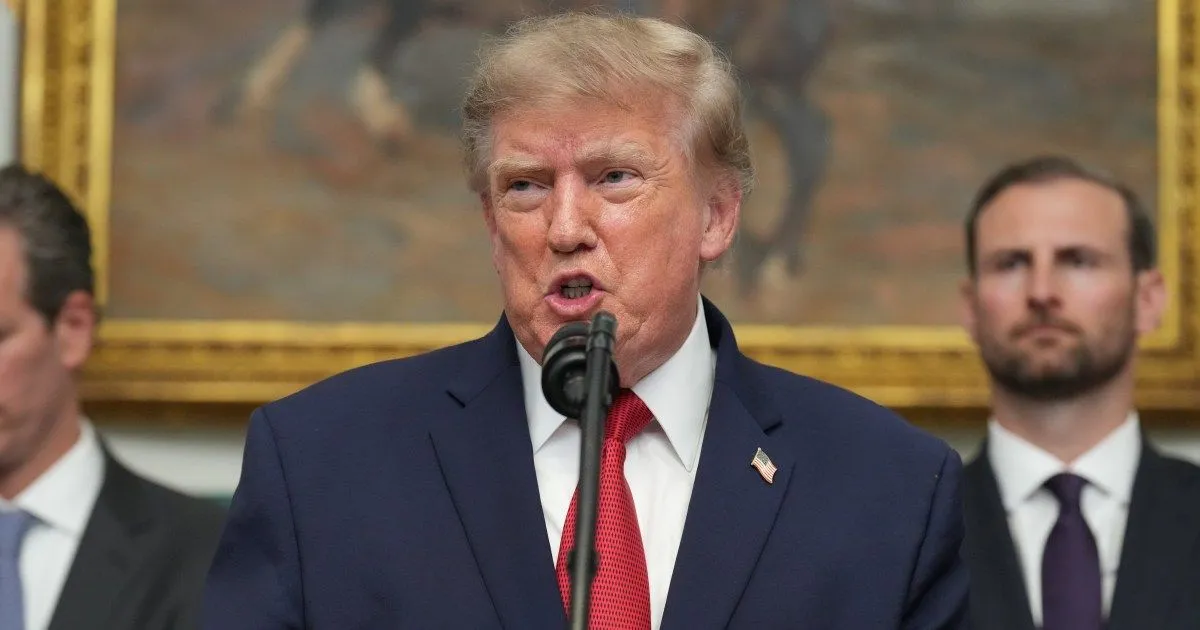
US President Donald Trump stated that Iran "would love to make a deal, but they’re not ready to make the right deal." A senior fellow at the Middle East Institute, Ross Harrison, commented that Trump's use of military terms like "D-Day" for economic pressure on Iran is unlikely to force capitulation, as Iranians are already experiencing severe economic hardship due to reimposed sanctions. Harrison suggested Trump is shifting military language to economic pressure, but he is skeptical of its effectiveness.
Zaid Sabah,Zsombor PeterAl JazeeraFiled 2026-08-22 · 00:00 GMTLean · CenterRead · 2 min
Al JazeeraFIG 01
Reading time
2min
Word count
261words
Sources cited
1cited
Entities identified
10entities
Quality score
100%
§ 01
Briefing Summary
AI-generatedNEWSAR · AI
US President Donald Trump stated that Iran "would love to make a deal, but they’re not ready to make the right deal." A senior fellow at the Middle East Institute, Ross Harrison, commented that Trump's use of military terms like "D-Day" for economic pressure on Iran is unlikely to force capitulation, as Iranians are already experiencing severe economic hardship due to reimposed sanctions. Harrison suggested Trump is shifting military language to economic pressure, but he is skeptical of its effectiveness. He also noted that China is Iran's most significant source of support, but targeting this connection carries substantial risks for the US, particularly with an upcoming summit between President Xi and President Trump. The decision to disrupt US-China relations hinges on whether the US is willing to bear the consequences.
Confidence 0.90Sources 1Claims 5Entities 10
§ 02
Article analysis
Model · rule-basedFraming
Political Strategy
Conflict
Tone
Measured
AI-assessed
CalmNeutralAlarmist
Factuality
0.30 / 1.00
Opinion-Heavy
LowHigh
Sources cited
1
Limited
FewMany
§ 03
Key claims
5 extracted01
Trump's use of military terminology like 'D-Day' to describe economic pressure on Iran is unlikely to force Tehran to capitulate.
quoteRoss Harrison
Confidence
0.90
02
Targeting China's connection to Iran carries major risks for Washington.
quoteRoss Harrison
Confidence
0.85
03
China remains the most significant source of support for Tehran.
quoteRoss Harrison
Confidence
0.85
04
Iranians have already been living in an economic 'D-Day' since maximum pressure sanctions were reimposed.
quoteRoss Harrison
Confidence
0.80
05
A looming summit between President Xi and Donald Trump in Washington next month influences the US willingness to disrupt US-Sino relations.
quoteRoss Harrison
Confidence
0.70
§ 04
Full report
2 min read · 261 words§ 05
Entities
10 identifiedKey playerOppositionContextPositiveNeutralNegative
People3
Locations4
§ 06
Keywords & salience
10 termsstrait of hormuz
0.90
economic pressure
0.80
us-sino relations
0.70
nuclear deal
0.70
sanctions
0.60
iran
0.50
china
0.50
military campaign
0.50
summit
0.40
donald trump
0.40
§ 07
Topic connections
Interactive graph Network visualization showing 51 related topics
View Full Graph Person Organization Location Event|Click node to navigate|Edge numbers = shared articles