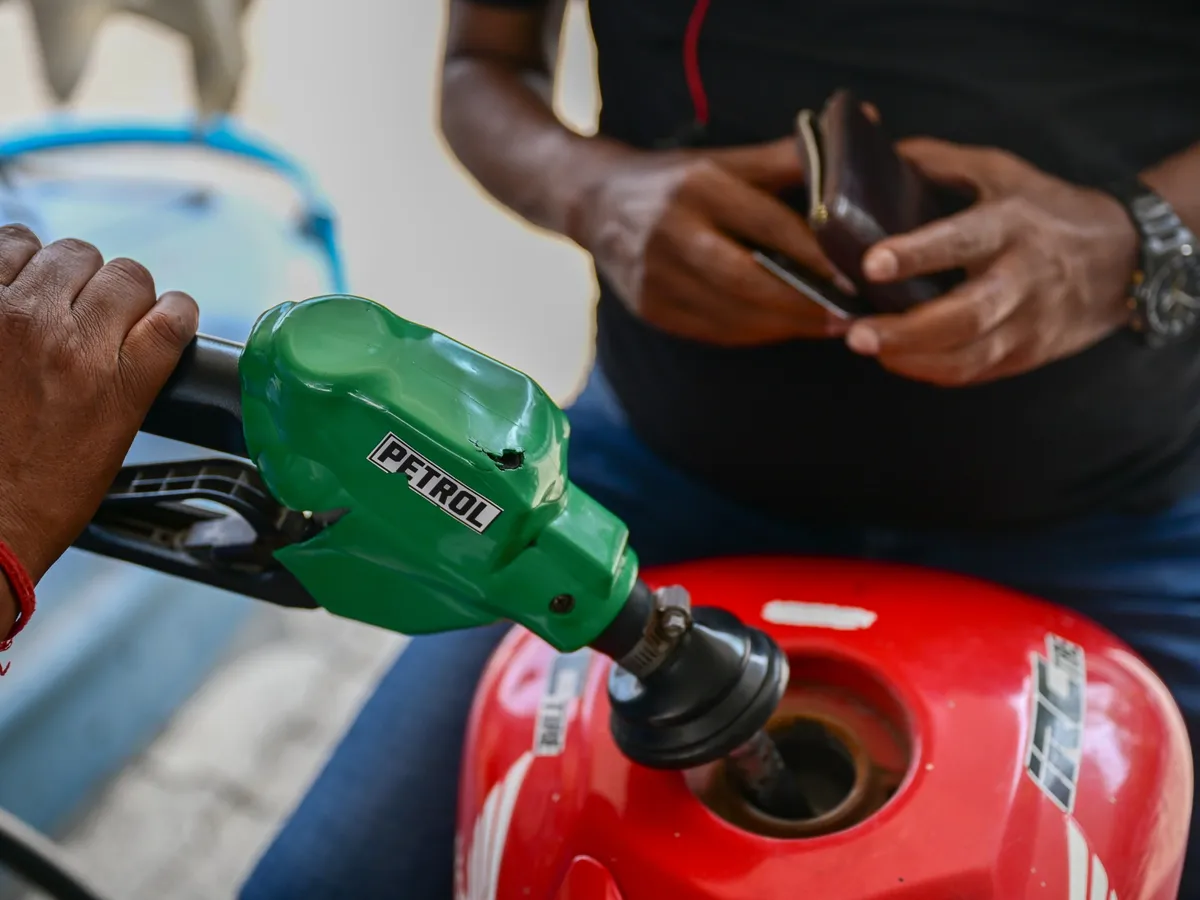
EXPLAINERAt least 145 countries have reported increases in petrol prices since the attacks on Iran by the US and Israel began on February 28.Since the United States and Israel launched their Iran" class="entity-link entity-event" data-entity-id="169305" data-entity-type="event">war on Iran six months ago, petrol prices have risen in at least 145 countries, adding to the burden on consumers worldwide.The figures are based on data from GlobalPetrolPrices, which tracks fuel prices in 170 countries and territories. petrol prices in Myanmar rose the most, increasing by 56 percent from $0.77 per litre [0.26 gallon] of 95-octane fuel on February 23 to $1.20 on August 17. Bhutan recorded the next-largest increase at 55 percent, followed by Cuba at 51 percent, the UAE at 50 percent and 48 percent in Nigeria .In 25 other countries, most of them oil producers with heavily subsidised fuel, prices have either remained unchanged or fallen by single digits.The table below lists the 145 countries where petrol prices at the pump increased over the past six months.How higher fuel costs shrink your driving rangeBefore the war, the US national average for a gallon [3.78 litres] of regular petrol was $2.94. It now costs $4.09, an increase of 39 percent, according to AAA Fuel Prices, which tracks retail fuel prices for the American Automobile Association (AAA).The extra cost directly affects how far people can travel. Before the war, $50 worth of fuel in the US could take a family sedan roughly 718 km (446 miles). Today, the same amount takes you about 536 km (333 miles) – 183 km less, a 25 percent reduction in driving distance.That gap varies depending on where you live.Set your country, car and budget below to see how far your money takes you. If you’re filling up in the US, you can also select a state and fuel grade.
SRCAl Jazeera
LANGEN
LEANCenter
WORDS298
ENT12
MON · 2026-08-24 · 07:26 GMTBRIEF NSR-2026-0824-105269
NSR-2026-0824-105269News Report·EN·Economic Impact
How much more are you spending on petrol since the war in Iran began?
Since the US and Israel began their war on Iran on February 28, petrol prices have increased in at least 145 countries. This global rise in fuel costs, tracked by GlobalPetrolPrices, is impacting consumers worldwide.
Mohammed HaddadAl JazeeraFiled 2026-08-24 · 07:26 GMTLean · CenterRead · 2 min
Al JazeeraFIG 01
Reading time
2min
Word count
298words
Sources cited
2cited
Entities identified
12entities
Quality score
100%
§ 01
Briefing Summary
AI-generatedNEWSAR · AI
Since the US and Israel began their war on Iran on February 28, petrol prices have increased in at least 145 countries. This global rise in fuel costs, tracked by GlobalPetrolPrices, is impacting consumers worldwide. Myanmar experienced the largest increase at 56 percent, followed by Bhutan (55 percent) and Cuba (51 percent). In the US, the national average price for regular petrol rose by 39 percent, reducing the driving range for $50 of fuel by 25 percent. Conversely, 25 countries, many with subsidized fuel, saw prices remain unchanged or fall slightly.
Confidence 0.90Sources 2Claims 4Entities 12
§ 02
Article analysis
Model · rule-basedFraming
Economic Impact
Conflict
Tone
Measured
AI-assessed
CalmNeutralAlarmist
Factuality
0.80 / 1.00
Factual
LowHigh
Sources cited
2
Limited
FewMany
§ 03
Key claims
4 extracted01
Before the war, the US national average for a gallon of regular petrol was $2.94. It now costs $4.09, an increase of 39 percent.
statisticAAA Fuel Prices
Confidence
0.95
02
Petrol prices in Myanmar rose the most, increasing by 56 percent from $0.77 per litre on February 23 to $1.20 on August 17.
statisticGlobalPetrolPrices
Confidence
0.95
03
Before the war, $50 worth of fuel in the US could take a family sedan roughly 718 km. Today, the same amount takes you about 536 km – 183 km less, a 25 percent reduction in driving distance.
statistic
Confidence
0.90
04
At least 145 countries have reported increases in petrol prices since the attacks on Iran by the US and Israel began on February 28.
statistic
Confidence
0.90
§ 04
Full report
2 min read · 298 words§ 05
Entities
12 identifiedKey playerOppositionContextPositiveNeutralNegative
Locations8
§ 06
Keywords & salience
8 termspetrol prices
1.00
war in iran
0.90
fuel costs
0.80
consumers worldwide
0.70
driving range
0.60
us and israel
0.50
globalpetrolprices
0.40
oil producers
0.40
§ 07
Topic connections
Interactive graph Network visualization showing 51 related topics
View Full Graph Person Organization Location Event|Click node to navigate|Edge numbers = shared articles