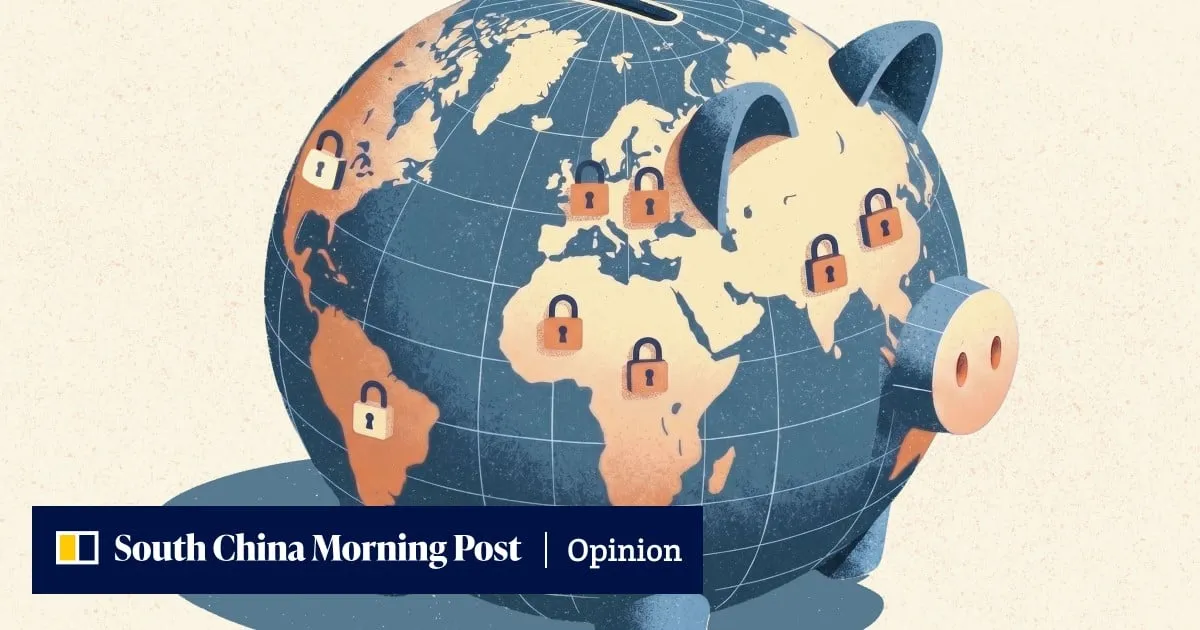
Forty years ago, the Stockholm Document turned the political promise of the 1975 Helsinki Final Act into a more practical system of confidence-building. Amid the Cold War, Europe’s East and West did not disarm, abandon deterrence or begin to trust one another. Instead, they agreed that military competition could be made safer through prior notification, observation, information exchange and verification. The lesson was modest but durable: adversaries do not need trust to reduce uncertainty.That logic is now needed beyond the military sphere. Today’s world is not divided into Cold War-style military blocs. Yet in trade, technology, Artificial Intelligence, critical minerals and supply chains, increasingly security-oriented economic networks are forming around the United States and China. Export controls, sanctions, investment screening, industrial policy and resource restrictions are turning interdependence into a potential source of vulnerability.For three decades, globalisation rewarded concentration. Firms sourced from the cheapest producer, countries specialised and supply chains were designed around “just in time”. That system lowered costs, but it also created chokepoints.
SRCSouth China Morning Post
LANGEN
LEANCenter-Right
WORDS165
ENT9
WED · 2026-08-26 · 12:30 GMTBRIEF NSR-2026-0826-106133
NSR-2026-0826-106133Analysis·EN·Diplomatic
The security-obsessed global economy needs its own Helsinki process
Forty years ago, the Stockholm Document established a practical system of confidence-building between East and West during the Cold War. This agreement allowed military competition to be made safer through measures like prior notification and information exchange, demonstrating that adversaries can reduce uncertainty without needing trust.
Hao NanSouth China Morning PostFiled 2026-08-26 · 12:30 GMTLean · Center-RightRead · 1 min
South China Morning PostFIG 01
Reading time
1min
Word count
165words
Sources cited
0cited
Entities identified
9entities
Quality score
100%
§ 01
Briefing Summary
AI-generatedNEWSAR · AI
Forty years ago, the Stockholm Document established a practical system of confidence-building between East and West during the Cold War. This agreement allowed military competition to be made safer through measures like prior notification and information exchange, demonstrating that adversaries can reduce uncertainty without needing trust. The article argues this logic is now applicable beyond the military sphere, to today's increasingly security-oriented economic networks forming around the US and China. In areas like trade, technology, and critical minerals, export controls and sanctions are creating vulnerabilities. The article suggests a new "Helsinki process" is needed for these economic domains, similar to the past military confidence-building efforts.
Confidence 0.90Claims 4Entities 9
§ 02
Article analysis
Model · rule-basedFraming
Diplomatic
Political Strategy
Tone
Measured
AI-assessed
CalmNeutralAlarmist
Factuality
0.60 / 1.00
Mixed
LowHigh
Sources cited
0
No named sources
FewMany
§ 03
Key claims
4 extracted01
Globalisation's focus on concentration and 'just in time' supply chains created vulnerabilities and chokepoints.
factual
Confidence
0.90
02
Adversaries do not need trust to reduce uncertainty, a lesson from the Cold War era.
factual
Confidence
0.90
03
The Stockholm Document turned the 1975 Helsinki Final Act's political promise into a practical system of confidence-building.
factual
Confidence
0.90
04
Economic networks are increasingly forming around the US and China, driven by security concerns.
factual
Confidence
0.80
§ 04
Full report
1 min read · 165 words§ 05
Entities
9 identifiedKey playerOppositionContextPositiveNeutralNegative
Events3
§ 06
Keywords & salience
10 termssecurity-obsessed global economy
1.00
helsinki process
0.90
confidence-building
0.80
reduce uncertainty
0.70
security-oriented economic networks
0.70
united states and china
0.60
supply chains
0.50
export controls
0.50
vulnerability
0.40
globalisation
0.40
§ 07
Topic connections
Interactive graph Network visualization showing 51 related topics
View Full Graph Person Organization Location Event|Click node to navigate|Edge numbers = shared articles