Australia’s annual refugee intake will fall by a third next financial year, as Labor works to drive down migration levels over increasing political pressure from One Nation.Currently set at 20,000 arrivals per year, the annual refugee quota will drop back to Coalition-era levels of 13,750 in 2027-28.The reduction – criticised by refugee advocates and the Greens – is part of efforts to bring net overseas migration down to 225,000 next financial year.But Labor sources said a reversion to the lower number had been confirmed publicly in the May budget and was forecast when the intake was lifted from 17,875 to 20,000 in 2023.The lower intake, first reported by the Financial Review, comes ahead of wider changes to Labor’s migration settings, which are the subject of an internal fight within the Albanese government.Tony Burke, the home affairs minister, delayed announcing the new policy earlier this month. Rules for backpackers will be tightened, including working holidaymaker settings for Britons coming to Australia.The changes will be part of Labor’s attempt to stem One Nation leader Pauline Hanson’s surge in support, driven in large part by the politics of immigration.Asked about the changes on Thursday, Anthony Albanese said Labor was responding to post-pandemic fluctuations.“We’re worried about trying to get numbers right,” the prime minister said at a regional summit in Dubbo.Albanese cast doubt on the figures, though they were published in the government’s own budget.“We’re responding to national needs,” he said.“There is a current spike in the support for One Nation, quite clearly, but we’ve responded. We started lowering the numbers well before that occurred because we recognise that we want to get that right to assist the Australian economy.”In 2015, Labor’s national conference committed the party to accepting 27,000 refugees a year by 2025, part of a heated debate over asylum seeker policy and boat turnbacks.At the latest national conference, held in Adelaide in July, delegates approved language, saying:“Labor will seek, in the short term, to maintain Australia’s government funded humanitarian intake numbers at 20,000 places per year while also continuing to aspire to achieving 27,000 places per year.”Jana Favero, the Asylum Seeker Resource Centre’s deputy chief executive, said the government was betraying people around the world who were relying on Australia.skip past newsletter promotionafter newsletter promotion“There are already Australian families desperately waiting to bring loved ones to safety from Iran, Sudan, Gaza and conflicts around the world,” she said.“What makes this even more disturbing is the politics behind it. The government appears increasingly willing to let One Nation dictate the terms of the migration debate, even when that means abandoning commitments made by its own party just weeks ago.”One Nation wants to restrict migration. A town in Barnaby Joyce’s electorate welcomes it – videoPaul Power, of the Refugee Council of Australia, said the cut went against pledges made by the government at home and abroad.“When the Albanese government increased the refugee and humanitarian program to 20,000 places in 2023, there was no hint that this was a short-term increase.“Until now, Australia has been the only OECD country with a significant refugee resettlement program not to cut places in the past two years. Such a cut would make little difference to Australia’s net overseas migration but be devastating for people seeking a path to safety.”The Greens’ immigration spokesperson David Shoebridge said punishing vulnerable people was a backward step for the country.“The difference between One Nation and Labor is that, when One Nation attacks refugees, they don’t then pat themselves on the back for how much they support multiculturalism,” he said.“Caring about people fleeing some of the worst conditions on earth is something most Australians want, instead we get this toxic politics that makes our country meaner and weaker.”
SRCThe Guardian - World News
LANGEN
LEANCenter-Left
WORDS615
ENT12
THU · 2026-08-27 · 01:15 GMTBRIEF NSR-2026-0827-106302
NSR-2026-0827-106302News Report·EN·Political Strategy
Australia’s refugee intake to be slashed as Labor works to reduce migration amid One Nation pressure
Australia's annual refugee intake will be reduced by one-third, falling from 20,000 to 13,750 places by the 2027-28 financial year. This decision by the Labor government is part of broader efforts to lower net overseas migration, influenced by increasing political pressure from One Nation.
Tom McIlroy Political editorThe Guardian - World NewsFiled 2026-08-27 · 01:15 GMTLean · Center-LeftRead · 3 min
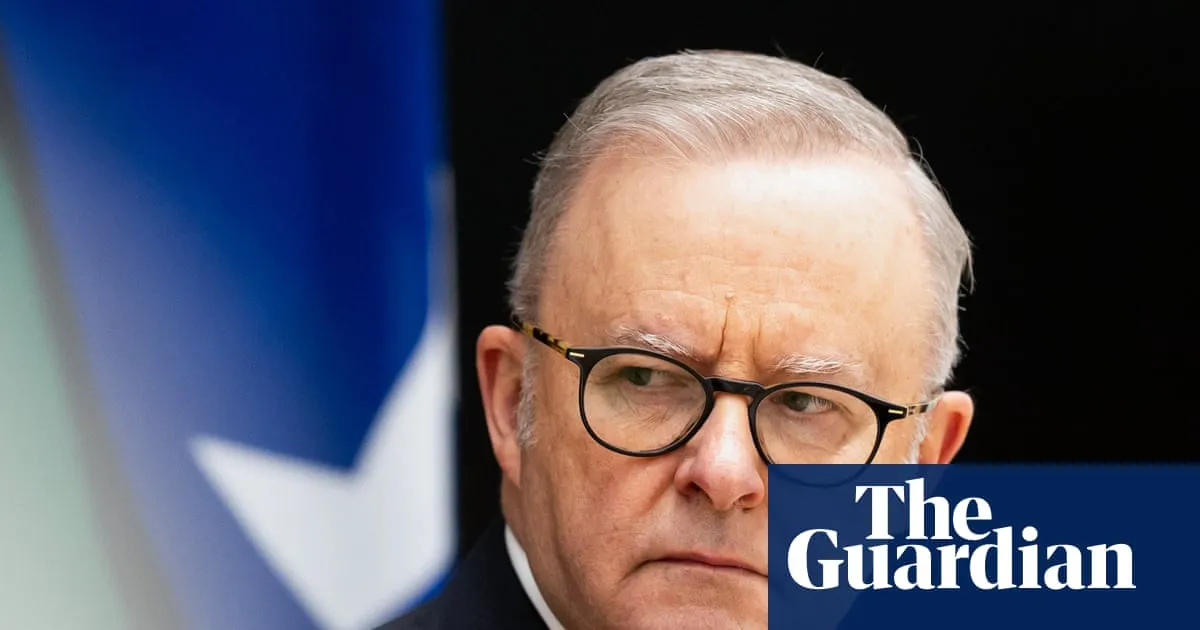
The Guardian - World NewsFIG 01
Reading time
3min
Word count
615words
Sources cited
4cited
Entities identified
12entities
Quality score
100%
§ 01
Briefing Summary
AI-generatedNEWSAR · AI
Australia's annual refugee intake will be reduced by one-third, falling from 20,000 to 13,750 places by the 2027-28 financial year. This decision by the Labor government is part of broader efforts to lower net overseas migration, influenced by increasing political pressure from One Nation. The reduction, which aligns with previous Coalition-era levels, has drawn criticism from refugee advocates and the Greens, who argue it betrays international commitments and makes Australia "meaner and weaker." Prime Minister Anthony Albanese stated the government is responding to post-pandemic fluctuations and national needs, asserting that numbers began to be lowered before the recent surge in One Nation's support. Changes to backpacker rules are also anticipated as part of these migration policy adjustments.
Confidence 0.90Sources 4Claims 5Entities 12
§ 02
Article analysis
Model · rule-basedFraming
Political Strategy
Human Rights
Tone
Mixed Tone
AI-assessed
CalmNeutralAlarmist
Factuality
0.70 / 1.00
Factual
LowHigh
Sources cited
4
Well sourced
FewMany
§ 03
Key claims
5 extracted01
The government appears increasingly willing to let One Nation dictate the terms of the migration debate.
quoteJana Favero
Confidence
1.00
02
Labor's 2015 national conference committed the party to accepting 27,000 refugees a year by 2025.
factual
Confidence
1.00
03
Australia's annual refugee intake will fall by a third to 13,750 in 2027-28.
statistic
Confidence
1.00
04
The reduction is part of efforts to bring net overseas migration down to 225,000 next financial year.
factual
Confidence
0.90
05
Labor is responding to post-pandemic fluctuations and national needs to get numbers right.
quoteAnthony Albanese
Confidence
0.80
§ 04
Full report
3 min read · 615 words§ 05
Entities
12 identifiedKey playerOppositionContextPositiveNeutralNegative
People3
Organizations6
Locations1
§ 06
Keywords & salience
8 termsrefugee intake
1.00
migration levels
0.90
political pressure
0.80
one nation
0.70
net overseas migration
0.60
humanitarian intake
0.50
albanese government
0.40
asylum seeker policy
0.40
§ 07
Topic connections
Interactive graph Network visualization showing 51 related topics
View Full Graph Person Organization Location Event|Click node to navigate|Edge numbers = shared articles