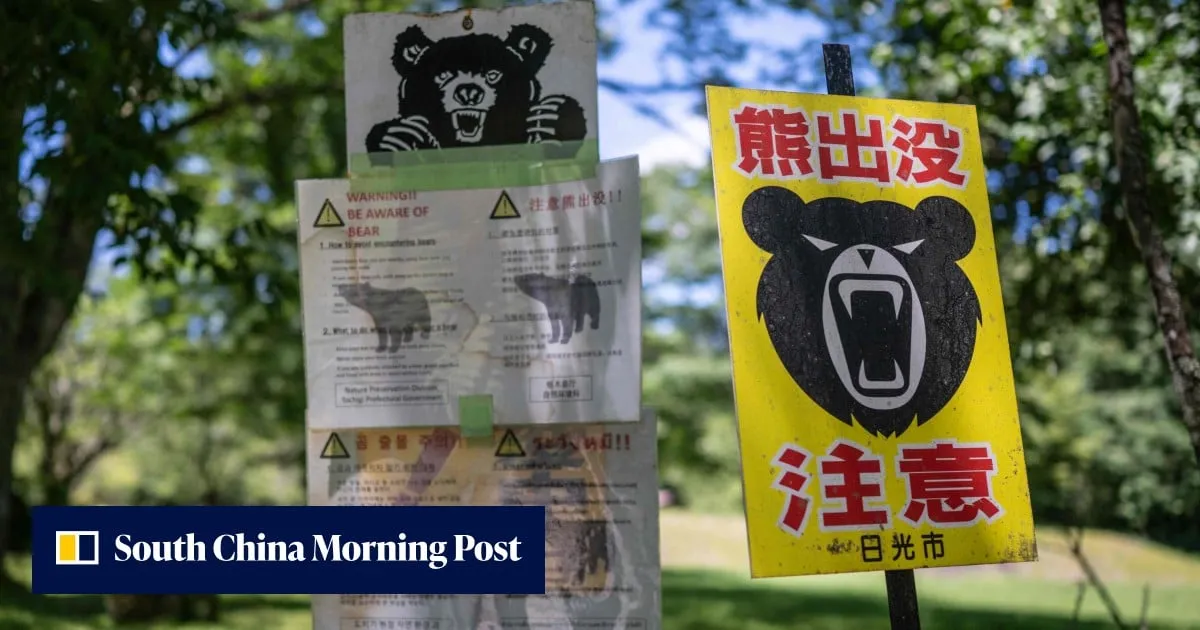
Billions of yen from a higher departure tax that Japan plans to use to support tourism are being channelled into projects that critics say offer limited direct benefit to travellers, including measures to prevent bear attacks and eradicate an invasive beetle.The Japanese government expects to raise 130 billion yen (US$817.7 million) in the 2026 financial year from the International Tourist Tax, after increasing the levy last year on anyone leaving the country through an airport or seaport.The cost of leaving Japan for foreign tourists and Japanese travellers alike rose from 1,000 yen to 3,000 yen per person on July 1.
SRCSouth China Morning Post
LANGEN
LEANCenter-Right
WORDS100
ENT6
THU · 2026-08-27 · 02:00 GMTBRIEF NSR-2026-0827-106325
NSR-2026-0827-106325News Report·EN·Economic Impact
Bears and pest control: how Japan is spending its departure tax windfall
Japan is allocating billions of yen raised from an increased departure tax, intended for tourism support, to projects like bear attack prevention and invasive beetle eradication. The International Tourist Tax, raised from 1,000 to 3,000 yen per person on July 1, is projected to generate 130 billion yen (US$817.7 million) in the 2026 financial year.
Julian RyallSouth China Morning PostFiled 2026-08-27 · 02:00 GMTLean · Center-RightRead · 1 min
South China Morning PostFIG 01
Reading time
1min
Word count
100words
Sources cited
1cited
Entities identified
6entities
Quality score
100%
§ 01
Briefing Summary
AI-generatedNEWSAR · AI
Japan is allocating billions of yen raised from an increased departure tax, intended for tourism support, to projects like bear attack prevention and invasive beetle eradication. The International Tourist Tax, raised from 1,000 to 3,000 yen per person on July 1, is projected to generate 130 billion yen (US$817.7 million) in the 2026 financial year. Critics argue these initiatives offer limited direct benefits to travelers. The tax applies to anyone departing Japan via airport or seaport.
Confidence 0.85Sources 1Claims 4Entities 6
§ 02
Article analysis
Model · rule-basedFraming
Economic Impact
Environmental
Tone
Measured
AI-assessed
CalmNeutralAlarmist
Factuality
0.80 / 1.00
Factual
LowHigh
Sources cited
1
Limited
FewMany
§ 03
Key claims
4 extracted01
The cost of leaving Japan via airport or seaport increased from 1,000 yen to 3,000 yen per person on July 1.
statisticarticle
Confidence
1.00
02
Japan expects to raise 130 billion yen (US$817.7 million) in the 2026 financial year from the International Tourist Tax.
statisticJapanese government
Confidence
0.95
03
Japan plans to use billions of yen from its departure tax to support tourism.
factualarticle
Confidence
0.90
04
Critics argue that some of the funded projects, like bear attack prevention and invasive beetle eradication, offer limited direct benefit to travelers.
quotecritics
Confidence
0.80
§ 04
Full report
1 min read · 100 words§ 05
Entities
6 identifiedKey playerOppositionContextPositiveNeutralNegative
Organizations1
Locations1
§ 06
Keywords & salience
8 termsdeparture tax
1.00
tourism support
0.90
bear attacks
0.80
invasive beetle
0.70
international tourist tax
0.60
japan
0.50
tax windfall
0.40
levy
0.40
§ 07
Topic connections
Interactive graph Network visualization showing 51 related topics
View Full Graph Person Organization Location Event|Click node to navigate|Edge numbers = shared articles