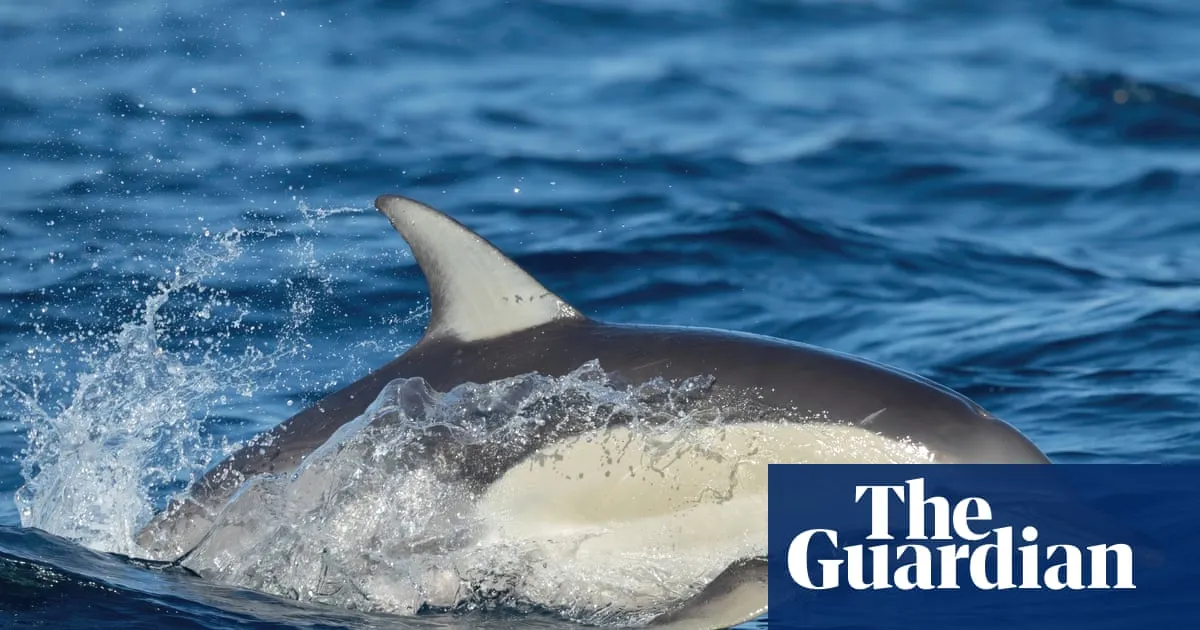
Pictured: A common dolphin. A dead dolphin in South Australia has tested positive for H5N1, marking the second native mammal species known to have contracted the virus. Photograph: Dave Irving/Getty Images View image in fullscreen Pictured: A common dolphin. A dead dolphin in South Australia has tested positive for H5N1, marking the second native mammal species known to have contracted the virus. Photograph: Dave Irving/Getty Images Dolphin dies from H5 bird flu in SA as researchers withdrawn from sub-Antarctic island over ‘psychosocial risk’ Australian government announces 24 expeditioners based at research station on Macquarie Island will be evacuated over possible ‘prolonged psychological stress’ Get our breaking news email, free app or daily news podcast A dolphin has died from H5 bird flu in South Australia, marking the second native mammal species known to have contracted the virus. It comes as the federal government announced it would withdraw researchers from the sub-Antarctic Macquarie Island research station due to the “psychosocial risk” of witnessing potential mass seal deaths from H5N1 during the upcoming seal breeding season. The common dolphin was found recently deceased near Goolwa on South Australia’s Fleurieu Peninsula. State tests confirmed the animal was positive for H5N1, with samples sent to the Australian Centre for Disease Preparedness for further analysis. It follows two earlier detections in long-nosed fur seals in SA at Beachport and The Pages Islands and a case in a red fox – a feral pest species – near Port Adelaide. The federal government’s risk assessment rated common dolphins at high risk from bird flu, meaning they potentially face severe population declines where the virus takes hold. “While the detection in the common dolphin is a new development in Australia, there is evidence of dolphins and porpoises catching H5 bird flu overseas,” a spokesperson for SA’s Department of Primary Industries and Regions said. “Dolphins would not commonly eat birds but it is not unusual for them to sometimes interact.” The federal government said on Friday it would withdraw 24 expeditioners based at the research station on Macquarie Island in the Southern Ocean about 1,500km south-east of Tasmania. While bird flu had not yet been detected on the island, it was home to large elephant seal populations close to station buildings. Expert assessments had predicted “a high likelihood of a significant mortality event during the upcoming breeding season”. “While the risk to humans remains low, a significant mortality event during the upcoming seal breeding season could expose expeditioners to prolonged psychological stress and other workplace impacts,” the department said. The department’s deputy secretary, Sean Sullivan, said: “This is an unusual measure, but is the most appropriate course of action, based on our assessments of risk, and operational realities. “Our first priority is the health and safety of our expeditioners. While the risk to humans of H5 bird flu is considered low, we can’t ignore the psychosocial risks of living near potentially large numbers of affected animals.” Sullivan said the researchers lived and worked in one of the world’s most remote and challenging environments. “We’ve seen what this disease can do, based on our experience at Heard Island and McDonald Islands.” Drone surveys detected more than 13,000 dead southern elephant seal pups on Australia’s Heard Island in 2025 and 2026. Sullivan said the decision had been made to minimise the risks to researchers and “across the whole Antarctic program” in advance of any mass mortality event. He said Macquarie Island was unique in that thousands of elephant seal pups were born close to the station every spring. “No other Australian Antarctic station is in this position, and there are no elephant seal colonies on mainland Australia,” he said. Sullivan said the government was exploring options for monitoring the situation on Macquarie Island, with a view to “returning expeditioners to the station in coming seasons”. The SA government said on Friday it would move to confirming H5 bird flu cases in the state through local laboratories. Until now, state-based test results have required verification by the CSIRO’s Australian Centre for Disease Preparedness in Geelong. The state government said improvements to its testing processes meant confirmation of H5N1 cases could now be done locally. The New South Wales government also announced its plans to vaccinate wild populations of little penguins at Manly and Barunguba Montague Island. The government also said “trial cohorts” of some captive bird populations, including little penguins, Carnaby’s black cockatoos and red-tailed black cockatoos, had received the first vaccinations at Taronga zoo this week. Explore more on these topics Bird flu South Australia Wildlife Marine life Dolphins news Share Reuse this content
SRCThe Guardian - World News
LANGEN
LEANCenter-Left
WORDS763
ENT12
FRI · 2026-08-28 · 05:40 GMTBRIEF NSR-2026-0828-106729
NSR-2026-0828-106729News Report·EN·Public Health
Dolphin dies from H5 bird flu in SA as researchers withdrawn from sub-Antarctic island over ‘psychosocial risk’
A common dolphin in South Australia has tested positive for H5N1 bird flu, marking the second native mammal species to contract the virus. This detection follows previous cases in seals and a red fox in the state.
Lisa CoxThe Guardian - World NewsFiled 2026-08-28 · 05:40 GMTLean · Center-LeftRead · 4 min
The Guardian - World NewsFIG 01
Reading time
4min
Word count
763words
Sources cited
3cited
Entities identified
12entities
Quality score
100%
§ 01
Briefing Summary
AI-generatedNEWSAR · AI
A common dolphin in South Australia has tested positive for H5N1 bird flu, marking the second native mammal species to contract the virus. This detection follows previous cases in seals and a red fox in the state. In response to the potential for mass seal deaths from H5N1 during the upcoming breeding season, the Australian government will evacuate 24 expeditioners from the Macquarie Island research station. This decision was made due to the predicted "psychosocial risk" of witnessing significant mortality events, despite the low risk of bird flu transmission to humans. The government is exploring options for monitoring the island and potentially returning researchers in future seasons.
Confidence 0.90Sources 3Claims 5Entities 12
§ 02
Article analysis
Model · rule-basedFraming
Public Health
Environmental
Tone
Measured
AI-assessed
CalmNeutralAlarmist
Factuality
0.80 / 1.00
Factual
LowHigh
Sources cited
3
Well sourced
FewMany
§ 03
Key claims
5 extracted01
H5N1 has previously been detected in long-nosed fur seals and a red fox in South Australia.
factual
Confidence
1.00
02
Researchers are being withdrawn from Macquarie Island research station due to psychosocial risk from potential mass seal deaths.
factualAustralian government
Confidence
1.00
03
A common dolphin in South Australia has tested positive for H5N1 bird flu.
factual
Confidence
1.00
04
Expert assessments predicted a high likelihood of a significant mortality event for elephant seals on Macquarie Island during the upcoming breeding season.
predictionExpert assessments
Confidence
0.90
05
Common dolphins are rated at high risk from bird flu, potentially facing severe population declines.
predictionfederal government
Confidence
0.90
§ 04
Full report
4 min read · 763 words§ 05
Entities
12 identifiedKey playerOppositionContextPositiveNeutralNegative
Organizations3
Locations8
Topics1
§ 06
Keywords & salience
9 termsh5n1 bird flu
1.00
common dolphin
0.90
macquarie island
0.80
south australia
0.70
psychosocial risk
0.60
mammal species
0.60
seal deaths
0.50
research station
0.40
animal health
0.40
§ 07
Topic connections
Interactive graph Network visualization showing 3 related topics
View Full Graph Person Organization Location Event|Click node to navigate|Edge numbers = shared articles