
H5N1
Topic HealthH5N1 bird flu spreads globally, impacting wildlife in Australia and Antarctica.
Total Coverage:2 articles
Last 7 Days:0
Topic Overview
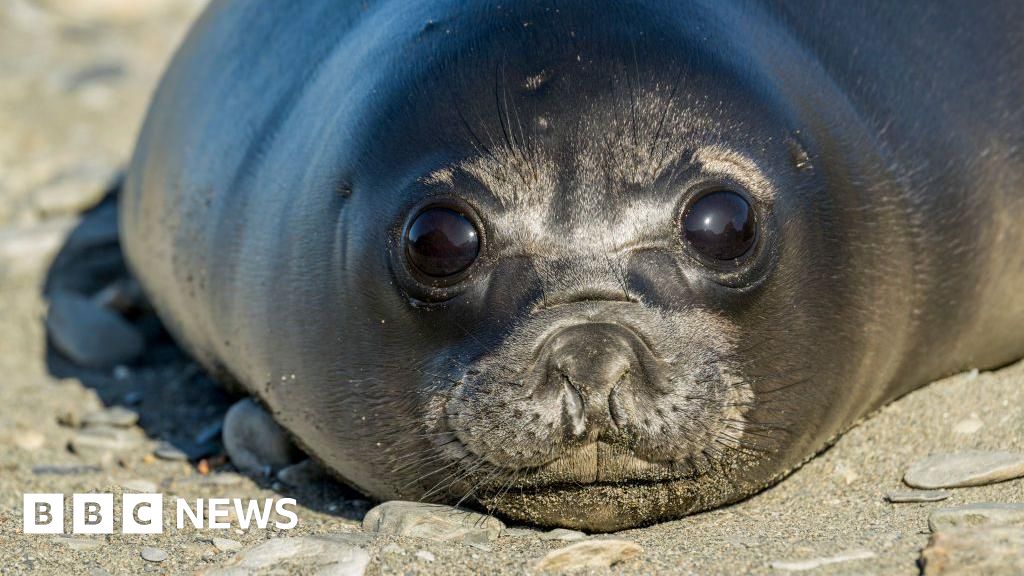
H5N1, commonly known as bird flu, is a highly pathogenic avian influenza virus that has recently seen a significant global spread. Recent news highlights its presence in Australia, with a migratory brown skua in Western Australia testing positive, marking the virus's arrival on every continent. This development has prompted Australia's Prime Minister to pledge action to curb its spread. Furthermore, studies reveal the devastating impact of H5N1 on wildlife in Australian Antarctic territories, where it has caused the deaths of over 75% of southern elephant seal pups on Heard and McDonald Islands. This alarming mortality rate among vulnerable young seals underscores the virus's severe ecological consequences. The continued spread and impact on diverse animal populations, from seabirds to seals, make H5N1 a pressing concern for wildlife conservation and potentially for public health.
Last updated: August 17, 2026
Coverage Timeline
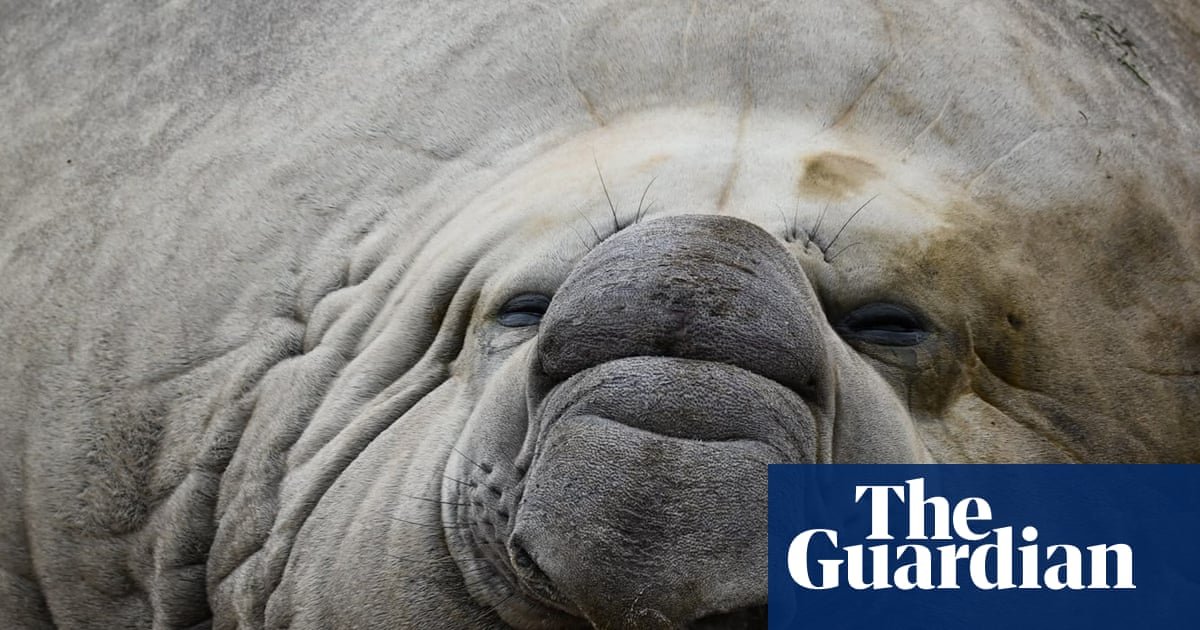
Fears for ‘gregarious’ local celebrity Sammy the elephant seal in Victorian bird flu hotspot
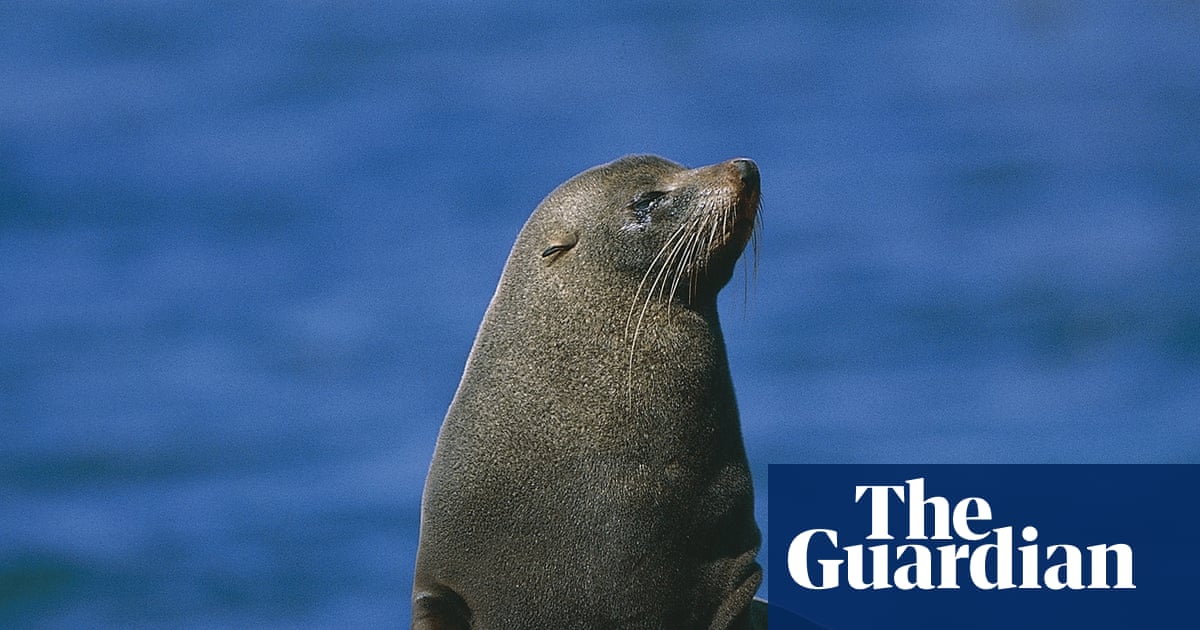
Australia has just 12,000 sea lions left – and ‘carnage’ may await them as bird flu takes hold, scientists warn

Australia warns H5N1 likely to spread after first mass mortality episode
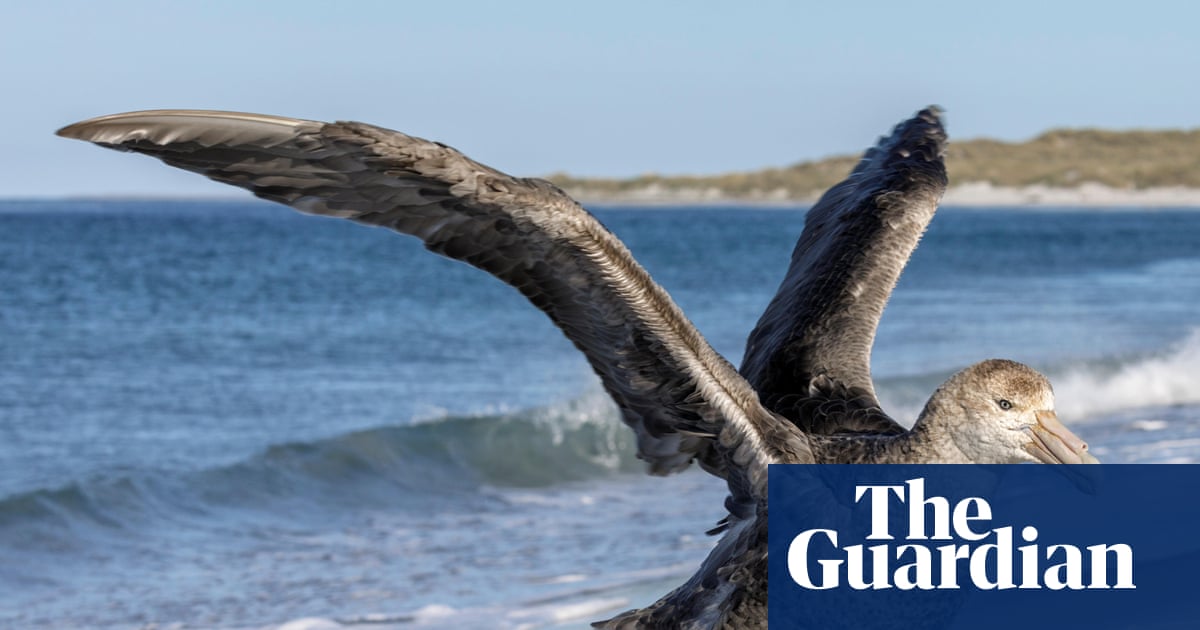
NSW records first suspected case of deadly H5 bird flu as virus reaches Australia’s east coast

Bird flu confirmed in South Australia as infected petrel brings deadly H5N1 cases to three
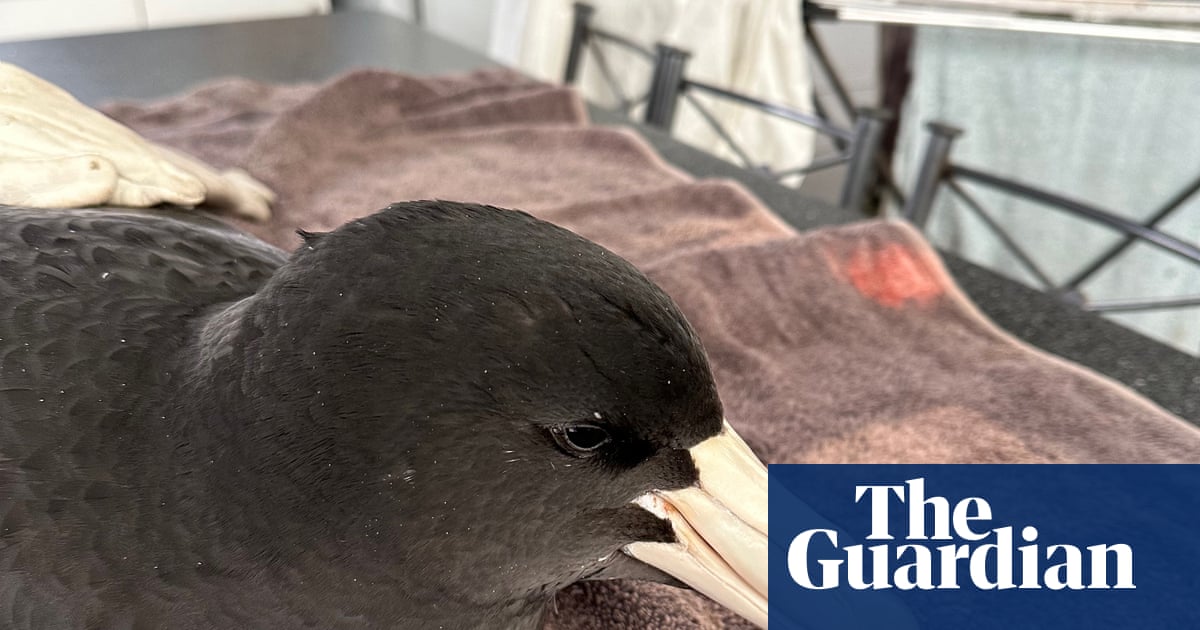
Brown skuas and giant petrels rarely make landfall. When they were found in WA, scientists feared ‘bad news’ for wildlife
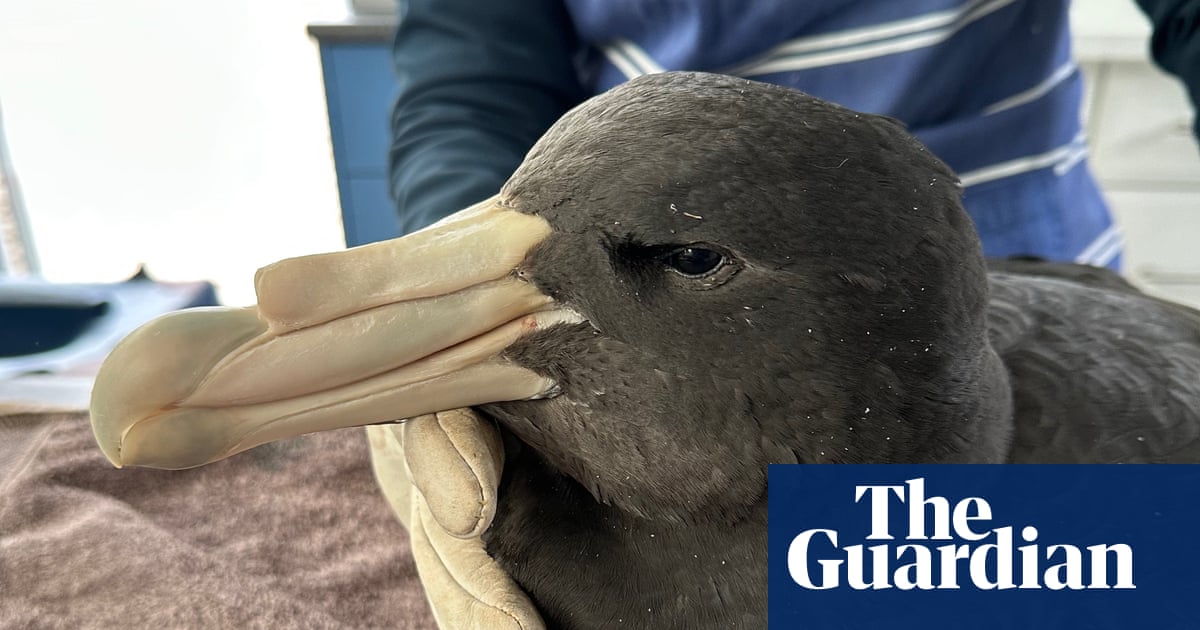
Western Australian poultry farms locked down after H5N1 bird flu discovered in wild birds

Australia pledges action on H5N1 after bird flu case confirmed