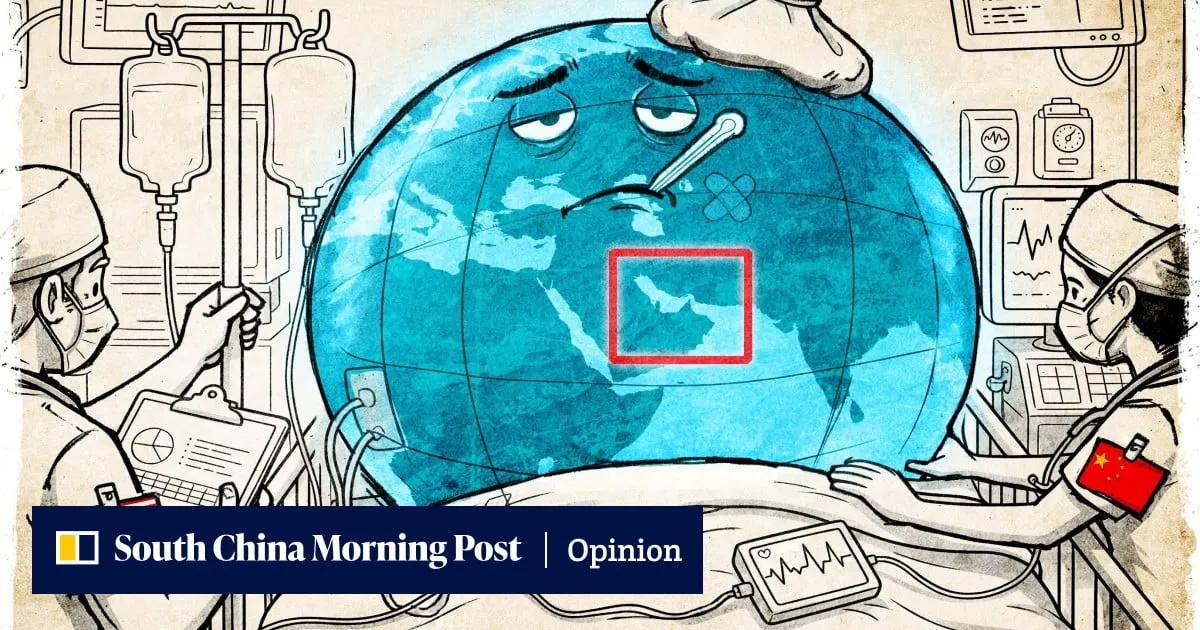
With the end of the 60-day US-Iran memorandum of understanding, tensions in the Strait of Hormuz have flared again. The crisis in the strait highlights how the security and stability of key international waterways are becoming an increasingly urgent global concern.Over the past decade, major maritime routes have been affected by regional armed conflicts, geopolitical tensions and growing security risks. These disruptions have exposed a vulnerability in the global trading system: a key international waterway need not be formally “blocked” for shipping to become constrained.A strategic international strait may remain legally “open” while ships face military threats, attacks, higher insurance premiums, sanctions-related risks, forced re-routing or arbitrary conditions for passage. In such circumstances, the question is no longer simply whether the waterway is “open” or “closed”, but whether ships can pass through it safely, predictably and at a reasonable cost. This distinction matters significantly to both China and the United States.
SRCSouth China Morning Post
LANGEN
LEANCenter-Right
WORDS151
ENT11
FRI · 2026-08-28 · 12:30 GMTBRIEF NSR-2026-0828-106885
NSR-2026-0828-106885Opinion·EN·Economic Impact
US and China must team up to keep maritime trade routes free and safe
Recent flare-ups in the Strait of Hormuz, following the end of a US-Iran memorandum of understanding, underscore the growing global concern over the security of vital maritime trade routes. Over the past decade, these key waterways have faced disruptions from regional conflicts, geopolitical tensions, and increasing security risks.
Bao YinanSouth China Morning PostFiled 2026-08-28 · 12:30 GMTLean · Center-RightRead · 1 min
South China Morning PostFIG 01
Reading time
1min
Word count
151words
Sources cited
0cited
Entities identified
11entities
Quality score
100%
§ 01
Briefing Summary
AI-generatedNEWSAR · AI
Recent flare-ups in the Strait of Hormuz, following the end of a US-Iran memorandum of understanding, underscore the growing global concern over the security of vital maritime trade routes. Over the past decade, these key waterways have faced disruptions from regional conflicts, geopolitical tensions, and increasing security risks. These issues demonstrate that even legally "open" straits can become constrained for shipping due to military threats, attacks, higher insurance costs, sanctions, or arbitrary passage conditions. The article argues that the ability of ships to pass safely, predictably, and affordably is the critical factor, a concern shared by both China and the United States.
Confidence 0.90Claims 5Entities 11
§ 02
Article analysis
Model · rule-basedFraming
Economic Impact
Diplomatic
Tone
Mixed Tone
AI-assessed
CalmNeutralAlarmist
Factuality
0.30 / 1.00
Opinion-Heavy
LowHigh
Sources cited
0
No named sources
FewMany
§ 03
Key claims
5 extracted01
The question for safe passage is whether ships can pass through a waterway safely, predictably, and at a reasonable cost, not just if it is 'open' or 'closed'.
factual
Confidence
0.90
02
Ships can face military threats, attacks, higher insurance premiums, sanctions-related risks, forced re-routing, or arbitrary conditions for passage even if a strategic strait remains legally 'open'.
factual
Confidence
0.90
03
A key international waterway need not be formally 'blocked' for shipping to become constrained.
factual
Confidence
0.90
04
Tensions in the Strait of Hormuz have flared again following the end of the US-Iran memorandum of understanding.
factual
Confidence
0.90
05
Major maritime routes have been affected by regional armed conflicts, geopolitical tensions, and growing security risks over the past decade.
factual
Confidence
0.80
§ 04
Full report
1 min read · 151 words§ 05
Entities
11 identifiedKey playerOppositionContextPositiveNeutralNegative
Locations4
§ 06
Keywords & salience
8 termsmaritime trade routes
1.00
strait of hormuz
0.90
global security
0.80
geopolitical tensions
0.70
international waterways
0.70
us-china cooperation
0.60
shipping safety
0.50
arbitrary conditions for passage
0.40
§ 07
Topic connections
Interactive graph Network visualization showing 51 related topics
View Full Graph Person Organization Location Event|Click node to navigate|Edge numbers = shared articles