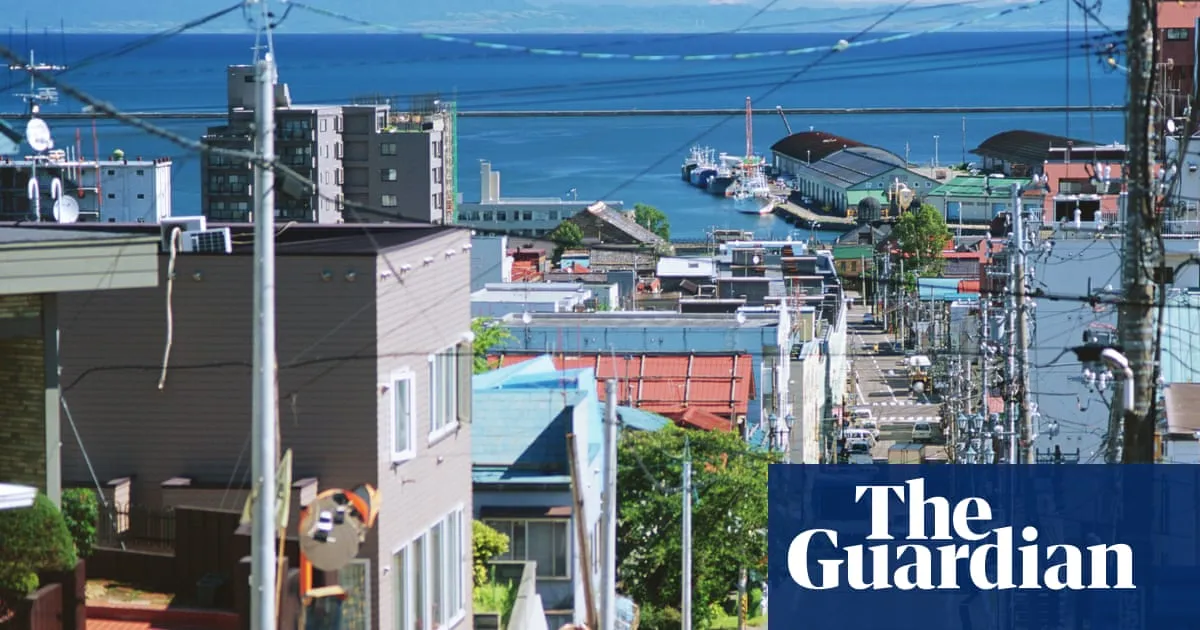
Drivers on residential roads in Japan have been forced to take their foot off the accelerator, after the speed limit was slashed from 60km/h (37mph) to 30km/h in an attempt to reduce deaths and injuries among pedestrians on narrow urban streets.The new limit, which went into effect on Tuesday, applies to residential roads with no centre line or maximum speed signs, media reports said.Narrow roads with no centre lines or pavements are a common sight in crowded Japanese cities, with data indicating that children and older people are at particular risk of being involved in a fatal or serious accident.The measures apply to about 870,000km of roads that are less than 5.5 metres wide and do not have centre lines or median strips, according to the Mainichi Shimbun. They account for about 70% of the country’s general roads, the newspaper said.Authorities hopes the restrictions will address concerns that residential areas are not experiencing the same improvements in safety seen on larger roads.While the overall number of deaths in traffic accidents is in decline – falling to a record low of 2,457 last year – those involving children and older people on residential roads has remained steady at about 300 a year since 2021, and rose for the first time in three years in 2025, according to the national police agency.The introduction in 2011 of “zone 30” areas on a limited number of residential streets and along school routes resulted in a 30% reduction in fatalities and serious injuries, the Mainichi said.Police agency data show that the mortality rate among pedestrians is less than 1% in accidents involving vehicles traveling at or below 30km/h, with the rate rising to 2.7% at speeds of 30-40km/h, and to 17.4% at 50-60km/h.“We ask drivers to recognise that they need to take particular care on roads shared by vehicles, pedestrians and cyclists,” the police agency’s commissioner general, Yoshinobu Kusunoki, told reporters this week.
SRCThe Guardian - World News
LANGEN
LEANCenter-Left
WORDS318
ENT10
WED · 2026-09-02 · 05:15 GMTBRIEF NSR-2026-0902-108326
NSR-2026-0902-108326News Report·EN·Public Health
Japan halves speed limit to 30km/h on all narrow city streets
Japan has reduced the speed limit on approximately 70% of its general roads, specifically narrow city streets without center lines, from 60 km/h to 30 km/h. This change, effective Tuesday, aims to enhance safety for pedestrians, particularly children and the elderly, who are at higher risk on these roads.
Justin McCurry in TokyoThe Guardian - World NewsFiled 2026-09-02 · 05:15 GMTLean · Center-LeftRead · 2 min
The Guardian - World NewsFIG 01
Reading time
2min
Word count
318words
Sources cited
3cited
Entities identified
10entities
Quality score
100%
§ 01
Briefing Summary
AI-generatedNEWSAR · AI
Japan has reduced the speed limit on approximately 70% of its general roads, specifically narrow city streets without center lines, from 60 km/h to 30 km/h. This change, effective Tuesday, aims to enhance safety for pedestrians, particularly children and the elderly, who are at higher risk on these roads. The measure applies to about 870,000 kilometers of roads less than 5.5 meters wide. While overall traffic accident deaths are declining, those involving vulnerable groups on residential roads have remained steady or increased. Data indicates a significantly lower pedestrian mortality rate at speeds of 30 km/h or less compared to higher speeds. Japanese authorities hope this restriction will improve safety in residential areas, mirroring the success of previous "zone 30" initiatives.
Confidence 0.90Sources 3Claims 5Entities 10
§ 02
Article analysis
Model · rule-basedFraming
Public Health
Human Interest
Tone
Measured
AI-assessed
CalmNeutralAlarmist
Factuality
0.90 / 1.00
Factual
LowHigh
Sources cited
3
Well sourced
FewMany
§ 03
Key claims
5 extracted01
Introduction of 'zone 30' areas in 2011 resulted in a 30% reduction in fatalities and serious injuries.
statisticMainichi Shimbun
Confidence
1.00
02
Pedestrian mortality rate is less than 1% at speeds up to 30km/h, rising to 17.4% at 50-60km/h.
statisticPolice agency
Confidence
1.00
03
Traffic accident deaths in Japan fell to a record low of 2,457 last year, but those involving children and older people on residential roads remained steady at about 300 annually since 2021.
statisticnational police agency
Confidence
1.00
04
The new 30km/h speed limit applies to residential roads without center lines or maximum speed signs.
factual
Confidence
1.00
05
Japan has halved the speed limit on narrow city streets from 60km/h to 30km/h to reduce pedestrian deaths and injuries.
factual
Confidence
1.00
§ 04
Full report
2 min read · 318 words§ 05
Entities
10 identifiedKey playerOppositionContextPositiveNeutralNegative
Locations3
§ 06
Keywords & salience
8 termsspeed limit reduction
1.00
pedestrian safety
0.90
urban streets
0.80
residential roads
0.70
traffic accident deaths
0.60
vulnerable road users
0.50
japan
0.40
zone 30
0.40
§ 07
Topic connections
Interactive graph Network visualization showing 51 related topics
View Full Graph Person Organization Location Event|Click node to navigate|Edge numbers = shared articles