The New constitution strengthens the presidency at the expense of the Prime Minister, altering the balance of power under Guinea-Bissau's Semi-presidential system.Previously, Guinea-Bissau's legislature appointed a Prime Minister from the parliamentary majority, who then formed a cabinet - an arrangement the ruling Military authorities said had contributed to political instability.The changes now give the President greater authority over the government.However, the five-year presidential term and two-term limit have been retained. The Military authorities have argued that the changes are necessary to end repeated disputes between presidents and prime ministers. The New constitution also reduces the number of seats in Parliament from 102 to 65 and cuts the number of electoral constituencies from 29 to 12.It introduces new eligibility requirements for presidential candidates, including a provision requiring them to have lived continuously in Guinea-Bissau for the five years before an election.The changes come ahead of presidential and Parliamentary elections scheduled for December, which the Military authorities say are intended to return the country to Civilian rule.
SRCBBC News - World
LANGEN
LEANCenter
WORDS165
ENT10
WED · 2026-09-02 · 07:48 GMTBRIEF NSR-2026-0902-108400
NSR-2026-0902-108400News Report·EN·Political Strategy
Guinea-Bissau referendum approves new constitution that expands president's powers
Guinea-Bissau has approved a new constitution through a referendum, following last year's coup and ahead of a planned return to civilian rule. The reforms significantly strengthen the president's powers at the expense of the prime minister, shifting the balance in the semi-presidential system.
2 hours agoShareSaveAdd as preferred on GoogleThomas NaadiandWycliffe MuiaBBC News - WorldFiled 2026-09-02 · 07:48 GMTLean · CenterRead · 1 min
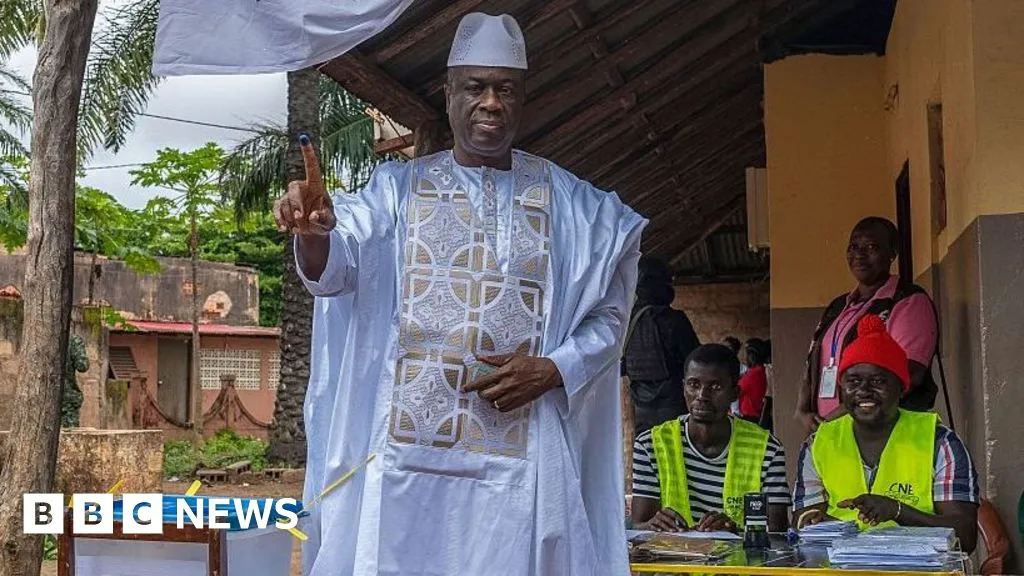
BBC News - WorldFIG 01
Reading time
1min
Word count
165words
Sources cited
0cited
Entities identified
10entities
Quality score
100%
§ 01
Briefing Summary
AI-generatedNEWSAR · AI
Guinea-Bissau has approved a new constitution through a referendum, following last year's coup and ahead of a planned return to civilian rule. The reforms significantly strengthen the president's powers at the expense of the prime minister, shifting the balance in the semi-presidential system. Previously, the legislature appointed the prime minister, but the new constitution grants the president greater authority over the government. The military authorities stated these changes are necessary to address political instability caused by disputes between presidents and prime ministers. The constitution also reduces the number of parliamentary seats and electoral constituencies, and introduces new eligibility criteria for presidential candidates. These changes precede presidential and parliamentary elections scheduled for December.
Confidence 0.90Claims 5Entities 10
§ 02
Article analysis
Model · rule-basedFraming
Political Strategy
Legal & Judicial
Tone
Measured
AI-assessed
CalmNeutralAlarmist
Factuality
0.80 / 1.00
Factual
LowHigh
Sources cited
0
No named sources
FewMany
§ 03
Key claims
5 extracted01
New eligibility requirements for presidential candidates include residing in Guinea-Bissau for five years prior to an election.
factual
Confidence
1.00
02
The new constitution reduces the number of parliamentary seats from 102 to 65 and electoral constituencies from 29 to 12.
factual
Confidence
1.00
03
The new constitution alters the balance of power, giving the president greater authority over the government at the expense of the prime minister.
factual
Confidence
1.00
04
A new constitution in Guinea-Bissau has been approved by referendum, strengthening presidential powers.
factual
Confidence
1.00
05
The military authorities stated the changes are necessary to end disputes between presidents and prime ministers and contribute to political stability.
quoteruling military authorities
Confidence
0.90
§ 04
Full report
1 min read · 165 words§ 05
Entities
10 identifiedKey playerOppositionContextPositiveNeutralNegative
Organizations3
Locations1
§ 06
Keywords & salience
9 termspresidential powers
1.00
guinea-bissau
1.00
new constitution
1.00
balance of power
0.90
semi-presidential system
0.80
political instability
0.70
military authorities
0.60
parliamentary seats
0.50
civilian rule
0.40
§ 07
Topic connections
Interactive graph Network visualization showing 20 related topics
View Full Graph Person Organization Location Event|Click node to navigate|Edge numbers = shared articles