
PE
parliamentary elections
Event ElectionDanish rightwing leader tasked with forming government; Hungary sees new PM after elections.
Total Coverage:2 articles
Last 7 Days:1
Velocity:-75.0%
Event Overview
Recent parliamentary elections have led to significant political shifts in both Denmark and Hungary. In Denmark, following the failure of Prime Minister Mette Frederiksen to form a ruling coalition despite her Social Democrats winning a plurality of votes, a centre-right politician has been asked to attempt government formation. This development marks a notable change in the Danish political landscape. Meanwhile, Hungary has officially sworn in Peter Magyar as its new Prime Minister. Magyar, leading the centre-right Tisza party, secured a substantial parliamentary majority in recent elections, ending Viktor Orban's 16-year tenure. His rise to power was fueled by promises of reform amidst concerns of economic stagnation. These events underscore the dynamic nature of parliamentary politics and the potential for electoral outcomes to reshape national leadership and policy direction.
Last updated: September 13, 2026
Coverage Timeline
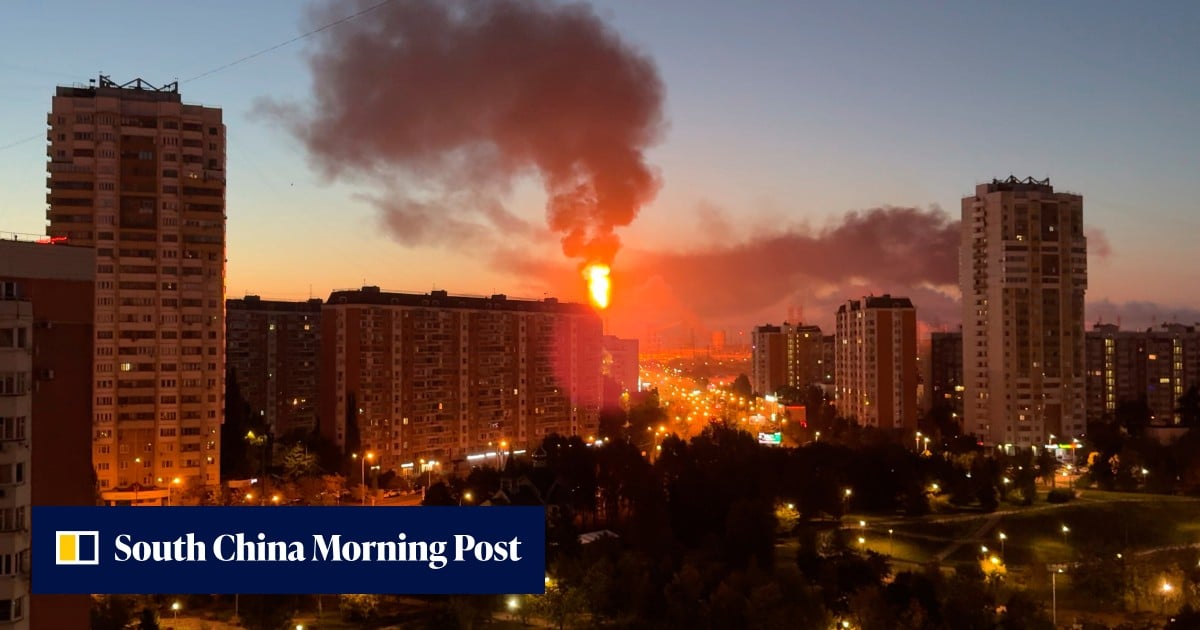
Russia vows revenge for Ukraine’s election-day attacks as poll shows win for ruling party

Mass Ukrainian drone attack on Moscow kills two, Russia says

Sweden prime minister to resign as left-wing bloc seals narrow election win

NHL superstar Ovechkin ‘was asked’ to film Putin ad, team says

Philippines’ Muslim-majority Bangsamoro region votes for first parliament
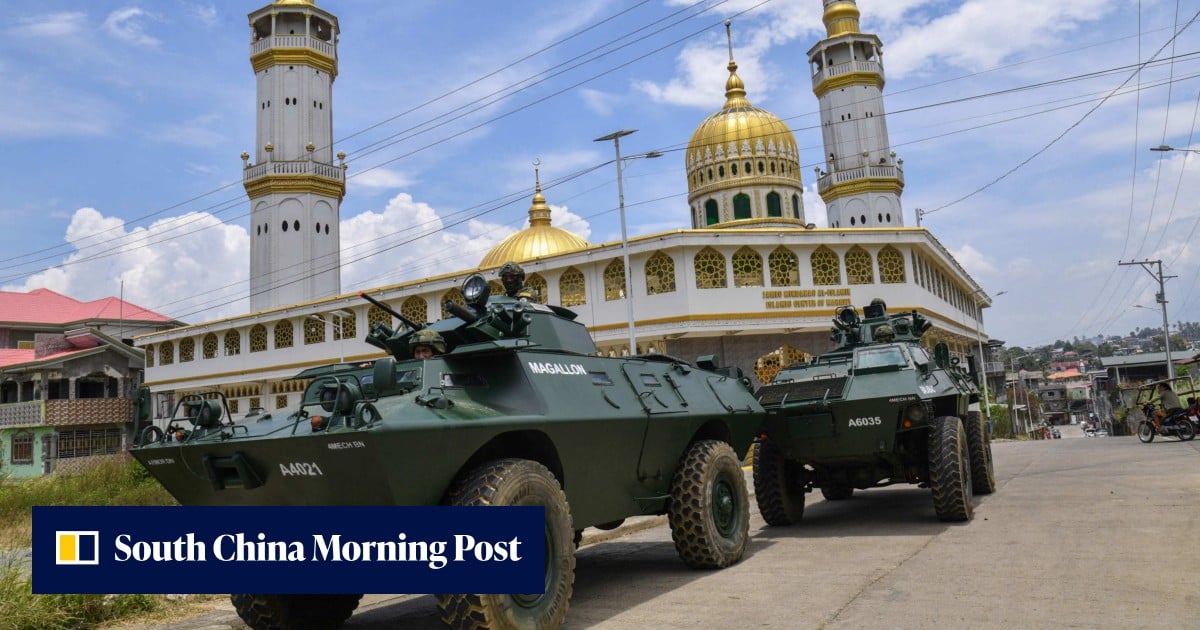
Philippines holding historic election in Muslim autonomous region

Vote count starts in Guinea-Bissau referendum on strengthening presidency
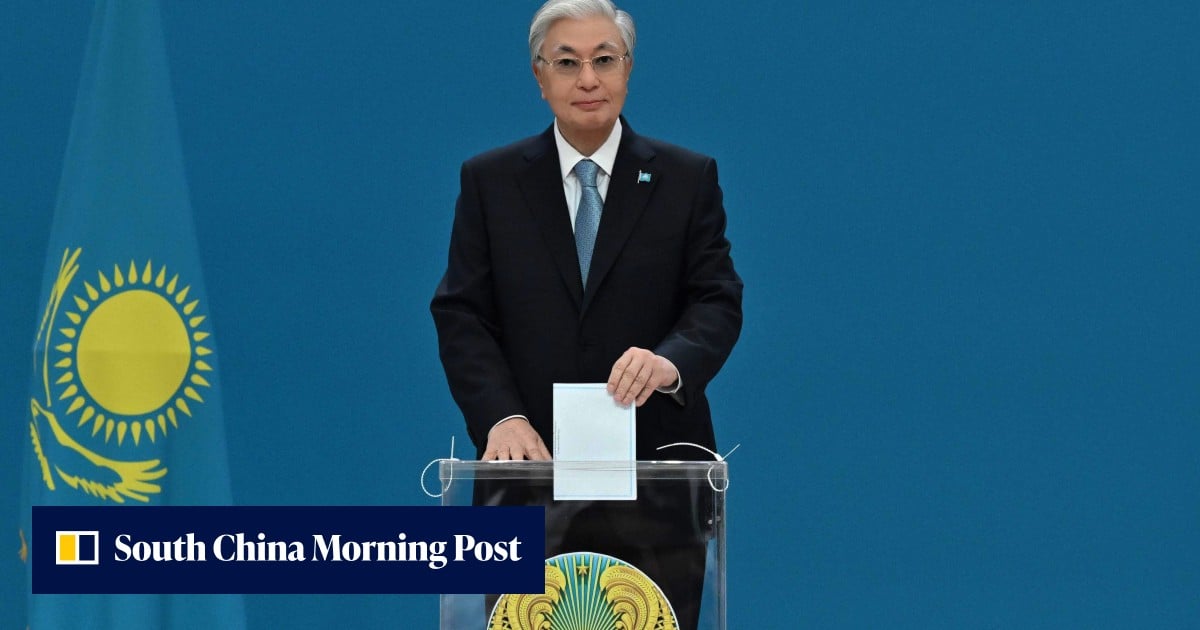
Kazakhstan election: pro-Tokayev party set for landslide as president hints at staying on
