Japanese Nobel Prize winner, chemist Hideki Shirakawa, speaks with Swedish Embassy Minister Karl Leifland at his home in Yokohama, south of Tokyo, on Oct. 11, 2000. (AP Photo/Tsugufumi Matsumoto, File) 2026-09-03T11:49:44Z Tokyo (AP) — Japanese scientist Hideki Shirakawa, co-winner of the 2000 Nobel Prize in chemistry for discovering and developing conductive polymers, has died. He was 90. The discovery by Shirakawa and two fellow American scientists, Alan Heeger and Alan MacDiarmid, demonstrated that plastic could conduct electricity like metal and be used in applications such as electronics. Shirakawa died on Aug. 24, according to the University of Tsukuba, where he taught and researched after joining in 1979. The university did not specify a cause of death. Japan’s largest newspaper, the Yomiuri, said Shirakawa died at a hospital in Yokohama, west of Tokyo. Born in Tokyo in 1936, Shirakawa earned a doctoral degree in engineering at the Tokyo-institute-of-technology" class="entity-link entity-organization" data-entity-id="199431" data-entity-type="organization">Tokyo Institute of Technology in 1966. Ten years later, he became a researcher at the University of Pennsylvania, where he worked with McDiarmid and Heeger. The three scientists’ findings that defied common sense that plastics are not conductive paved the way for the development of inexpensive conductive materials that are lighter and more flexible than metals and used in solar cells and mobile phone screens. 获取更多RSS: https://feedx.net https://feedx.site
SRCAssociated Press (AP)
LANGEN
LEANCenter
WORDS214
ENT12
THU · 2026-09-03 · 11:53 GMTBRIEF NSR-2026-0903-108802
NSR-2026-0903-108802News Report·EN·Technology
Japanese scientist Shirakawa, co-winner of 2000 Nobel Prize in chemistry, dies at 90
Japanese scientist Hideki Shirakawa, a co-winner of the 2000 Nobel Prize in Chemistry, has died at the age of 90. Shirakawa, who passed away on August 24th, was recognized for his discovery and development of conductive polymers.
Associated Press (AP)Filed 2026-09-03 · 11:53 GMTLean · CenterRead · 1 min
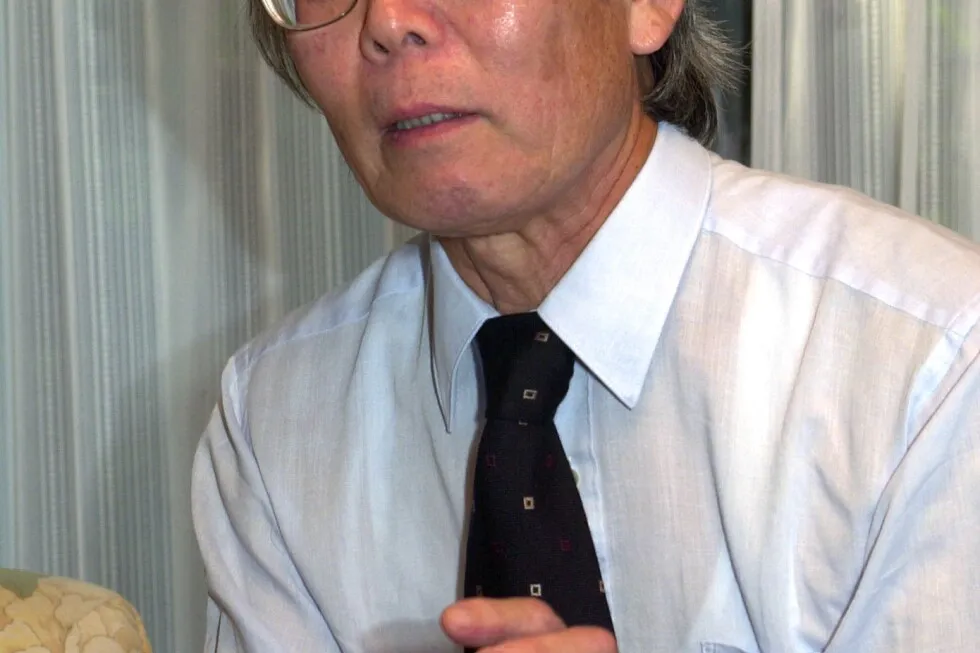
Associated Press (AP)FIG 01
Reading time
1min
Word count
214words
Sources cited
3cited
Entities identified
12entities
Quality score
100%
§ 01
Briefing Summary
AI-generatedNEWSAR · AI
Japanese scientist Hideki Shirakawa, a co-winner of the 2000 Nobel Prize in Chemistry, has died at the age of 90. Shirakawa, who passed away on August 24th, was recognized for his discovery and development of conductive polymers. Working with American scientists Alan Heeger and Alan MacDiarmid, Shirakawa demonstrated that plastics could conduct electricity, a finding that revolutionized material science. Their work paved the way for lighter, more flexible conductive materials used in electronics like solar cells and mobile phone screens. Shirakawa had been a researcher and professor at the University of Tsukuba since 1979.
Confidence 0.90Sources 3Claims 5Entities 12
§ 02
Article analysis
Model · rule-basedFraming
Technology
Human Interest
Tone
Measured
AI-assessed
CalmNeutralAlarmist
Factuality
0.90 / 1.00
Factual
LowHigh
Sources cited
3
Well sourced
FewMany
§ 03
Key claims
5 extracted01
Shirakawa died on Aug. 24, according to the University of Tsukuba.
factualUniversity of Tsukuba
Confidence
1.00
02
Conductive polymers are used in applications such as solar cells and mobile phone screens.
factual
Confidence
1.00
03
Their discovery demonstrated that plastic could conduct electricity like metal.
factual
Confidence
1.00
04
Shirakawa, Alan Heeger, and Alan MacDiarmid discovered and developed conductive polymers.
factual
Confidence
1.00
05
Japanese scientist Hideki Shirakawa, co-winner of the 2000 Nobel Prize in chemistry, has died at 90.
factual
Confidence
1.00
§ 04
Full report
1 min read · 214 words§ 05
Entities
12 identifiedKey playerOppositionContextPositiveNeutralNegative
People4
Organizations3
§ 06
Keywords & salience
10 termsconductive polymers
1.00
nobel prize in chemistry
1.00
hideki shirakawa
1.00
plastic conductivity
0.90
electronics
0.70
mobile phone screens
0.60
solar cells
0.60
university of tsukuba
0.50
tokyo institute of technology
0.40
university of pennsylvania
0.40
§ 07
Topic connections
Interactive graph No topic relationship data available yet. This graph will appear once topic relationships have been computed.