3-MIN READ3-MIN1ListenPublished: 5:00pm, 4 Sep 2026Cross-border disasters along China’s frontiers are putting Beijing’s neighbourhood diplomacy to the test as climate shocks grow and expose strategic vulnerabilities.The stakes were highlighted last week after a sudden glacial collapse in the Himalayas unleashed a torrent of mud and flooding that ravaged nearby villages and the Gyirong Port between China and Nepal, leaving more than 1,250 dead in Nepal and 21 dead in the Tibet autonomous region. Thousands also remain missing.Beyond the Himalayas, a wave of extreme weather also battered China’s southern frontiers, with torrential rain triggering severe flash flooding and landslides on China’s borders with Vietnam and Laos last week.02:00Symbolic funeral held for Nepal flood victims as police collect DNA to help identify remainsThe record floodwater level submerged economic zones and forced the closure of a crucial checkpoint between China and Laos, as well as several key highways and an airport in the developing Southeast Asian country, over the weekend.
SRCSouth China Morning Post
LANGEN
LEANCenter-Right
WORDS157
ENT11
FRI · 2026-09-04 · 09:00 GMTBRIEF NSR-2026-0904-109152
NSR-2026-0904-109152Analysis·EN·Diplomatic
How natural disasters are putting China’s neighbourhood diplomacy to the test
Cross-border natural disasters are challenging China's neighborhood diplomacy as climate shocks intensify. A recent glacial collapse in the Himalayas caused devastating mudslides and flooding, impacting villages and the Gyirong Port between China and Nepal.
Laura ZhouSouth China Morning PostFiled 2026-09-04 · 09:00 GMTLean · Center-RightRead · 1 min
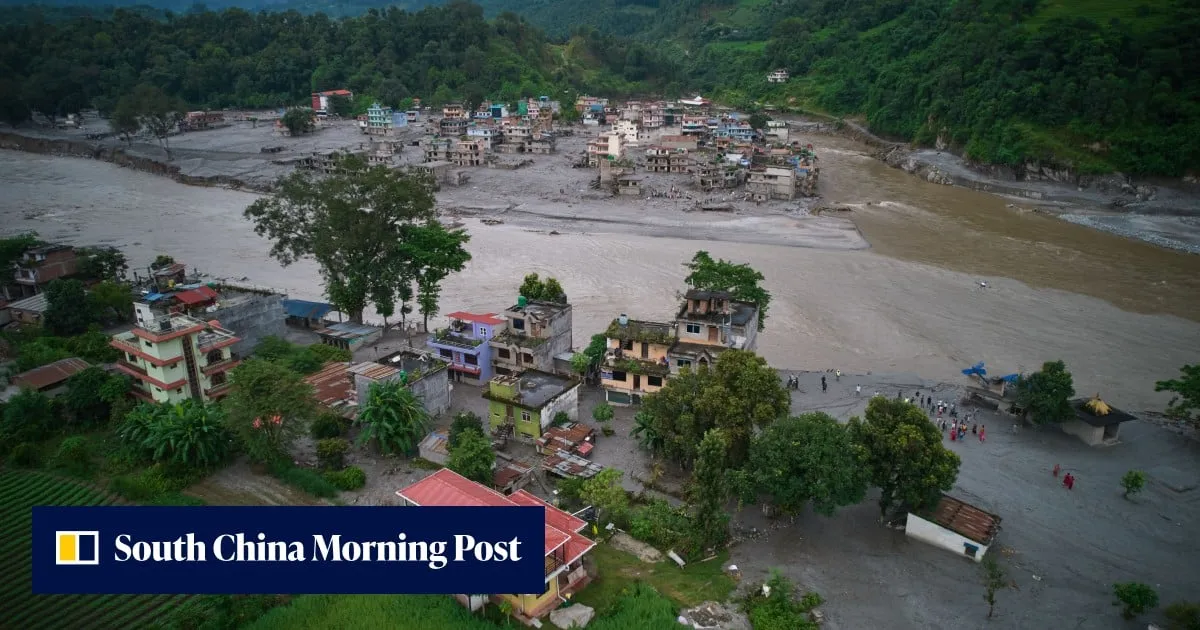
South China Morning PostFIG 01
Reading time
1min
Word count
157words
Sources cited
0cited
Entities identified
11entities
Quality score
100%
§ 01
Briefing Summary
AI-generatedNEWSAR · AI
Cross-border natural disasters are challenging China's neighborhood diplomacy as climate shocks intensify. A recent glacial collapse in the Himalayas caused devastating mudslides and flooding, impacting villages and the Gyirong Port between China and Nepal. This event resulted in over 1,250 deaths in Nepal and 21 in China's Tibet autonomous region, with thousands still missing. Simultaneously, extreme weather, including torrential rain, triggered severe flooding and landslides along China's borders with Vietnam and Laos. These events submerged economic zones and disrupted crucial transportation routes, including a key checkpoint between China and Laos, highlighting strategic vulnerabilities.
Confidence 0.90Claims 5Entities 11
§ 02
Article analysis
Model · rule-basedFraming
Diplomatic
Environmental
Tone
Mixed Tone
AI-assessed
CalmNeutralAlarmist
Factuality
0.70 / 1.00
Factual
LowHigh
Sources cited
0
No named sources
FewMany
§ 03
Key claims
5 extracted01
A glacial collapse in the Himalayas caused flooding that ravaged villages and the Gyirong Port between China and Nepal.
factual
Confidence
0.95
02
Record floodwaters submerged economic zones and forced the closure of a crucial checkpoint between China and Laos.
factual
Confidence
0.90
03
Extreme weather also battered China’s southern frontiers, causing flooding and landslides on borders with Vietnam and Laos.
factual
Confidence
0.90
04
The Himalayan disaster left more than 1,250 dead in Nepal and 21 dead in the Tibet autonomous region, with thousands missing.
statistic
Confidence
0.90
05
Cross-border disasters along China’s frontiers are testing Beijing’s neighbourhood diplomacy as climate shocks grow.
factual
Confidence
0.90
§ 04
Full report
1 min read · 157 words§ 05
Entities
11 identifiedKey playerOppositionContextPositiveNeutralNegative
Locations6
§ 06
Keywords & salience
10 termsnatural disasters
1.00
neighbourhood diplomacy
1.00
climate shocks
0.90
strategic vulnerabilities
0.80
glacial collapse
0.70
extreme weather
0.70
landslides
0.60
flooding
0.60
china
0.50
nepal
0.50
§ 07
Topic connections
Interactive graph Network visualization showing 51 related topics
View Full Graph Person Organization Location Event|Click node to navigate|Edge numbers = shared articles