UN food price index rises to four-year high, illustrating impact of war and weather.Global food prices have hit a four-year high, the United Nations has warned.The UN’s Food and Agriculture Organization (FAO) reported on Friday that its Food Price Index climbed for a third straight month to 133.3 points in August.Recommended Stories list of 2 itemslist 1 of 2El Nino: A phenomenon supercharged by climate changelist 2 of 2Gulf insecurity fuels US energy dominanceend of listThat pushed the measure to its highest level since late 2022, as wars and weather impact supplies, the agency said.Every category on the index – cereals, vegetable oils, sugar, meat and dairy – rose over the month.FAO chief economist, Maximo Torero, said the rise is being driven by several factors.“Climate shocks, geopolitical tensions and disrupted trade logistics are converging to tighten supply expectations,” he said in a statement.That risk was clearest in sugar, which rose fastest of all the categories tracked, up almost 12 percent from July to its highest point in a year.Cereal prices climbed more than two percent to their highest level in over two years.Wheat and maize both became more expensive as military strikes disrupted shipping through the Black Sea, a major route for Russian and Ukrainian grain exports.Fertiliser supplies faced separate strain from the conflict between the United States, Israel and Iran. The Strait of Hormuz, the narrow waterway off Iran’s coast that is being blockaded by both the US and Iran, carries much of the world’s fertiliser trade.Those increases matter well beyond supermarket shelves, since higher wholesale food costs tend to filter through to consumer prices in the months that follow.The risk is heightened by Global Warming, as well as the return of El Nino, the naturally occurring Pacific Ocean warming pattern that disrupts weather worldwide.
SRCAl Jazeera
LANGEN
LEANCenter
WORDS296
ENT12
FRI · 2026-09-04 · 13:24 GMTBRIEF NSR-2026-0904-109196
NSR-2026-0904-109196News Report·EN·Economic Impact
Conflicts and extreme weather pushing global food prices higher, warns UN
The United Nations' Food and Agriculture Organization (FAO) reported that the global food price index reached a four-year high in August, climbing for the third consecutive month to 133.3 points. This increase, the highest since late 2022, is attributed to a confluence of factors including climate shocks, geopolitical tensions, and disrupted trade logistics.
By ReutersAl JazeeraFiled 2026-09-04 · 13:24 GMTLean · CenterRead · 2 min
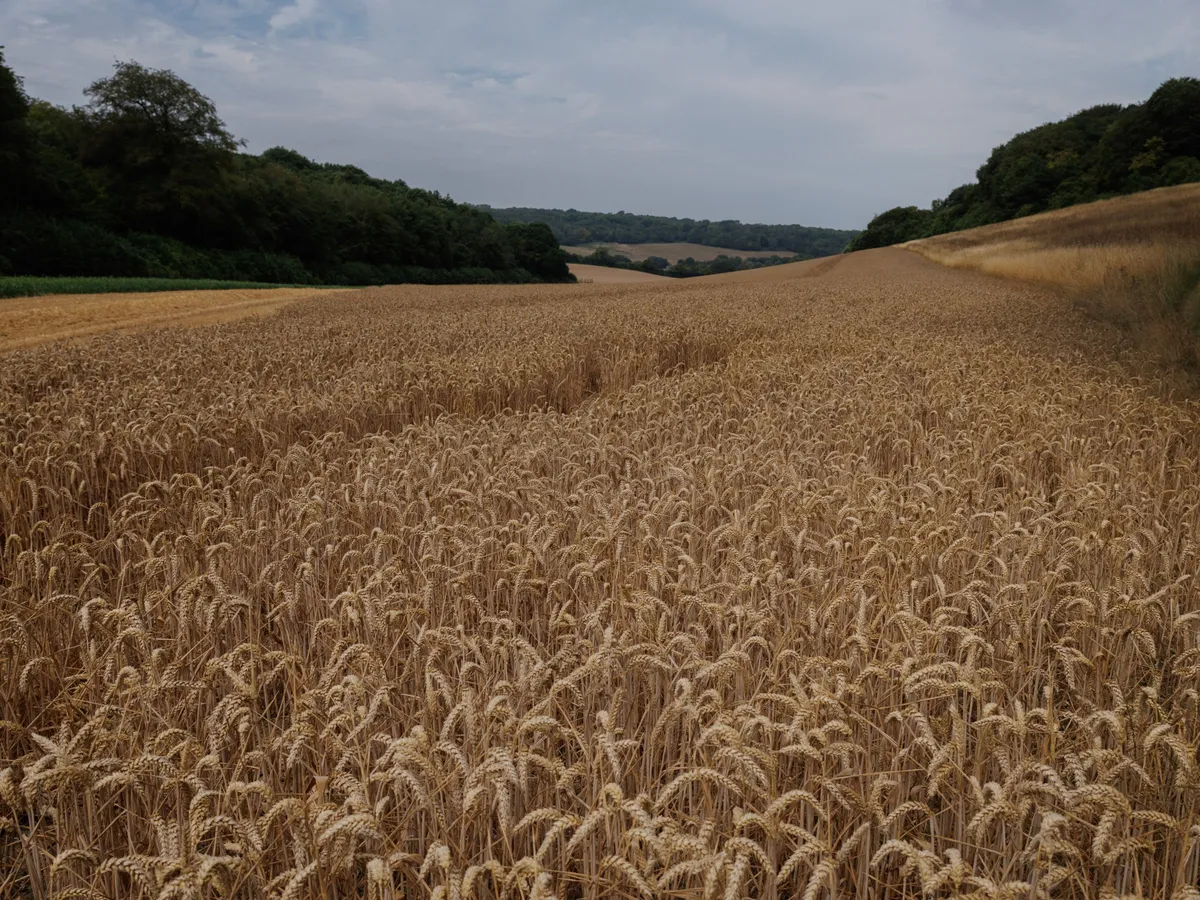
Al JazeeraFIG 01
Reading time
2min
Word count
296words
Sources cited
1cited
Entities identified
12entities
Quality score
100%
§ 01
Briefing Summary
AI-generatedNEWSAR · AI
The United Nations' Food and Agriculture Organization (FAO) reported that the global food price index reached a four-year high in August, climbing for the third consecutive month to 133.3 points. This increase, the highest since late 2022, is attributed to a confluence of factors including climate shocks, geopolitical tensions, and disrupted trade logistics. Every category on the index, encompassing cereals, vegetable oils, sugar, meat, and dairy, saw price rises. Specifically, sugar prices surged nearly 12 percent, and cereal prices increased over two percent, driven by disruptions to Black Sea shipping routes for grain exports and strains on fertilizer supplies due to conflicts involving the United States, Israel, and Iran. These rising wholesale costs are expected to impact consumer prices in the coming months, with global warming and the return of El Nino exacerbating these risks.
Confidence 0.90Sources 1Claims 5Entities 12
§ 02
Article analysis
Model · rule-basedFraming
Economic Impact
Conflict
Tone
Measured
AI-assessed
CalmNeutralAlarmist
Factuality
0.80 / 1.00
Factual
LowHigh
Sources cited
1
Limited
FewMany
§ 03
Key claims
5 extracted01
Cereal prices climbed more than two percent to their highest level in over two years.
statisticFAO
Confidence
1.00
02
Sugar prices rose almost 12 percent from July to their highest point in a year.
statisticFAO
Confidence
1.00
03
Every category on the index – cereals, vegetable oils, sugar, meat and dairy – rose over the month.
statisticFAO
Confidence
1.00
04
The FAO Food Price Index rose to 133.3 points in August, its highest level since late 2022.
statisticFAO
Confidence
1.00
05
Global food prices have hit a four-year high, according to the UN's Food and Agriculture Organization (FAO).
statisticFAO
Confidence
1.00
§ 04
Full report
2 min read · 296 words§ 05
Entities
12 identifiedKey playerOppositionContextPositiveNeutralNegative
Organizations2
Locations6
Events1
§ 06
Keywords & salience
10 termsglobal food prices
1.00
extreme weather
0.90
conflicts
0.90
un food price index
0.80
climate shocks
0.70
geopolitical tensions
0.70
el nino
0.60
global warming
0.50
black sea
0.40
strait of hormuz
0.40
§ 07
Topic connections
Interactive graph Network visualization showing 51 related topics
View Full Graph Person Organization Location Event|Click node to navigate|Edge numbers = shared articles