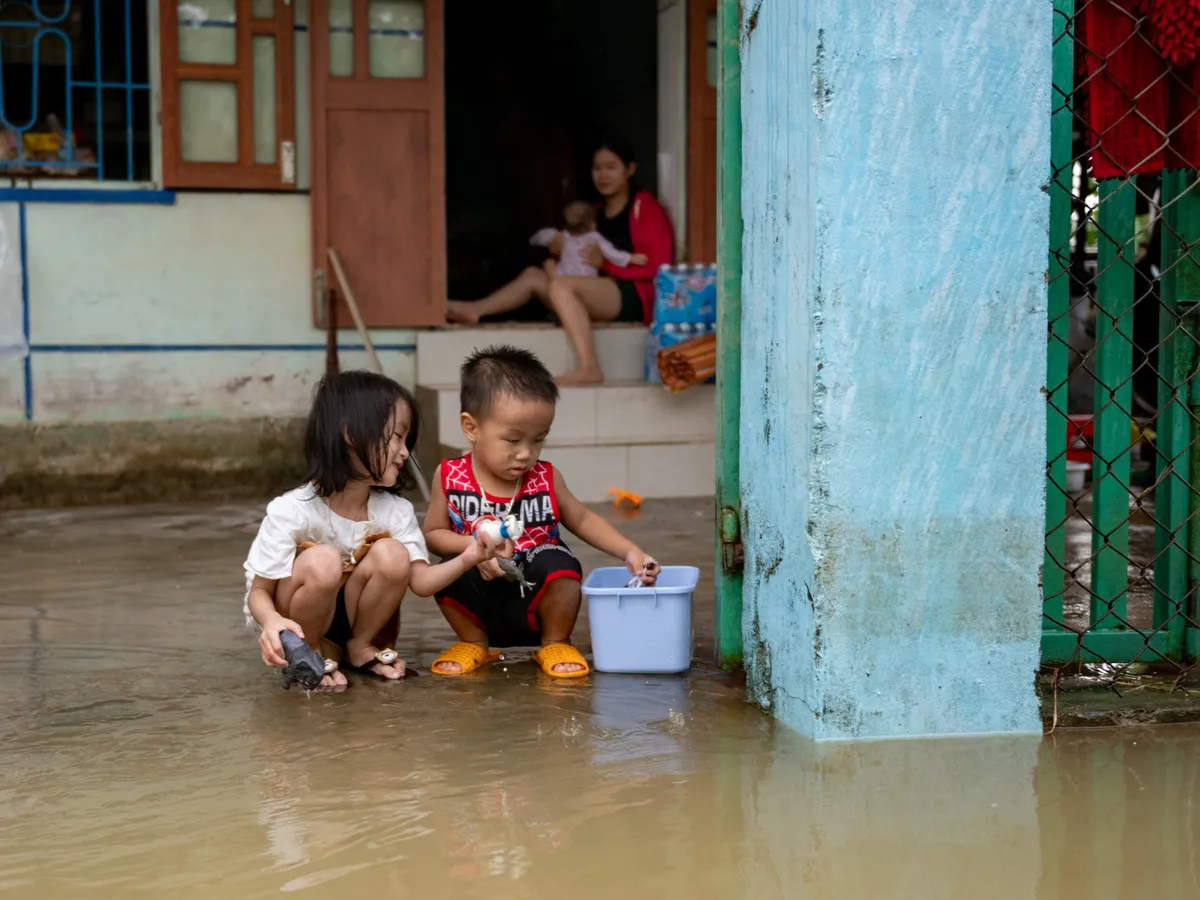
More than 171 million students affected globally with girls disproportionately impacted.One in 10 students from pre-primary to upper secondary globally had their education interrupted by Climate Hazards last year, according to a new report by the United Nations children’s agency.Analysing data from 106 countries and territories, UNICEF’s report on Thursday said more than 171 million students were affected globally, with girls disproportionately affected.Recommended Stories list of 3 itemslist 1 of 3‘Breaks my heart’: Yemen jab shortages spark fears for millions of childrenlist 2 of 3Bangladesh measles deaths surpass 1,000 after vaccination drive falls shortlist 3 of 3Back to work, not school: Yemen’s crisis forces children to drop outend of listThe report, titled, Learning Interrupted: Global Snapshot of Climate-Related School Disruptions in 2025, found that Storms, Floods, Heatwaves, droughts and wildfires disrupted education through School Closures, damaged facilities, reduced teaching time, lower attendance and an increased risk of dropping out.“For millions of children, Climate Hazards do not just disrupt classes; they also destroy their schools, uproot their families and deprive the most vulnerable,” said UNICEF Executive Director Catherine Russell.The UN agency said 75 percent of the children affected live in low- and lower-middle-income countries, where education systems often lack the resources needed to maintain learning during climate emergencies.It highlighted the particular impact on girls’ education.“Girls face heightened risks of dropping out due to insecurity, unsafe learning environments and Child Marriage,” the report said.“Damage to schools and sanitation facilities, displacement and lost family income can place additional caregiving and water-collection responsibilities on girls,” it added.“These pressures can also increase the risk of Child Marriage, making it more difficult for girls to return to class when schools reopen.”A man walks past damaged houses following deadly flash Floods and a mudslide, in Devighat, Nuwakot district, Nepal, September 8, 2026 [Tyrone Siu/Reuters]Storms were the leading cause of climate-related school disruptions in 2025, affecting 109 million students worldwide, while Floods affected at least 70 million and Heatwaves disrupted the schooling of approximately 50 million children, according to the analysis.
SRCAl Jazeera
LANGEN
LEANCenter
WORDS333
ENT12
THU · 2026-09-10 · 17:41 GMTBRIEF NSR-2026-0910-110322
NSR-2026-0910-110322News Report·EN·Human Rights
Climate hazards disrupted school for 1 in 10 students in 2025: UNICEF
A UNICEF report reveals that in 2025, climate hazards disrupted the education of one in ten students globally, affecting over 171 million children from pre-primary to upper secondary levels. The report, analyzing data from 106 countries, found that storms, floods, heatwaves, droughts, and wildfires caused school closures, damaged facilities, and increased dropout risks.
Al Jazeera StaffAl JazeeraFiled 2026-09-10 · 17:41 GMTLean · CenterRead · 2 min
Al JazeeraFIG 01
Reading time
2min
Word count
333words
Sources cited
1cited
Entities identified
12entities
Quality score
100%
§ 01
Briefing Summary
AI-generatedNEWSAR · AI
A UNICEF report reveals that in 2025, climate hazards disrupted the education of one in ten students globally, affecting over 171 million children from pre-primary to upper secondary levels. The report, analyzing data from 106 countries, found that storms, floods, heatwaves, droughts, and wildfires caused school closures, damaged facilities, and increased dropout risks. Girls were disproportionately impacted, facing heightened risks of dropping out due to insecurity, unsafe environments, child marriage, and increased caregiving responsibilities. Seventy-five percent of affected children reside in low- and lower-middle-income countries, where education systems often lack resources to cope with climate emergencies.
Confidence 0.90Sources 1Claims 5Entities 12
§ 02
Article analysis
Model · rule-basedFraming
Human Rights
Social Justice
Tone
Measured
AI-assessed
CalmNeutralAlarmist
Factuality
0.90 / 1.00
Factual
LowHigh
Sources cited
1
Limited
FewMany
§ 03
Key claims
5 extracted01
Storms were the leading cause of climate-related school disruptions in 2025, affecting 109 million students.
statisticUNICEF
Confidence
1.00
02
75 percent of affected children live in low- and lower-middle-income countries.
statisticUNICEF
Confidence
1.00
03
Girls are disproportionately impacted by climate-related school disruptions.
statisticUNICEF
Confidence
1.00
04
More than 171 million students were affected globally by climate hazards in 2025.
statisticUNICEF
Confidence
1.00
05
One in 10 students globally had education interrupted by climate hazards in 2025.
statisticUNICEF
Confidence
1.00
§ 04
Full report
2 min read · 333 words§ 05
Entities
12 identifiedKey playerOppositionContextPositiveNeutralNegative
Events1
§ 06
Keywords & salience
10 termsschool disruptions
1.00
climate hazards
1.00
unicef
0.90
girls' education
0.90
climate-related school disruptions
0.80
education interruption
0.70
low- and lower-middle-income countries
0.60
storms
0.50
floods
0.50
heatwaves
0.40
§ 07
Topic connections
Interactive graph Network visualization showing 25 related topics
View Full Graph Person Organization Location Event|Click node to navigate|Edge numbers = shared articles