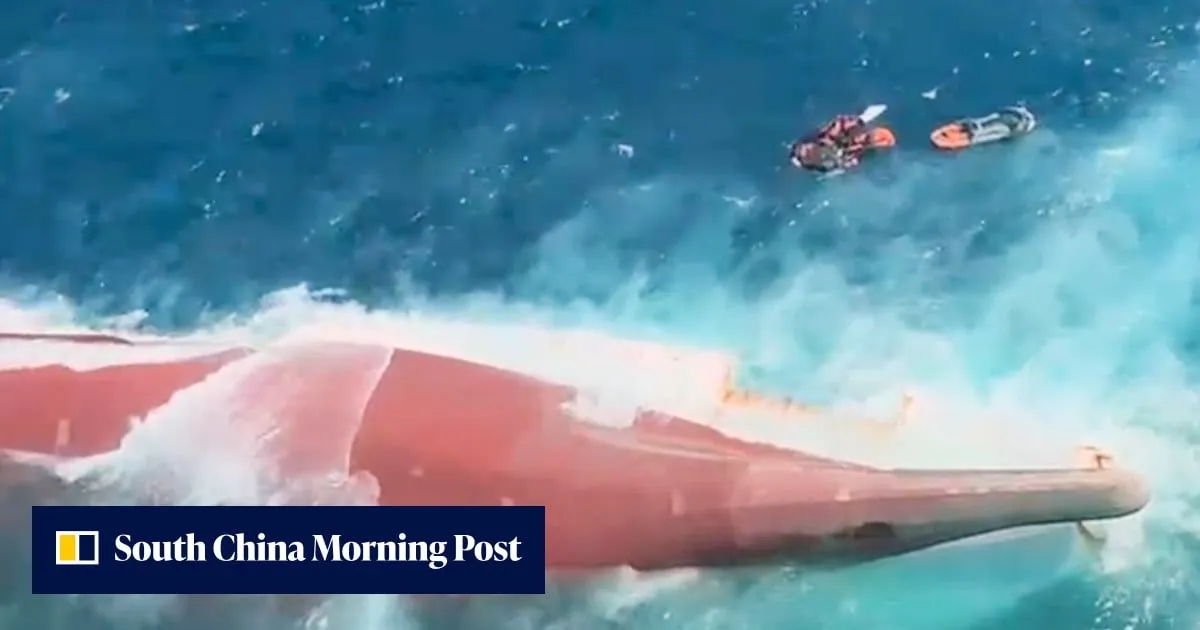
Indonesia’s latest ferry disaster has exposed persistent weaknesses in maritime safety oversight, experts have said, with poor enforcement and inadequate supervision continuing to leave passengers vulnerable across the sprawling archipelago.The capsizing of the Virgo Transport 8 in the Java Sea on Sunday has intensified scrutiny of a system that analysts say too often comes under pressure only after deadly accidents, rather than preventing them.Six people have been confirmed dead and 129 remain missing after the passenger and cargo ferry capsized amid high winds and rough seas while travelling from Surabaya in East Java to Banjarmasin in South Kalimantan.According to Indonesia’s Search and Rescue Agency, 243 people – 213 passengers and 30 crew members – were aboard the vessel when the captain reported bad weather at about 2am local time on September 13.
SRCSouth China Morning Post
LANGEN
LEANCenter-Right
WORDS132
ENT10
THU · 2026-09-17 · 09:30 GMTBRIEF NSR-2026-0917-111952
NSR-2026-0917-111952News Report·EN·Human Interest
Indonesia faces reckoning over maritime safety after deadly ferry disaster
Indonesia is facing renewed scrutiny over its maritime safety following the capsizing of the Virgo Transport 8 ferry in the Java Sea on Sunday, September 13th. The disaster, which resulted in six confirmed deaths and 129 missing, has highlighted persistent weaknesses in the country's maritime safety oversight.
Aisyah LlewellynSouth China Morning PostFiled 2026-09-17 · 09:30 GMTLean · Center-RightRead · 1 min
South China Morning PostFIG 01
Reading time
1min
Word count
132words
Sources cited
1cited
Entities identified
10entities
Quality score
100%
§ 01
Briefing Summary
AI-generatedNEWSAR · AI
Indonesia is facing renewed scrutiny over its maritime safety following the capsizing of the Virgo Transport 8 ferry in the Java Sea on Sunday, September 13th. The disaster, which resulted in six confirmed deaths and 129 missing, has highlighted persistent weaknesses in the country's maritime safety oversight. Experts and analysts point to poor enforcement and inadequate supervision as ongoing issues that leave passengers vulnerable. The ferry, carrying 213 passengers and 30 crew, capsized due to high winds and rough seas while en route from Surabaya to Banjarmasin. This incident intensifies focus on a system that is often only pressured to act after fatal accidents occur, rather than proactively preventing them.
Confidence 0.85Sources 1Claims 4Entities 10
§ 02
Article analysis
Model · rule-basedFraming
Human Interest
Legal & Judicial
Tone
Mixed Tone
AI-assessed
CalmNeutralAlarmist
Factuality
0.70 / 1.00
Factual
LowHigh
Sources cited
1
Limited
FewMany
§ 03
Key claims
4 extracted01
243 people were aboard the vessel when the captain reported bad weather.
statisticIndonesia’s Search and Rescue Agency
Confidence
1.00
02
Six people have been confirmed dead and 129 remain missing after the passenger and cargo ferry capsized.
statisticIndonesia’s Search and Rescue Agency
Confidence
1.00
03
The capsizing of the Virgo Transport 8 in the Java Sea on Sunday has intensified scrutiny of a system that analysts say too often comes under pressure only after deadly accidents.
factualanalysts
Confidence
0.85
04
Indonesia's latest ferry disaster has exposed persistent weaknesses in maritime safety oversight.
factualexperts
Confidence
0.80
§ 04
Full report
1 min read · 132 words§ 05
Entities
10 identifiedKey playerOppositionContextPositiveNeutralNegative
Organizations2
Locations6
§ 06
Keywords & salience
10 termsferry disaster
1.00
maritime safety
1.00
indonesia
0.90
safety oversight
0.80
poor enforcement
0.70
inadequate supervision
0.70
archipelago
0.60
java sea
0.50
high winds
0.40
rough seas
0.40
§ 07
Topic connections
Interactive graph No topic relationship data available yet. This graph will appear once topic relationships have been computed.