Japan’s wartime kamikaze pilots remain among the most recognisable symbols of the Pacific war: young men flying aircraft into Allied ships on missions from which they were not expected to return.Far less well-remembered are the fukuryu – suicide frogmen trained in the closing months of World War II to walk into the sea with mines on bamboo poles, then wait beneath the waves for an Allied invasion fleet.Kanade Hamamoto was one of many Japanese people who had never heard of them, despite spending years on the same stretch of coast where they once trained.The 25-year-old photographer knew Inamuragasaki, on the Shonan coast south of Tokyo, only as a scenic seaside spot until a friend mentioned that the remains of a military base could still be seen near the cape, in tunnels cut into the cliff face.
SRCSouth China Morning Post
LANGEN
LEANCenter-Right
WORDS136
ENT9
SAT · 2026-09-19 · 01:30 GMTBRIEF NSR-2026-0919-112419
NSR-2026-0919-112419News Report·EN·Human Interest
Crouching dragons: the suicide divers Japan never sent to war
During the final months of World War II, Japan trained a lesser-known suicide unit called the fukuryu, or frogmen. These individuals were prepared to walk into the sea carrying mines attached to bamboo poles, intending to wait submerged for an approaching Allied invasion fleet.
Julian RyallSouth China Morning PostFiled 2026-09-19 · 01:30 GMTLean · Center-RightRead · 1 min
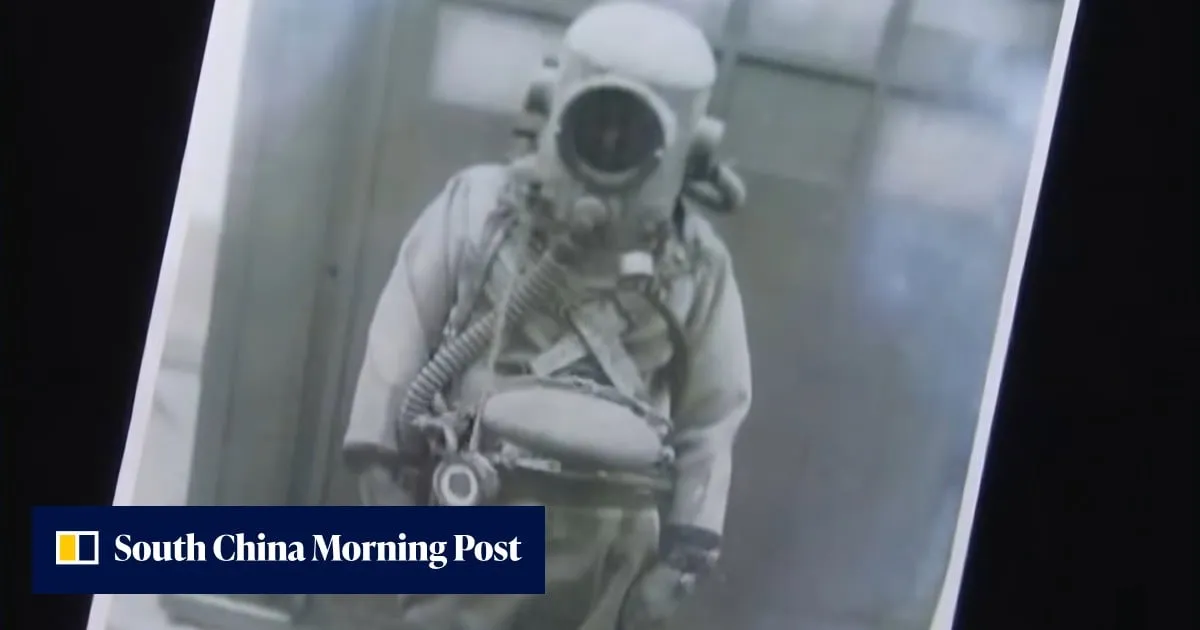
South China Morning PostFIG 01
Reading time
1min
Word count
136words
Sources cited
1cited
Entities identified
9entities
Quality score
100%
§ 01
Briefing Summary
AI-generatedNEWSAR · AI
During the final months of World War II, Japan trained a lesser-known suicide unit called the fukuryu, or frogmen. These individuals were prepared to walk into the sea carrying mines attached to bamboo poles, intending to wait submerged for an approaching Allied invasion fleet. Many Japanese people, like photographer Kanade Hamamoto, were unaware of the fukuryu's existence, even in areas where they trained. Hamamoto discovered remnants of a military base, including tunnels in cliff faces, near Inamuragasaki on the Shonan coast, a location she previously knew only as a scenic spot.
Confidence 0.85Sources 1Claims 4Entities 9
§ 02
Article analysis
Model · rule-basedFraming
Human Interest
Conflict
Tone
Measured
AI-assessed
CalmNeutralAlarmist
Factuality
0.70 / 1.00
Factual
LowHigh
Sources cited
1
Limited
FewMany
§ 03
Key claims
4 extracted01
Kanade Hamamoto, a 25-year-old photographer, had never heard of the fukuryu despite living near their training coast.
quoteKanade Hamamoto
Confidence
1.00
02
The fukuryu were suicide frogmen trained in WWII to wait beneath the waves with mines on bamboo poles for an Allied invasion fleet.
factual
Confidence
1.00
03
Japan's wartime kamikaze pilots are recognizable symbols of the Pacific war.
factual
Confidence
1.00
04
Remains of a military base, including tunnels cut into a cliff face, can still be seen near Inamuragasaki.
factual
Confidence
0.90
§ 04
Full report
1 min read · 136 words§ 05
Entities
9 identifiedKey playerOppositionContextPositiveNeutralNegative
People1
Locations4
§ 06
Keywords & salience
10 termsfukuryu
1.00
suicide frogmen
1.00
kamikaze pilots
1.00
world war ii
0.90
pacific war
0.80
bamboo poles
0.70
mines
0.60
invasion fleet
0.50
shonan coast
0.40
military base
0.40
§ 07
Topic connections
Interactive graph Network visualization showing 51 related topics
View Full Graph Person Organization Location Event|Click node to navigate|Edge numbers = shared articles