The European Commission is pressing China for progress by next month to address the widening EU-China trade imbalance, and raising the possibility of new protectionist trade policy. The deadline raises a question: how should China and its trading partners address perceived economic imbalances while sharing the benefits of Chinese industrial competitiveness?China’s merchandise trade surplus approached US$1.2 trillion last year even as other exporting economies press for controls. “overcapacity” is accepted as the blanket explanation for China’s industrial success, with government support leading to a production glut.But this framing obscures more than it clarifies. China’s success is multifaceted, given the vast scale of its ecosystem, intense domestic competition and dense supplier networks. An effective response must distinguish between genuine imbalances and the productive advantages that offer opportunities for cooperation.China’s car industry showcases the strength of its competitive edge. The International Energy Agency found that while making an electric car costs 30 per cent less in China than in advanced economies, only about one-third of that difference is due to batteries. Furthermore, the gap for conventional vehicles is similar.China’s advantage is embedded in its manufacturing system rather than being the product of government subsidies.Research by Rhodium Group makes the point clearly. It estimates that Chinese carmaker BYD enjoys a cost advantage of about US$4,700 per vehicle over Tesla’s Chinese operations. Direct grants account for only around US$292; the bulk of the advantage is due to vertical integration and lower research, administrative and supplier costs.
SRCSouth China Morning Post
LANGEN
LEANCenter-Right
WORDS242
ENT10
THU · 2026-09-24 · 21:30 GMTBRIEF NSR-2026-0924-113890
NSR-2026-0924-113890Analysis·EN·Economic Impact
China’s industrial strengths must also benefit its trading partners
The European Commission has set a deadline for next month, demanding China address its widening trade imbalance with the EU and threatening protectionist measures. China's merchandise trade surplus neared $1.2 trillion last year, prompting other economies to seek controls.
Wang HuiyaoSouth China Morning PostFiled 2026-09-24 · 21:30 GMTLean · Center-RightRead · 1 min
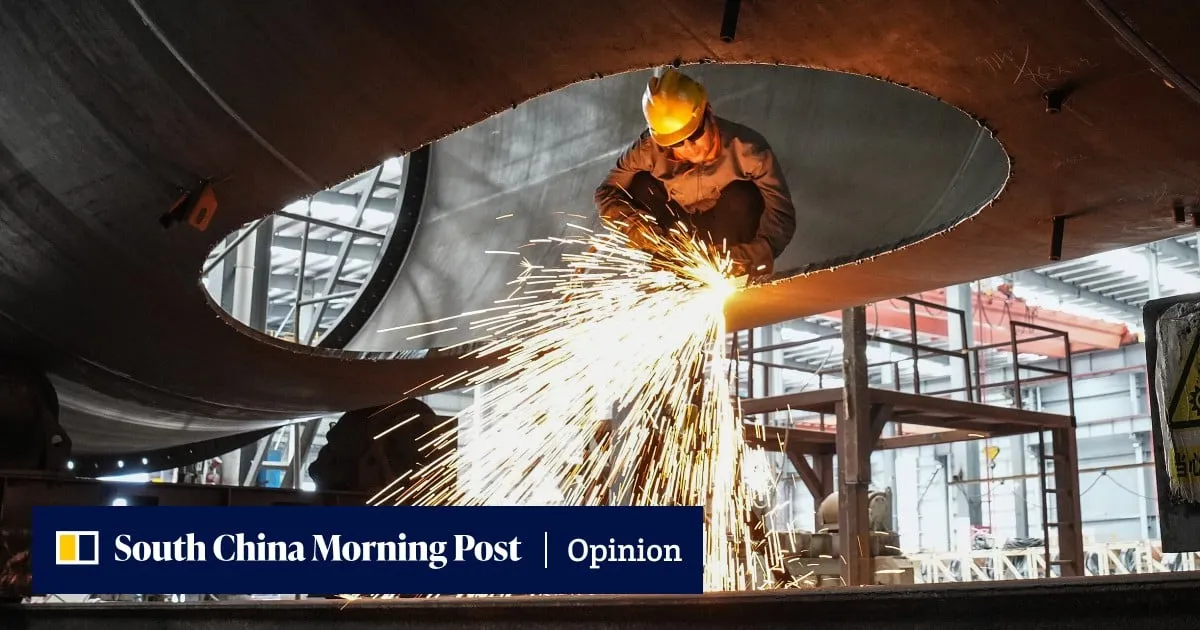
South China Morning PostFIG 01
Reading time
1min
Word count
242words
Sources cited
2cited
Entities identified
10entities
Quality score
100%
§ 01
Briefing Summary
AI-generatedNEWSAR · AI
The European Commission has set a deadline for next month, demanding China address its widening trade imbalance with the EU and threatening protectionist measures. China's merchandise trade surplus neared $1.2 trillion last year, prompting other economies to seek controls. While "overcapacity" is cited as a reason for China's industrial success, the article argues this explanation is too simplistic. China's competitiveness stems from its large ecosystem, domestic competition, and supplier networks, not solely government subsidies. The Chinese auto industry, for example, has a significant cost advantage due to its integrated manufacturing system, with direct grants accounting for a small portion of this difference.
Confidence 0.90Sources 2Claims 5Entities 10
§ 02
Article analysis
Model · rule-basedFraming
Economic Impact
Diplomatic
Tone
Measured
AI-assessed
CalmNeutralAlarmist
Factuality
0.70 / 1.00
Factual
LowHigh
Sources cited
2
Limited
FewMany
§ 03
Key claims
5 extracted01
China’s merchandise trade surplus approached US$1.2 trillion last year.
statistic
Confidence
0.95
02
Chinese carmaker BYD enjoys a cost advantage of about US$4,700 per vehicle over Tesla’s Chinese operations, with direct grants accounting for only around US$292.
statisticRhodium Group
Confidence
0.90
03
Making an electric car costs 30 per cent less in China than in advanced economies, with only about one-third of that difference due to batteries.
statisticInternational Energy Agency
Confidence
0.90
04
The European Commission is pressing China for progress by next month to address the widening EU-China trade imbalance, raising the possibility of new protectionist trade policy.
factualEuropean Commission
Confidence
0.90
05
Overcapacity is accepted as the blanket explanation for China’s industrial success, with government support leading to a production glut.
factual
Confidence
0.80
§ 04
Full report
1 min read · 242 words§ 05
Entities
10 identifiedKey playerOppositionContextPositiveNeutralNegative
Organizations6
Locations1
§ 06
Keywords & salience
10 termstrade imbalance
1.00
industrial competitiveness
0.90
overcapacity
0.80
manufacturing system
0.70
electric vehicles
0.60
eu-china trade
0.50
vertical integration
0.50
byd
0.40
tesla
0.40
government support
0.40
§ 07
Topic connections
Interactive graph Network visualization showing 51 related topics
View Full Graph Person Organization Location Event|Click node to navigate|Edge numbers = shared articles