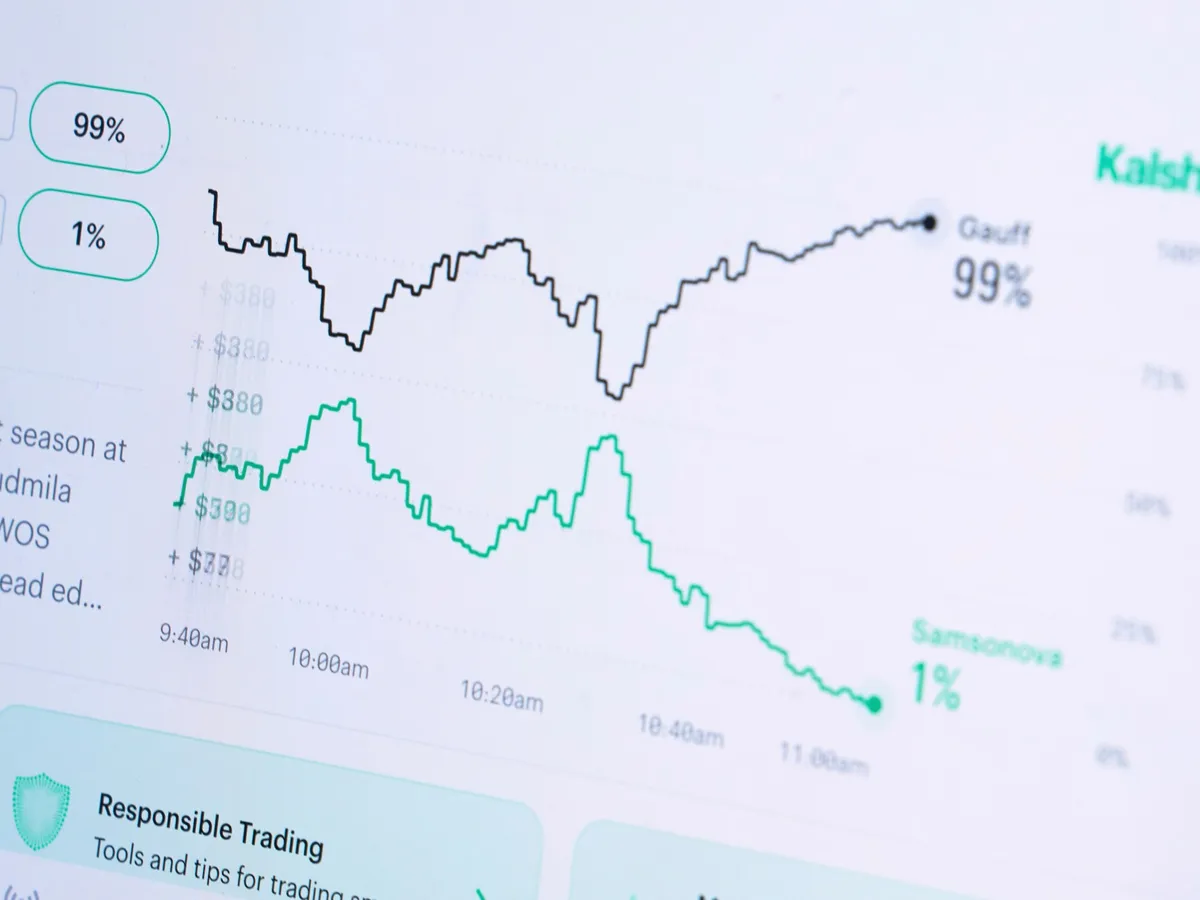
US appeals courts have varied on the regulation of prediction markets, opening the door to US Supreme Court debate.A United States appeals court has found that states can regulate prediction markets, ruling against a bid by the company Kalshi to exempt so-called event contracts from state gambling laws.The Friday ruling by the 6th US Circuit Court of Appeals in Cincinnati is the latest in an unfolding debate about oversight of prediction markets, whose explosive growth has prompted ethical and regulatory questions.Recommended Stories list of 3 itemslist 1 of 3New York, Polymarket file dueling lawsuits amid illegal gambling claimslist 2 of 3‘The family paid the price’: India’s deadly online gambling crisislist 3 of 3Landmark trial on Meta’s impact on children’s mental health begins in USend of listThe decision also deepens a divide among federal appeals courts regarding the authority of state and federal regulators to regulate such markets, opening up the possibility that the US Supreme Court could weigh in on the matter.Two other federal appeals courts have previously addressed questions of whether prediction markets are subject to state gambling laws. The 9th Circuit in San Francisco ruled last month that Kalshi’s event contracts are subject to Nevada’s gambling laws, while the 3rd Circuit in Philadelphia said in April that Kalshi’s contracts are not subject to New Jersey’s.In Friday’s ruling, Judge Julia Smith Gibbons wrote for the unanimous three-judge panel that Ohio and Tennessee can regulate event contracts under their gambling laws.prediction markets have become increasingly popular in the US. They allow users to place bets on everything from sporting events and presidential elections to cultural developments and the prospects of a deal between the US and Iran on the latter’s nuclear programme.Experts have raised concerns about the proliferation of prediction markets and betting apps, especially for young people.
SRCAl Jazeera
LANGEN
LEANCenter
WORDS298
ENT12
FRI · 2026-09-25 · 23:56 GMTBRIEF NSR-2026-0926-114175
NSR-2026-0926-114175News Report·EN·Legal & Judicial
US court rules against Kalshi, says states can regulate prediction markets
A US appeals court has ruled that states can regulate prediction markets, rejecting a company's attempt to exempt event contracts from state gambling laws. The 6th US Circuit Court of Appeals in Cincinnati found that Ohio and Tennessee can regulate these contracts, a decision that deepens a split among federal appeals courts on the issue.
Al Jazeera StaffAl JazeeraFiled 2026-09-25 · 23:56 GMTLean · CenterRead · 2 min
Al JazeeraFIG 01
Reading time
2min
Word count
298words
Sources cited
0cited
Entities identified
12entities
Quality score
100%
§ 01
Briefing Summary
AI-generatedNEWSAR · AI
A US appeals court has ruled that states can regulate prediction markets, rejecting a company's attempt to exempt event contracts from state gambling laws. The 6th US Circuit Court of Appeals in Cincinnati found that Ohio and Tennessee can regulate these contracts, a decision that deepens a split among federal appeals courts on the issue. This divergence, with other circuits having issued conflicting rulings regarding Nevada and New Jersey, now opens the possibility of the US Supreme Court addressing the matter. Prediction markets, which allow users to bet on various events, have seen significant growth, raising regulatory and ethical questions.
Confidence 0.90Claims 5Entities 12
§ 02
Article analysis
Model · rule-basedFraming
Legal & Judicial
Technology
Tone
Measured
AI-assessed
CalmNeutralAlarmist
Factuality
0.80 / 1.00
Factual
LowHigh
Sources cited
0
No named sources
FewMany
§ 03
Key claims
5 extracted01
Prediction markets allow users to bet on diverse events, from sports to political outcomes and international relations.
factual
Confidence
1.00
02
Previous rulings from the 9th Circuit (Kalshi subject to Nevada gambling laws) and 3rd Circuit (Kalshi not subject to New Jersey laws) conflict with the latest decision.
factual
Confidence
1.00
03
The 6th US Circuit Court of Appeals ruling deepens a divide among federal appeals courts on the regulation of prediction markets.
factual
Confidence
1.00
04
A US appeals court ruled that states can regulate prediction markets, rejecting Kalshi's bid to exempt event contracts from state gambling laws.
factual
Confidence
1.00
05
Experts express concerns about the proliferation of prediction markets and betting apps, particularly for young people.
factualExperts
Confidence
0.90
§ 04
Full report
2 min read · 298 words§ 05
Entities
12 identifiedKey playerOppositionContextPositiveNeutralNegative
Organizations5
Locations6
§ 06
Keywords & salience
8 termsprediction markets
1.00
state regulation
0.90
gambling laws
0.80
kalshi
0.70
appeals court
0.60
event contracts
0.50
us supreme court
0.50
regulatory questions
0.40
§ 07
Topic connections
Interactive graph Network visualization showing 51 related topics
View Full Graph Person Organization Location Event|Click node to navigate|Edge numbers = shared articles