Tokyo police have arrested the suspected head of one of Japan’s largest tokuryu organised crime groups after a year-long manhunt, but analysts have warned that such gangs are typically resilient and can operate without their leaders.Horaki Obata, 40, was arrested on Monday on the island of Amami in Kagoshima prefecture in southern Japan following a tip-off, police said.Obata is accused of leading Natural, a tokuryu that scouts women on the streets of Tokyo for the sex industry. He has denied the charges against him and chosen to remain silent, according to a report by Fuji News Network.Short for tokumei ryudo, or anonymous and fluid, tokuryu are a relatively recent phenomenon in Japan’s underworld. The term was first used by the country’s National Police Agency to describe loose networks that have emerged over the past decade as authorities tightened laws aimed at crippling traditional yakuza syndicates.In contrast to the yakuza of old, which traditionally have a hierarchy and adhere to strict codes of conduct, tokuryu have little in the way of hierarchies, are flexible, and use technology to recruit members and communicate. This new approach to organised crime is seeing tokuryu edge their predecessors out, although there is still a degree of collaboration in some areas between the two criminal groups.According to police, Obata paid members of a subgroup of the Yamaguchi-gumi gang – a leading yakuza organisation – 600,000 yen (US$3,930) in cash in return for allowing his scouts to approach women in Tokyo’s Shibuya district.
SRCSouth China Morning Post
LANGEN
LEANCenter-Right
WORDS246
ENT4
THU · 2026-01-29 · 04:00 GMTBRIEF NSR-2026-0129-11498
NSR-2026-0129-11498News Report·EN·Legal & Judicial
Japan’s ‘new-wave yakuza’: tokuryu gangs take control of lucrative sex business
Japanese police arrested Horaki Obata, the suspected leader of the tokuryu gang Natural, after a year-long search. Tokuryu, meaning "anonymous and fluid," are a relatively new type of organized crime group in Japan that emerged due to stricter laws targeting traditional yakuza.
Julian RyallSouth China Morning PostFiled 2026-01-29 · 04:00 GMTLean · Center-RightRead · 1 min
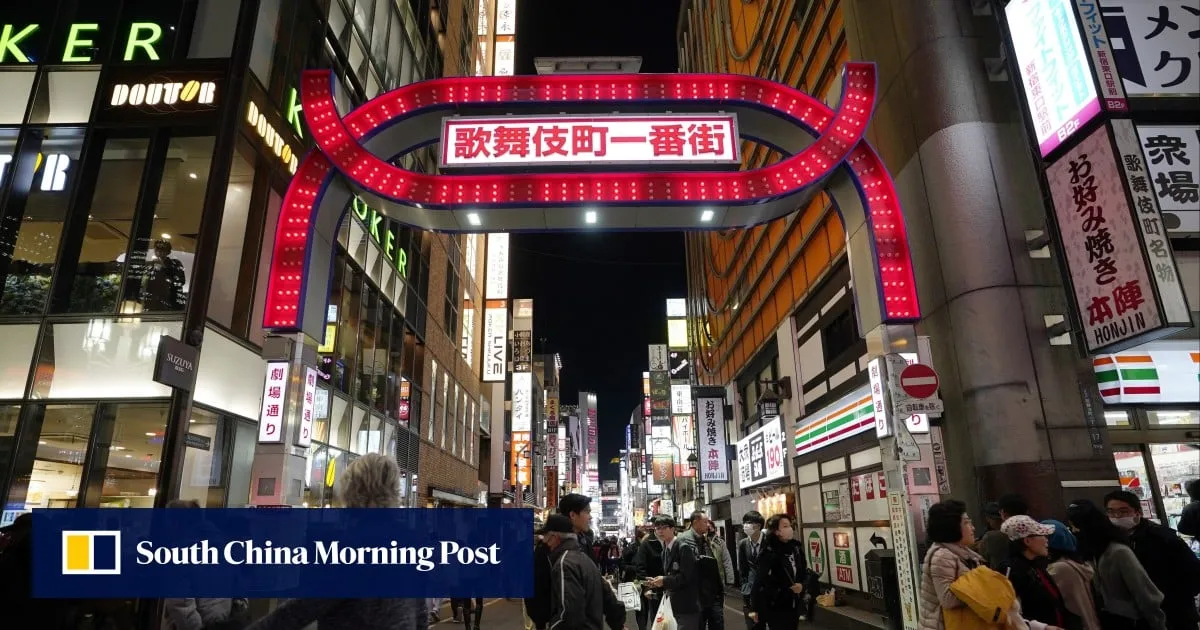
South China Morning PostFIG 01
Reading time
1min
Word count
246words
Sources cited
3cited
Entities identified
4entities
Quality score
100%
§ 01
Briefing Summary
AI-generatedNEWSAR · AI
Japanese police arrested Horaki Obata, the suspected leader of the tokuryu gang Natural, after a year-long search. Tokuryu, meaning "anonymous and fluid," are a relatively new type of organized crime group in Japan that emerged due to stricter laws targeting traditional yakuza. Unlike the hierarchical yakuza, tokuryu are loosely organized, flexible, and utilize technology for recruitment and communication. Natural, led by Obata, allegedly scouts women for the sex industry in Tokyo and reportedly paid a subgroup of the Yamaguchi-gumi yakuza for access to the Shibuya district. Analysts warn that tokuryu gangs are resilient and can operate even without their leaders.
Confidence 0.90Sources 3Claims 5Entities 4
§ 02
Article analysis
Model · rule-basedFraming
Legal & Judicial
Economic Impact
Tone
Mixed Tone
AI-assessed
CalmNeutralAlarmist
Factuality
0.80 / 1.00
Factual
LowHigh
Sources cited
3
Well sourced
FewMany
§ 03
Key claims
5 extracted01
Obata paid members of a subgroup of the Yamaguchi-gumi gang 600,000 yen (US$3,930) in cash.
factualpolice
Confidence
1.00
02
Tokuryu are loose networks that have emerged over the past decade as authorities tightened laws aimed at crippling traditional yakuza syndicates.
factualNational Police Agency
Confidence
1.00
03
Obata is accused of leading Natural, a tokuryu that scouts women on the streets of Tokyo for the sex industry.
factualpolice
Confidence
1.00
04
Horaki Obata, 40, was arrested on Monday on the island of Amami in Kagoshima prefecture.
factualpolice
Confidence
1.00
05
Analysts have warned that such gangs are typically resilient and can operate without their leaders.
quoteanalysts
Confidence
0.80
§ 04
Full report
1 min read · 246 words§ 05
Entities
4 identifiedKey playerOppositionContextPositiveNeutralNegative
Organizations1
§ 06
Keywords & salience
8 termstokuryu
1.00
yakuza
0.80
organized crime
0.70
sex industry
0.60
gangs
0.60
crime groups
0.50
japan
0.50
police
0.40
§ 07
Topic connections
Interactive graph Network visualization showing 51 related topics
View Full Graph Person Organization Location Event|Click node to navigate|Edge numbers = shared articles