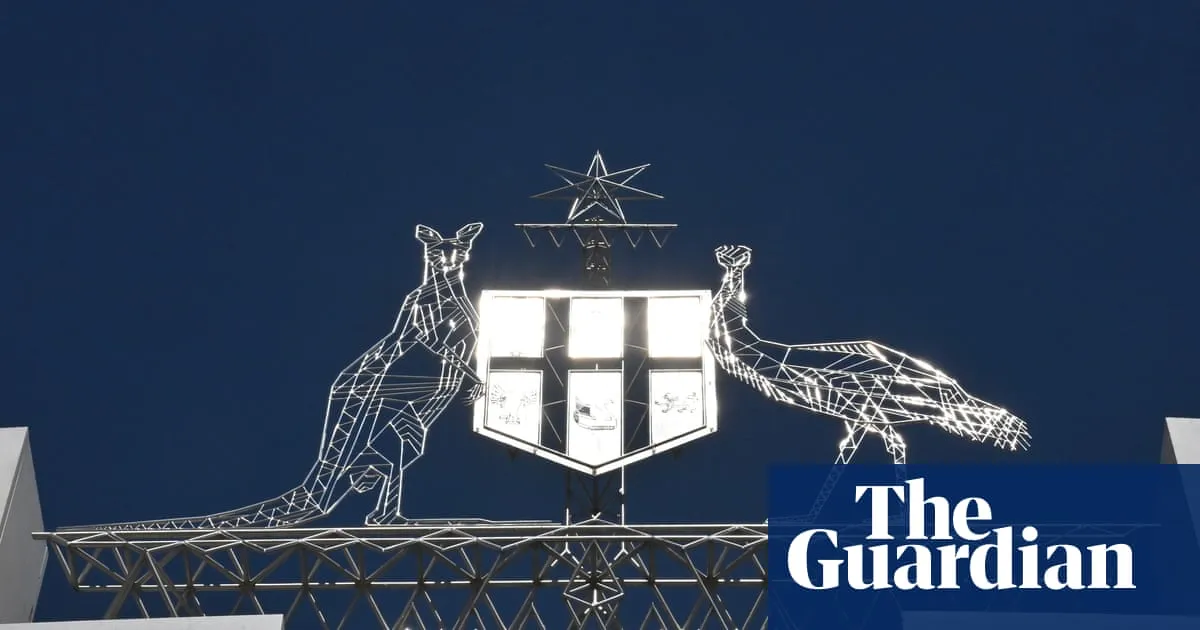
The generous remuneration of 11 Australian public servants employed at the Future Fund has been criticised as insulting during a cost-of-living crisis and amid job cuts across the public service. Photograph: Mick Tsikas/AAP View image in fullscreen The generous remuneration of 11 Australian public servants employed at the Future Fund has been criticised as insulting during a cost-of-living crisis and amid job cuts across the public service. Photograph: Mick Tsikas/AAP Million-dollar public servants: 11 staff at Australia’s Future Fund paid significantly more than the PM One executive received a $1.5m package last year, while 10 other staff received remuneration exceeding $1m each Get our breaking news email, free app or daily news podcast Nearly a dozen federal public servants were paid more than $1m last year, with one receiving a $1.5m package worth more than double Anthony Albanese’s base salary. The generous remuneration – which includes bonuses and allowances – has been criticised as insulting during a cost-of-living crisis and amid job cuts across the public service. The 11 staff are employed by Australia’s sovereign wealth fund, the Future Fund, and have direct oversight and responsibility for its investments, worth $350bn. One Future Fund manager employed at an “executive level 2” rank was paid $1.5m of taxpayer money last year, which is significantly more than the prime minister’s $622,000 salary. All 11 staff are paid more than federal cabinet ministers and all but one department secretary, including the heads of Australia’s domestic intelligence agency and the Federal Police. Their pay emerged after Greens senator Barbara Pocock asked the minister for the public service, Katy Gallagher, to justify the high remuneration in a question on notice in August. A response from Gallagher’s office, tabled in parliament this week, said the fund operated in a “highly competitive global market” and the generous wages were needed to attract the best possible talent. “The Future Fund delivered a return of 14.8% in the 12 months to June 2026, adding $37.4bn to increase the value of the investment portfolio to over $350bn,” the spokesperson said. In the private sector, senior managers at major Australian banks commonly receive annual bonuses of more than $1m. But these salaries remain controversial with shareholders. The spokesperson said the salaries were within government rules that state performance bonuses can only be used in limited circumstances. “This includes positions that involve significant, at-risk investment outcomes and for Commonwealth entities and companies whose primary purpose is to operate in commercial markets – both of which apply to the Future Fund.” Pocock was not satisfied by the response, and said “most taxpayers would be questioning if these payments are good value for money”. “In a cost-of-living crisis, Australians are suffering and many would be outraged to learn that a dozen public servants are earning over a million dollars, and in some cases double what the prime minister earns,” said Pocock. “What kind of public service work warrants a salary of $1m or 1.5m dollars? We’re not talking about secretaries running government departments but employees. How can the government justify this?” It comes amid budget pressures that last month resulted in the National Disability Insurance Agency announcing voluntary redundancies for the first time since its 2013 creation. Several other government departments have also announced job cuts in recent months, including in the prime minister’s own department, home affairs and the Department of Climate Change, Energy, the Environment and Water. In December, the Future Fund was criticised for spending $20,000 to send the chief executive’s then-assistanct on a scoping trop to assess hotels in the US and negotiate rates. The fund told a Senate estimates hearing the trip led to annual savings of $30,000. The executive assistant and another person flew business class to the US. 2:50 Future Fund CEO questioned over staffer’s $20,000 US hotel scoping trip – video Explore more on these topics Australian politics Breaking News Australia Australian economy news Share Reuse this content
SRCThe Guardian - World News
LANGEN
LeanCenter-Left
WORDS652
ENT10
THU · 2026-10-01 · 15:00 GMTBRIEF NSR-2026-1001-115576
NSR-2026-1001-115576News Report·EN·Economic Impact
Million-dollar public servants: 11 staff at Australia’s Future Fund paid significantly more than the PM
Eleven staff at Australia's Future Fund were paid over $1 million last year, with one executive receiving a $1.5 million package, significantly more than the Prime Minister's salary. This remuneration, which includes bonuses and allowances, has drawn criticism as insulting during a cost-of-living crisis and amid public service job cuts.
Henry BelotThe Guardian - World NewsFiled 2026-10-01 · 15:00 GMTLean · Center-LeftRead · 3 min
The Guardian - World NewsFIG 01
Reading time
3min
Word count
652words
Sources cited
2cited
Entities identified
10entities
NEWSAR · AI
Eleven staff at Australia's Future Fund were paid over $1 million last year, with one executive receiving a $1.5 million package, significantly more than the Prime Minister's salary. This remuneration, which includes bonuses and allowances, has drawn criticism as insulting during a cost-of-living crisis and amid public service job cuts. The Future Fund stated these high salaries are necessary to attract top talent in a competitive global market, highlighting the fund's strong investment returns. Greens senator Barbara Pocock questioned the value for money of these payments, while the government defended them as appropriate for roles with significant, at-risk investment outcomes in commercial markets.
Confidence 0.90Sources 2Claims 5Entities 10
Framing
Economic Impact
Social Justice
Tone
Mixed Tone
AI-assessed
CalmNeutralAlarmist
Factuality
0.70 / 1.00
Factual
LowHigh
Sources cited
2
Limited
FewMany
01
Taxpayers may question if these payments are good value for money.
quoteBarbara Pocock
Confidence
1.00
02
The Future Fund operates in a 'highly competitive global market' and needs high wages to attract talent.
quoteFuture Fund spokesperson
Confidence
1.00
03
The Future Fund delivered a return of 14.8% in the 12 months to June 2026, adding $37.4bn.
statisticFuture Fund spokesperson
Confidence
1.00
04
11 staff at Australia's Future Fund were paid over $1m last year, with one receiving $1.5m.
statistic
Confidence
1.00
05
The high remuneration is criticized as insulting during a cost-of-living crisis and amid public service job cuts.
factual
Confidence
0.90
§ 04
Full report
3 min read · 652 wordsKey playerOppositionContextPositiveNeutralNegative
People3
Organizations3
Locations1
public servant remuneration
1.00
future fund
1.00
cost-of-living crisis
0.90
sovereign wealth fund
0.80
high salaries
0.70
taxpayer money
0.60
performance bonuses
0.50
global market
0.40
§ 07
Connections
Who appears together in the newsIn this articleWider coverageLine weight = articles in common
Laying out network…
Strongest ties articles in common
- 409
- 12
- 4
- 3
- 3
- 3
Recurring context not named in this article
- LUnited Stateslinks 5
- LSydneylinks 4
- LIranlinks 3
- LBondi Beachlinks 3
- LMiddle Eastlinks 3
- LEnglandlinks 3
- OOne Nationlinks 3
- TArtificial Intelligencelinks 3