Judge says she won’t halt the immigration enforcement surge in Minnesota as a lawsuit proceeds 1 of 2 | A photo of Renee Good is displayed in front of a home on Saturday, Jan. 31, 2026, in Minneapolis. (AP Photo/Alex Brandon) 2 of 2 | Flowers and photos are left at a memorial site for Renee Good on Saturday, Jan. 31, 2026, in Minneapolis. (AP Photo/Alex Brandon) 1 of 2 A photo of Renee Good is displayed in front of a home on Saturday, Jan. 31, 2026, in Minneapolis. (AP Photo/Alex Brandon) Add AP News on Google Add AP News as your preferred source to see more of our stories on Google. 2 of 2 Flowers and photos are left at a memorial site for Renee Good on Saturday, Jan. 31, 2026, in Minneapolis. (AP Photo/Alex Brandon) Add AP News on Google Add AP News as your preferred source to see more of our stories on Google. Updated [hour]:[minute] [AMPM] [timezone], [monthFull] [day], [year] A federal judge says she won’t halt the immigration enforcement surge in Minnesota and the Twin Cities as a lawsuit over it proceeds.Judge Katherine M. Menendez on Saturday denied a preliminary injunction sought in a lawsuit filed this month by state Attorney General Keith Ellison and the mayors of Minneapolis and St. Paul.It argued that the Department of Homeland Security is violating constitutional protections. The lawsuit sought a quick order to halt the enforcement action or limit its scope. Lawyers with the U.S. Department of Justice have called the lawsuit “legally frivolous.”The ruling on the injunction focused on the argument by Minnesota officials that the federal government is violating the Constitution’s 10th Amendment, which limits the federal government’s powers to infringe on the sovereignty of states. In her ruling, the judge relied heavily on whether that argument was likely to ultimately succeed in court. The federal government argued that the surge, dubbed Operation Metro Surge, is necessary in its effort to take criminal immigrants off the streets and because federal efforts have been hindered by state and local “sanctuary laws and policies.” State and local officials argued that the surge amounts to retaliation after the federal government’s initial attempts to withhold federal funding to try to force immigration cooperation failed. They also maintain that the surge has amounted to an unconstitutional drain on state and local resources, noting that schools and businesses have been shuttered in the wake of what local officials say are aggressive, poorly trained and armed federal officers. “Because there is evidence supporting both sides’ arguments as to motivation and the relative merits of each side’s competing positions are unclear, the Court is reluctant to find that the likelihood-of-success factor weighs sufficiently in favor of granting a preliminary injunction,” the judge said in the ruling. The judge also said she was influenced by the government’s recent victory at the 8th U.S. Circuit Court of Appeals. The court had set aside her decision putting limits on the use of force by immigration officers against peaceful Minnesota protesters.“If that injunction went too far, then the one at issue here — halting the entire operation — certainly would,” Menendez said.U.S. Attorney General Pam Bondi took to social media Saturday to laud the ruling, calling it “another HUGE” legal win for the Justice Department on X.Minneapolis Mayor Jacob Frey said in a statement that he was disappointed by the ruling.“This decision doesn’t change what people here have lived through — fear, disruption, and harm caused by a federal operation that never belonged in Minneapolis in the first place,” Frey said. “This operation has not brought public safety. It’s brought the opposite and has detracted from the order we need for a working city. It’s an invasion, and it needs to stop.”Neither the Minnesota Attorney General’s office nor attorneys for the city of St. Paul immediately answered questions left Saturday in phone and email messages seeking comment. The state, and particularly the city of Minneapolis, has been on edge after federal officers fatally shot two people on the streets of Minneapolis: Renee Good on Jan. 7 and Alex Pretti on Jan. 24. Thousands of people have taken to the streets to protest the federal action in Minnesota and across the country.AP writer Ed White contributed to this report from Detroit.
SRCAssociated Press (AP)
LANGEN
LEANCenter
WORDS712
ENT9
SAT · 2026-01-31 · 17:53 GMTBRIEF NSR-2026-0131-12254
NSR-2026-0131-12254News Report·EN·Legal & Judicial
Judge says she won’t halt the immigration enforcement surge as a lawsuit proceeds
A federal judge in Minnesota has denied a request to halt the ongoing immigration enforcement surge, known as Operation Metro Surge, in the state and the Twin Cities. The lawsuit, filed by Minnesota Attorney General Keith Ellison and the mayors of Minneapolis and St.
By
MARGERY A. BECKAssociated Press (AP)Filed 2026-01-31 · 17:53 GMTLean · CenterRead · 3 min
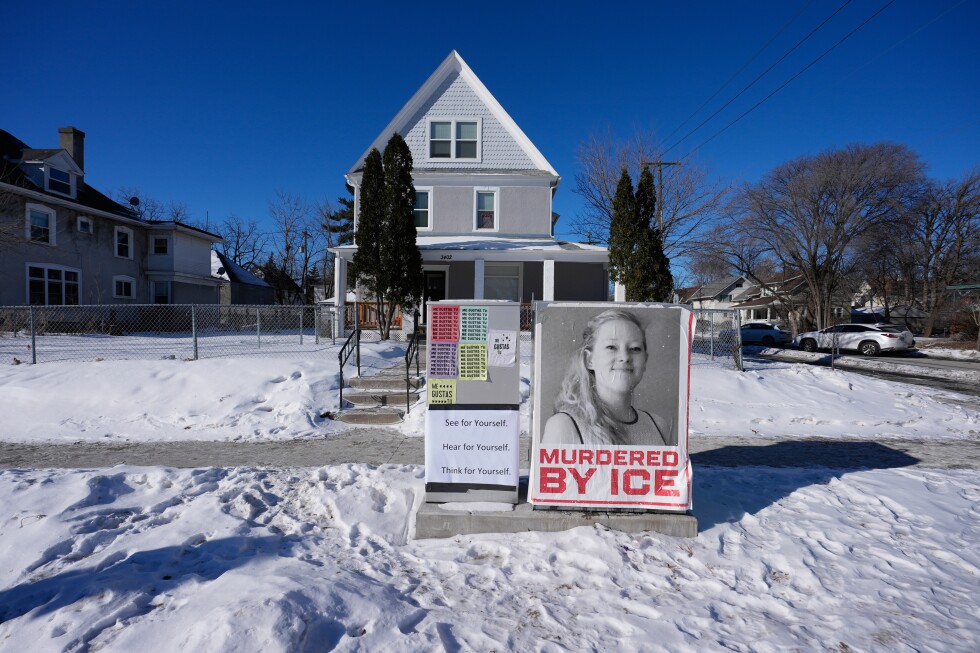
Associated Press (AP)FIG 01
Reading time
3min
Word count
712words
Sources cited
3cited
Entities identified
9entities
Quality score
100%
§ 01
Briefing Summary
AI-generatedNEWSAR · AI
A federal judge in Minnesota has denied a request to halt the ongoing immigration enforcement surge, known as Operation Metro Surge, in the state and the Twin Cities. The lawsuit, filed by Minnesota Attorney General Keith Ellison and the mayors of Minneapolis and St. Paul, alleges that the Department of Homeland Security is violating constitutional protections. The plaintiffs sought a preliminary injunction to immediately stop or limit the enforcement action. The judge's decision focused on the argument that the surge violates the 10th Amendment, limiting federal power over states. The federal government argues the surge is necessary to remove criminal immigrants, citing hindered efforts due to state and local "sanctuary" policies, while state and local officials claim it is retaliation for failed attempts to withhold federal funding and an unconstitutional drain on resources.
Confidence 0.90Sources 3Claims 5Entities 9
§ 02
Article analysis
Model · rule-basedFraming
Legal & Judicial
Political Strategy
Tone
Measured
AI-assessed
CalmNeutralAlarmist
Factuality
0.80 / 1.00
Factual
LowHigh
Sources cited
3
Well sourced
FewMany
§ 03
Key claims
5 extracted01
The federal government argued that the surge, dubbed Operation Metro Surge, is necessary to take criminal immigrants off the streets.
quoteFederal government
Confidence
1.00
02
Lawyers with the U.S. Department of Justice have called the lawsuit “legally frivolous.”
quoteU.S. Department of Justice
Confidence
1.00
03
The lawsuit argues that the Department of Homeland Security is violating constitutional protections.
quoteKeith Ellison and the mayors of Minneapolis and St. Paul
Confidence
1.00
04
State Attorney General Keith Ellison and the mayors of Minneapolis and St. Paul filed a lawsuit against the Department of Homeland Security.
factualArticle
Confidence
1.00
05
A federal judge won’t halt the immigration enforcement surge in Minnesota as a lawsuit proceeds.
factualArticle
Confidence
1.00
§ 04
Full report
3 min read · 712 words§ 05
Entities
9 identifiedKey playerOppositionContextPositiveNeutralNegative
Organizations2
Locations4
§ 06
Keywords & salience
9 termsimmigration enforcement surge
0.90
lawsuit
0.80
preliminary injunction
0.70
10th amendment
0.60
department of homeland security
0.60
constitutional protections
0.60
sanctuary laws
0.50
federal government
0.50
state sovereignty
0.40
§ 07
Topic connections
Interactive graph Network visualization showing 51 related topics
View Full Graph Person Organization Location Event|Click node to navigate|Edge numbers = shared articles