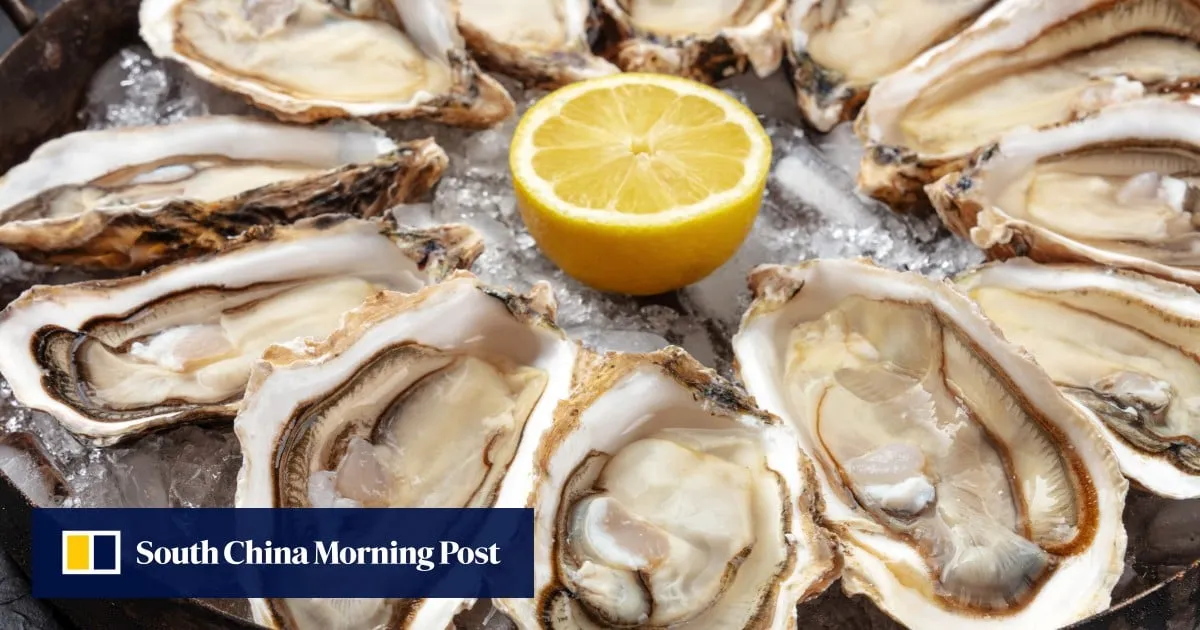
Following a wave of poisoning cases linked to raw oysters, the SCMP looks into the risks of consuming the bivalve shellfish and how to avoid illness1Published: 10:00am, 11 Feb 2026Updated: 11:07am, 11 Feb 2026Norovirus has fallen under the spotlight in Hong Kong following a series of food poisoning cases linked to raw oysters in eateries since January, with the latest incident added to the list taking place at the five-star Mandarin Oriental hotel.Between January 18 and Monday, the Centre for Health Protection recorded 37 food poisoning cases affecting 115 people. Of these, 33 cases – involving 101 individuals – were linked to Norovirus.Epidemiological findings showed that all those affected by Norovirus had eaten raw oysters during the incubation period. The centre has advised the public to avoid eating raw seafood.Authorities also ordered that the supply of raw oysters from two local companies and a South Korean one be suspended after the seafood was linked to 22 cases of suspected food poisoning.The South China Morning Post looks into the virus, debunks myths related to consuming oysters and asks experts how best to protect oneself against it. Hong Kong’s Mandarin Oriental hotel linked to latest food poisoning casesHong Kong’s Mandarin Oriental hotel linked to latest food poisoning cases1. What is Norovirus, and should I be worried about it?
SRCSouth China Morning Post
LANGEN
LEANCenter-Right
WORDS216
ENT2
WED · 2026-02-11 · 02:00 GMTBRIEF NSR-2026-0211-15175
NSR-2026-0211-15175News Report·EN·Public Health
Does eating raw oysters put Hongkongers at risk of norovirus?
Hong Kong is experiencing a rise in norovirus food poisoning cases linked to raw oyster consumption, prompting public health concerns. Since January 2026, 37 food poisoning cases affecting 115 people have been recorded, with 33 cases involving 101 individuals linked to norovirus after consuming raw oysters.
Theodora YuSouth China Morning PostFiled 2026-02-11 · 02:00 GMTLean · Center-RightRead · 1 min
South China Morning PostFIG 01
Reading time
1min
Word count
216words
Sources cited
2cited
Entities identified
2entities
Quality score
100%
§ 01
Briefing Summary
AI-generatedNEWSAR · AI
Hong Kong is experiencing a rise in norovirus food poisoning cases linked to raw oyster consumption, prompting public health concerns. Since January 2026, 37 food poisoning cases affecting 115 people have been recorded, with 33 cases involving 101 individuals linked to norovirus after consuming raw oysters. The Centre for Health Protection has advised the public to avoid eating raw seafood. Authorities have suspended raw oyster supplies from two local and one South Korean company implicated in 22 suspected food poisoning cases. The South China Morning Post is investigating the virus, addressing oyster consumption myths, and providing expert advice on prevention. The Mandarin Oriental hotel was recently linked to new food poisoning cases.
Confidence 0.90Sources 2Claims 3Entities 2
§ 02
Article analysis
Model · rule-basedFraming
Public Health
Tone
Measured
AI-assessed
CalmNeutralAlarmist
Factuality
0.90 / 1.00
Factual
LowHigh
Sources cited
2
Limited
FewMany
§ 03
Key claims
3 extracted01
The centre has advised the public to avoid eating raw seafood.
factualCentre for Health Protection
Confidence
1.00
02
All those affected by norovirus had eaten raw oysters during the incubation period.
factualCentre for Health Protection
Confidence
1.00
03
Between January 18 and Monday, the Centre for Health Protection recorded 37 food poisoning cases affecting 115 people.
statisticSCMP
Confidence
1.00
§ 04
Full report
1 min read · 216 words§ 05
Entities
2 identifiedKey playerOppositionContextPositiveNeutralNegative
Organizations1
Locations1
§ 06
Keywords & salience
8 termsnorovirus
1.00
raw oysters
1.00
food poisoning
0.90
hong kong
0.70
seafood
0.60
mandarin oriental hotel
0.50
public health
0.50
centre for health protection
0.40
§ 07
Topic connections
Interactive graph No topic relationship data available yet. This graph will appear once topic relationships have been computed.