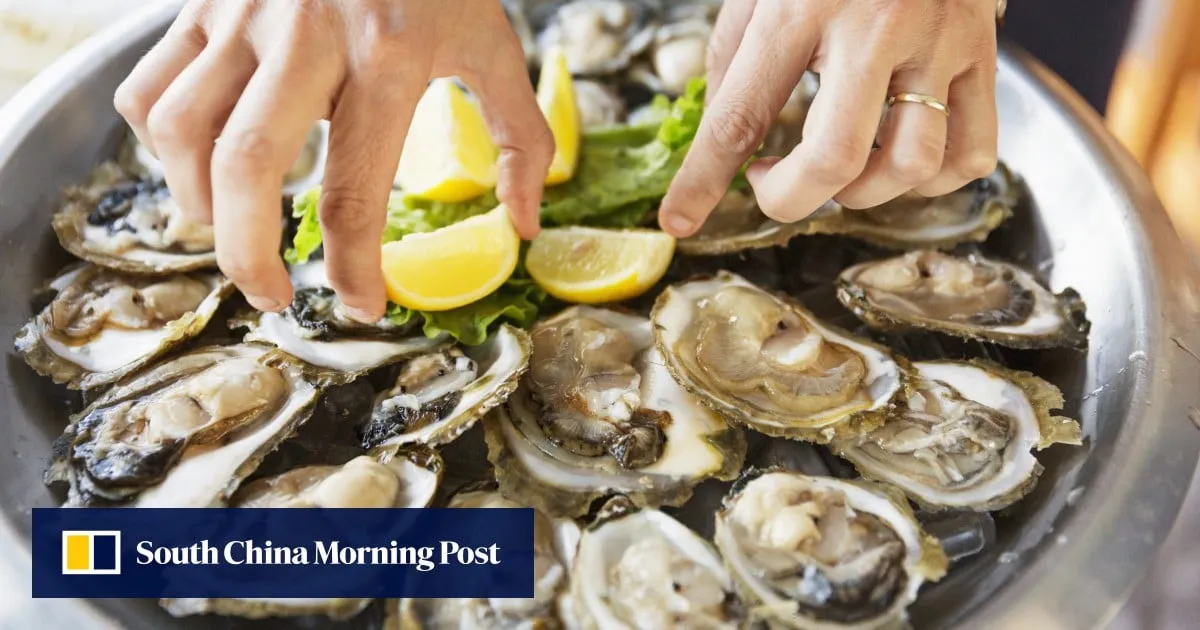
Some Hong Kong restaurant operators have urged authorities to clearly tell the public about the origins of problematic raw oysters following a spate of food poisoning cases, so that diners can make informed decisions in the lead-up to Lunar New Year, their peak business season.Consumers are becoming increasingly wary about oysters, with some restaurants saying demand has plunged amid calls from health officials for diners to avoid consuming them raw as the number of norovirus-related food poisoning cases rises.“Hong Kong people love eating oysters,” said Wilson Lau, director of an oyster restaurant in Yuen Long. “But some people may have just heard the news, do not comprehend the issue clearly and may even think all oysters are problematic. It will affect the business of many other restaurants.“Therefore, when the government releases information, it should say clearly where the problematic oysters are from. It is now like we are tarred with the same brush [as outlets linked to problematic oysters].”A number of restaurants told the South China Morning Post on Friday night that diners were choosing oysters sourced from European markets rather than from Asia after Korean imports were linked to 13 out of the 37 food poisoning cases between February 1 and 12.But the Centre for Food Safety said on the same day that some patients had eaten more than one type of oyster from markets such as South Korea, Spain, France, Japan and Ireland.
SRCSouth China Morning Post
LANGEN
LEANCenter-Right
WORDS235
ENT11
SAT · 2026-02-14 · 02:50 GMTBRIEF NSR-2026-0214-16130
NSR-2026-0214-16130News Report·EN·Public Health
Share where risky oysters are from, authorities urged after food poisoning cases
Hong Kong restaurant operators are requesting authorities to specify the origins of risky raw oysters after a recent surge in norovirus-related food poisoning cases between February 1-12. This request comes as consumer wariness increases, impacting restaurant business ahead of the Lunar New Year.
Ng Kang-chung,Theodora YuSouth China Morning PostFiled 2026-02-14 · 02:50 GMTLean · Center-RightRead · 1 min
South China Morning PostFIG 01
Reading time
1min
Word count
235words
Sources cited
3cited
Entities identified
11entities
Quality score
100%
§ 01
Briefing Summary
AI-generatedNEWSAR · AI
Hong Kong restaurant operators are requesting authorities to specify the origins of risky raw oysters after a recent surge in norovirus-related food poisoning cases between February 1-12. This request comes as consumer wariness increases, impacting restaurant business ahead of the Lunar New Year. Restaurants report diners are now favoring European oysters over Asian imports, particularly those from Korea, which were linked to 13 of the 37 reported cases. While some cases were linked to Korean oysters, the Centre for Food Safety reported that affected individuals consumed oysters from various regions, including Spain, France, Japan, and Ireland. Restaurant owners want clear information to avoid being unfairly associated with problematic sources and allow consumers to make informed choices.
Confidence 0.90Sources 3Claims 5Entities 11
§ 02
Article analysis
Model · rule-basedFraming
Public Health
Economic Impact
Tone
Measured
AI-assessed
CalmNeutralAlarmist
Factuality
0.70 / 1.00
Factual
LowHigh
Sources cited
3
Well sourced
FewMany
§ 03
Key claims
5 extracted01
Some patients had eaten more than one type of oyster from markets such as South Korea, Spain, France, Japan and Ireland.
factualCentre for Food Safety
Confidence
1.00
02
Some Hong Kong restaurant operators have urged authorities to clearly tell the public about the origins of problematic raw oysters.
quoteSome Hong Kong restaurant operators
Confidence
1.00
03
Korean imports were linked to 13 out of the 37 food poisoning cases between February 1 and 12.
factualSouth China Morning Post
Confidence
0.90
04
Consumers are becoming increasingly wary about oysters, with some restaurants saying demand has plunged.
quotesome restaurants
Confidence
0.90
05
The number of norovirus-related food poisoning cases is rising.
factualhealth officials
Confidence
0.80
§ 04
Full report
1 min read · 235 words§ 05
Entities
11 identifiedKey playerOppositionContextPositiveNeutralNegative
§ 06
Keywords & salience
9 termsfood poisoning
1.00
raw oysters
0.90
oyster origins
0.80
restaurant operators
0.70
lunar new year
0.60
norovirus
0.60
hong kong
0.50
food safety
0.50
korean imports
0.40
§ 07
Topic connections
Interactive graph Network visualization showing 51 related topics
View Full Graph Person Organization Location Event|Click node to navigate|Edge numbers = shared articles