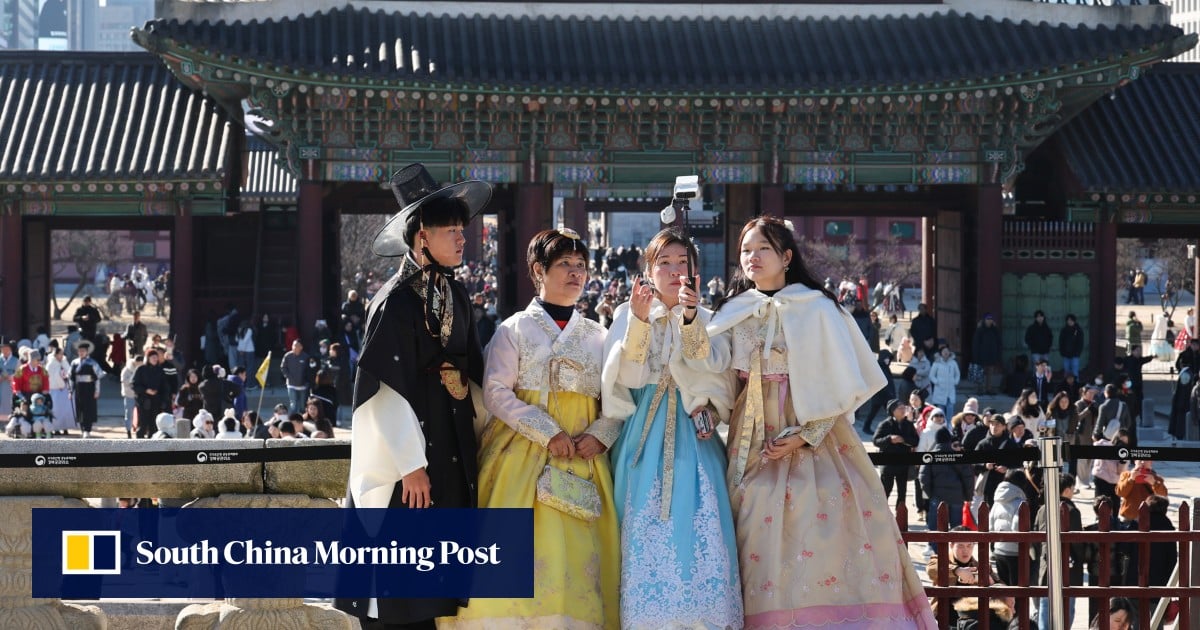
For his family’s first overseas trip together, Tang Junjie carefully planned a holiday to Japan during China’s longest Lunar New Year break on record.Flights were booked months in advance by the 22-year-old from Sichuan province, who had already made three solo visits to the neighbouring country that has long been a draw for Chinese tourists.But a sudden deterioration in Sino-Japanese relations changed everything.“The original plan was to transit through Seoul on our way to Japan,” Tang said. “But the airline couldn’t refund the tickets at the time, so we decided to stay in Seoul and not continue on to Japan.”Tang and his family were among the influx of Chinese tourists who visited Korea during the holiday period, which began on February 15 and ended on Monday.Beijing and Tokyo have been embroiled in a diplomatic dispute since November, when Japanese Prime Minister Sanae Takaichi said that Tokyo could respond militarily to a potential attack on the island. In response, Beijing has advised citizens to avoid travelling to Japan.
SRCSouth China Morning Post
LANGEN
LEANCenter-Right
WORDS167
ENT8
TUE · 2026-02-24 · 03:00 GMTBRIEF NSR-2026-0224-18729
NSR-2026-0224-18729News Report·EN·Economic Impact
Seoul gains from Tokyo’s pain over Lunar New Year as politics reshapes China’s tourism map
Due to strained Sino-Japanese relations, Seoul benefited from an increase in Chinese tourism during the Lunar New Year holiday, which began February 15th. A diplomatic dispute arose in November when a Japanese Prime Minister made comments regarding potential military action, leading Beijing to advise Chinese citizens against traveling to Japan.
Yeon Woo Lee,Alice LiSouth China Morning PostFiled 2026-02-24 · 03:00 GMTLean · Center-RightRead · 1 min
South China Morning PostFIG 01
Reading time
1min
Word count
167words
Sources cited
1cited
Entities identified
8entities
Quality score
100%
§ 01
Briefing Summary
AI-generatedNEWSAR · AI
Due to strained Sino-Japanese relations, Seoul benefited from an increase in Chinese tourism during the Lunar New Year holiday, which began February 15th. A diplomatic dispute arose in November when a Japanese Prime Minister made comments regarding potential military action, leading Beijing to advise Chinese citizens against traveling to Japan. Consequently, many Chinese tourists, like Tang Junjie and his family, altered travel plans, opting to stay in Seoul instead of continuing to Japan. This shift highlights how political tensions can reshape tourism patterns, diverting Chinese travelers from Japan to alternative destinations like South Korea. The Lunar New Year holiday ended on Monday.
Confidence 0.90Sources 1Claims 5Entities 8
§ 02
Article analysis
Model · rule-basedFraming
Economic Impact
Political Strategy
Tone
Measured
AI-assessed
CalmNeutralAlarmist
Factuality
0.80 / 1.00
Factual
LowHigh
Sources cited
1
Limited
FewMany
§ 03
Key claims
5 extracted01
The original plan was to transit through Seoul on our way to Japan.
quoteTang Junjie
Confidence
1.00
02
Beijing has advised citizens to avoid travelling to Japan.
factualnull
Confidence
1.00
03
Beijing and Tokyo have been embroiled in a diplomatic dispute since November.
factualnull
Confidence
1.00
04
A deterioration in Sino-Japanese relations caused Tang Junjie's family to change their travel plans.
factualnull
Confidence
1.00
05
Tang Junjie planned a family trip to Japan during China’s Lunar New Year break.
factualnull
Confidence
1.00
§ 04
Full report
1 min read · 167 words§ 05
Entities
8 identified§ 06
Keywords & salience
9 termslunar new year
0.90
chinese tourists
0.80
sino-japanese relations
0.70
tourism
0.70
japan
0.60
seoul
0.60
diplomatic dispute
0.60
travel advisory
0.50
overseas trip
0.40
§ 07
Topic connections
Interactive graph Network visualization showing 51 related topics
View Full Graph Person Organization Location Event|Click node to navigate|Edge numbers = shared articles