Following the killing of Iran’s Supreme leader Ayatollah Ali Khamenei on Saturday, many senior US officials remain sceptical that the US and Israeli military operation against the Islamic Republic would lead to a regime change in the near term.Before and after the start of the attack, US officials, including US President Donald Trump, had suggested that toppling the nation’s repressive governing system was one of several US goals, in addition to crippling Iran’s ballistic missile and nuclear programmes.“I call upon all Iranian patriots who yearn for freedom to seize this moment ... and take back your country,” Trump said on Sunday in a video posted on Truth Social.But three US officials familiar with US intelligence said there is serious scepticism that Iran’s battered opposition can topple the theocratic, authoritarian governing system that has been in place since 1979.Iranian President Masoud Pezeshkian (centre), Gholam-Hossein Mohseni-Eje’i and Alireza Arafi have temporarily assumed the duties of supreme leader. Photo: West Asia News Agency via ReutersNo officials consulted by Reuters completely ruled out the possibility of the fall of Iran’s government, which currently is buffeted by key personnel losses from ongoing US and Israeli air strikes and is deeply unpopular following a January round of extraordinarily violent repression.But it is far from likely or even probable in the near term, they said.
SRCSouth China Morning Post
LANGEN
LEANCenter-Right
WORDS218
ENT9
MON · 2026-03-02 · 09:25 GMTBRIEF NSR-2026-0302-20587
NSR-2026-0302-20587News Report·EN·National Security
US officials sceptical of Iran regime change after Khamenei killing, sources say
Following the death of Iran's Supreme Leader Ayatollah Ali Khamenei, US officials are reportedly skeptical that a regime change in Iran is likely in the near future. Despite President Trump's call for Iranian patriots to "take back" their country, three US officials familiar with intelligence suggest that Iran's opposition is unlikely to topple the current theocratic government.
ReutersSouth China Morning PostFiled 2026-03-02 · 09:25 GMTLean · Center-RightRead · 1 min
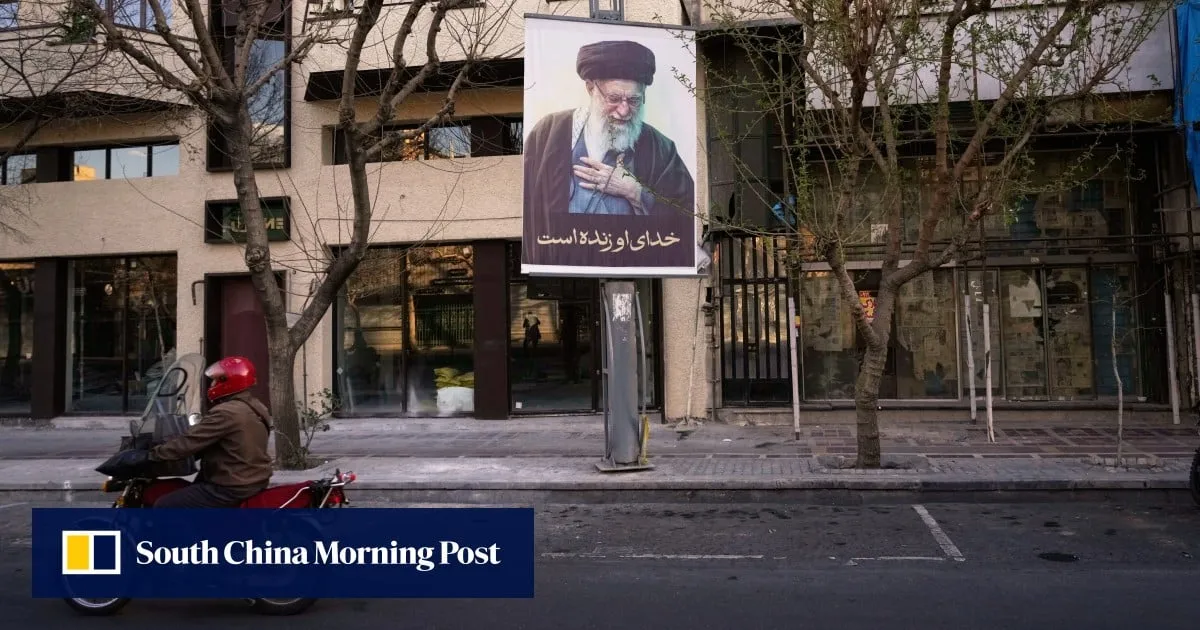
South China Morning PostFIG 01
Reading time
1min
Word count
218words
Sources cited
3cited
Entities identified
9entities
Quality score
100%
§ 01
Briefing Summary
AI-generatedNEWSAR · AI
Following the death of Iran's Supreme Leader Ayatollah Ali Khamenei, US officials are reportedly skeptical that a regime change in Iran is likely in the near future. Despite President Trump's call for Iranian patriots to "take back" their country, three US officials familiar with intelligence suggest that Iran's opposition is unlikely to topple the current theocratic government. While not completely ruling out the possibility due to ongoing US and Israeli air strikes and internal unrest, officials consider a near-term regime change improbable. The Iranian President, along with other officials, have temporarily assumed the duties of the supreme leader. The US and Israeli operation aimed to cripple Iran's ballistic missile and nuclear programs, with some US officials suggesting toppling the government as a goal.
Confidence 0.90Sources 3Claims 5Entities 9
§ 02
Article analysis
Model · rule-basedFraming
National Security
Political Strategy
Tone
Measured
AI-assessed
CalmNeutralAlarmist
Factuality
0.70 / 1.00
Factual
LowHigh
Sources cited
3
Well sourced
FewMany
§ 03
Key claims
5 extracted01
Iranian President Masoud Pezeshkian, Gholam-Hossein Mohseni-Eje’i and Alireza Arafi have temporarily assumed the duties of supreme leader.
factualReuters
Confidence
1.00
02
"I call upon all Iranian patriots who yearn for freedom to seize this moment ... and take back your country,”
quoteDonald Trump
Confidence
1.00
03
US officials remain sceptical that the US and Israeli military operation against Iran would lead to a regime change in the near term.
factualUS officials
Confidence
0.90
04
Iran's government is buffeted by key personnel losses from ongoing US and Israeli air strikes.
factualnull
Confidence
0.80
05
Toppling Iran’s governing system was one of several US goals, in addition to crippling Iran’s ballistic missile and nuclear programmes.
factualUS officials, including US President Donald Trump
Confidence
0.80
§ 04
Full report
1 min read · 218 words§ 05
Entities
9 identifiedKey playerOppositionContextPositiveNeutralNegative
People5
Organizations1
§ 06
Keywords & salience
9 termsiran
1.00
regime change
0.90
us officials
0.80
ali khamenei
0.70
israeli military operation
0.60
us military operation
0.60
nuclear program
0.50
ballistic missile program
0.50
authoritarian governing system
0.40
§ 07
Topic connections
Interactive graph Network visualization showing 51 related topics
View Full Graph Person Organization Location Event|Click node to navigate|Edge numbers = shared articles