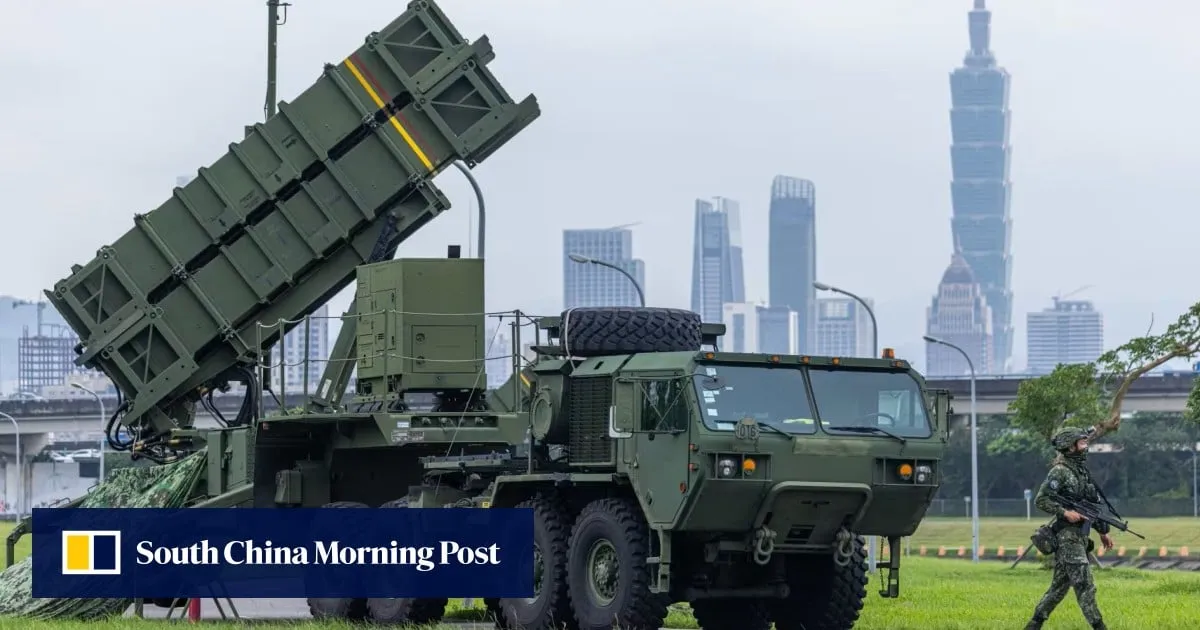
Taiwan has reacted to the US strike on Iran with surprise, strategic calculation and renewed debate over the island’s air defence readiness.While some observers were struck by what they saw as overwhelming US military dominance, others said the conflict underscored the urgency of accelerating plans to build a more integrated, layered air defence network amid mounting pressure from Beijing.On Monday, the island’s cabinet said relevant ministries were “closely monitoring developments in the Middle East” and assessing potential impacts on Taiwan’s economy, financial markets and energy supplies.Taiwan’s Premier Cho Jung-tai instructed finance authorities to keep a close watch on stock and currency market volatility, which officials said remained within a controllable range.The economics ministry has activated an energy response mechanism to coordinate supply sources amid concerns that escalating hostilities could disrupt global oil and gas flows.Taiwan has diversified crude imports in recent years, reducing reliance on the Middle East from 45 per cent to 35 per cent, according to officials.
SRCSouth China Morning Post
LANGEN
LEANCenter-Right
WORDS159
ENT7
MON · 2026-03-02 · 14:00 GMTBRIEF NSR-2026-0302-20619
NSR-2026-0302-20619News Report·EN·National Security
US strike on Iran fuels Taiwan’s air defence debate and energy supply fears
Following a US strike on Iran, Taiwan is closely monitoring the situation and assessing potential impacts on its economy, financial markets, and energy supplies. The island's cabinet has instructed finance authorities to monitor stock and currency market volatility.
Lawrence ChungSouth China Morning PostFiled 2026-03-02 · 14:00 GMTLean · Center-RightRead · 1 min
South China Morning PostFIG 01
Reading time
1min
Word count
159words
Sources cited
3cited
Entities identified
7entities
Quality score
100%
§ 01
Briefing Summary
AI-generatedNEWSAR · AI
Following a US strike on Iran, Taiwan is closely monitoring the situation and assessing potential impacts on its economy, financial markets, and energy supplies. The island's cabinet has instructed finance authorities to monitor stock and currency market volatility. The economics ministry has activated an energy response mechanism to coordinate supply sources, addressing concerns that escalating hostilities could disrupt global oil and gas flows. The events have also fueled debate in Taiwan regarding the urgency of strengthening its air defense network amid increasing pressure from Beijing. Taiwan has reduced its reliance on Middle Eastern crude oil imports from 45% to 35% in recent years.
Confidence 0.90Sources 3Claims 5Entities 7
§ 02
Article analysis
Model · rule-basedFraming
National Security
Economic Impact
Tone
Measured
AI-assessed
CalmNeutralAlarmist
Factuality
0.70 / 1.00
Factual
LowHigh
Sources cited
3
Well sourced
FewMany
§ 03
Key claims
5 extracted01
Taiwan has diversified crude imports, reducing reliance on the Middle East from 45 per cent to 35 per cent.
statisticofficials
Confidence
1.00
02
The economics ministry has activated an energy response mechanism to coordinate supply sources.
factualeconomics ministry
Confidence
1.00
03
Taiwan's Premier instructed finance authorities to keep a close watch on stock and currency market volatility.
factualTaiwan’s Premier Cho Jung-tai
Confidence
1.00
04
Taiwan is closely monitoring developments in the Middle East and assessing potential impacts on its economy, financial markets and energy supplies.
factualTaiwan’s cabinet
Confidence
1.00
05
The conflict underscored the urgency of accelerating plans to build a more integrated, layered air defence network.
quoteobservers
Confidence
0.80
§ 04
Full report
1 min read · 159 words§ 05
Entities
7 identifiedKey playerOppositionContextPositiveNeutralNegative
§ 06
Keywords & salience
9 termstaiwan
1.00
air defence
0.80
energy supply
0.70
us strike
0.70
middle east
0.60
iran
0.60
market volatility
0.50
economic impact
0.50
oil and gas
0.40
§ 07
Topic connections
Interactive graph Network visualization showing 51 related topics
View Full Graph Person Organization Location Event|Click node to navigate|Edge numbers = shared articles