The joint US-Israel strikes on Iran, which have plunged the Middle East into deeper turmoil, have received qualified support from some countries and condemnation from others.China – which confirmed the death of one Chinese national in Iran and the evacuation of its 3,000 citizens from the country – partnered with Russia on Saturday to hold an emergency session of the UN Security Council and condemned the military action.05:20US-Israeli strikes intensify in Iran as Trump warns of more casualtiesUS-Israeli strikes intensify in Iran as Trump warns of more casualtiesIn a call on Monday with Russian Foreign Minister Sergey Lavrov, China’s top diplomat Wang Yi denounced the strikes and the killing of Iran’s Supreme leader Ayatollah Ali Khamenei as “unacceptable”.“The international community should send a clear and unambiguous message against the world reverting to the law of the jungle,” he said.But apart from that, Beijing – which holds a comprehensive strategic partnership with Tehran – has stopped short of offering concrete help, just as it did when Israel launched attacks on Iran’s military and nuclear sites in June last year.Why such a restrained response?Beijing’s reaction has aligned with its long-standing playbook of offering diplomatic backing while avoiding direct military engagement, as it also did when Venezuelan leader Nicolas Maduro was abducted by the US in January.
SRCSouth China Morning Post
LANGEN
LEANCenter-Right
WORDS214
ENT12
TUE · 2026-03-03 · 07:36 GMTBRIEF NSR-2026-0303-20904
NSR-2026-0303-20904Analysis·EN·Political Strategy
What’s behind China’s careful response to its ally Iran after US-Israel strikes?
China's response to US-Israeli strikes on Iran has been cautious, with a focus on diplomatic backing rather than direct military engagement. The joint strikes have led to the death of one Chinese national and the evacuation of 3,000 citizens from Iran.
Alyssa ChenSouth China Morning PostFiled 2026-03-03 · 07:36 GMTLean · Center-RightRead · 1 min
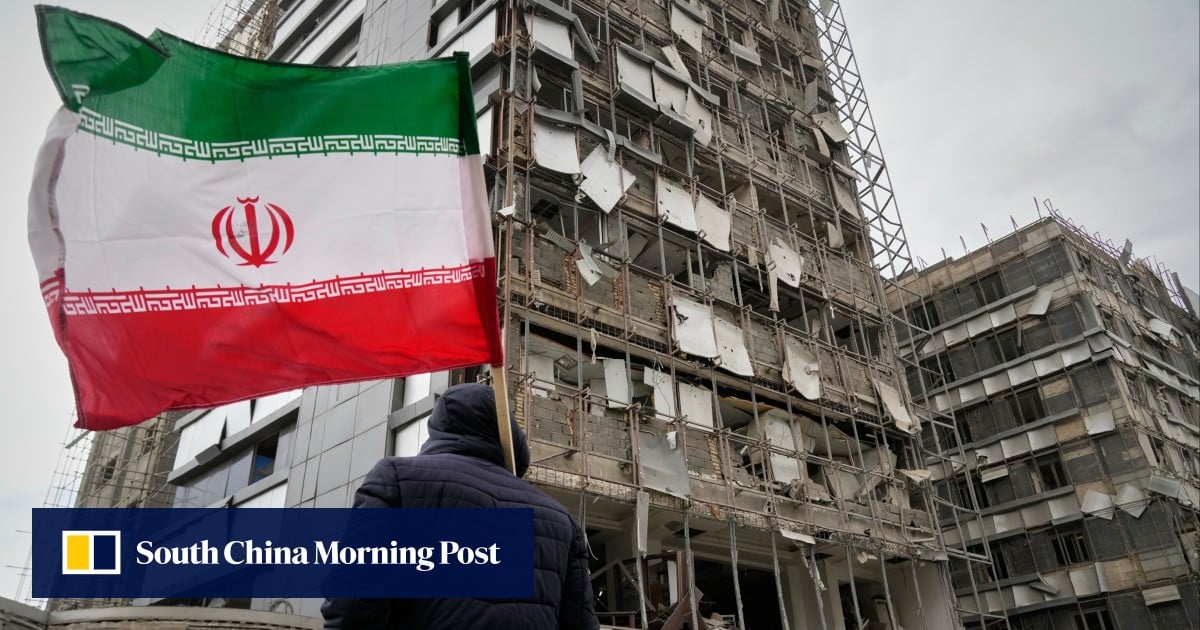
South China Morning PostFIG 01
Reading time
1min
Word count
214words
Sources cited
2cited
Entities identified
12entities
Quality score
100%
§ 01
Briefing Summary
AI-generatedNEWSAR · AI
China's response to US-Israeli strikes on Iran has been cautious, with a focus on diplomatic backing rather than direct military engagement. The joint strikes have led to the death of one Chinese national and the evacuation of 3,000 citizens from Iran. China partnered with Russia to hold an emergency UN Security Council session, condemning the action. In a call with Russian Foreign Minister Sergey Lavrov, China's top diplomat Wang Yi denounced the strikes as "unacceptable". Beijing has stopped short of offering concrete help, aligning with its long-standing playbook of diplomatic backing while avoiding direct military engagement. This approach is similar to China's response when Venezuela's leader Nicolas Maduro was abducted by the US in January.
Confidence 0.90Sources 2Claims 5Entities 12
§ 02
Article analysis
Model · rule-basedFraming
Political Strategy
Diplomatic
Tone
Measured
AI-assessed
CalmNeutralAlarmist
Factuality
0.70 / 1.00
Factual
LowHigh
Sources cited
2
Limited
FewMany
§ 03
Key claims
5 extracted01
China's top diplomat Wang Yi denounced the strikes and the killing of Iran’s Supreme leader Ayatollah Ali Khamenei as “unacceptable”.
quoteWang Yi
Confidence
1.00
02
China partnered with Russia to hold an emergency session of the UN Security Council and condemned the military action.
factualnull
Confidence
1.00
03
China confirmed the death of one Chinese national in Iran and the evacuation of its 3,000 citizens.
factualnull
Confidence
1.00
04
Beijing has stopped short of offering concrete help, just as it did when Israel launched attacks on Iran’s military and nuclear sites in June last year.
factualnull
Confidence
0.90
05
Joint US-Israel strikes on Iran have plunged the Middle East into deeper turmoil.
factualnull
Confidence
0.80
§ 04
Full report
1 min read · 214 words§ 05
Entities
12 identifiedKey playerOppositionContextPositiveNeutralNegative
People4
Organizations1
§ 06
Keywords & salience
9 termschina
0.90
iran
0.90
us-israel strikes
0.80
middle east
0.70
restrained response
0.60
diplomatic backing
0.60
un security council
0.50
strategic partnership
0.50
military action
0.40
§ 07
Topic connections
Interactive graph Network visualization showing 51 related topics
View Full Graph Person Organization Location Event|Click node to navigate|Edge numbers = shared articles