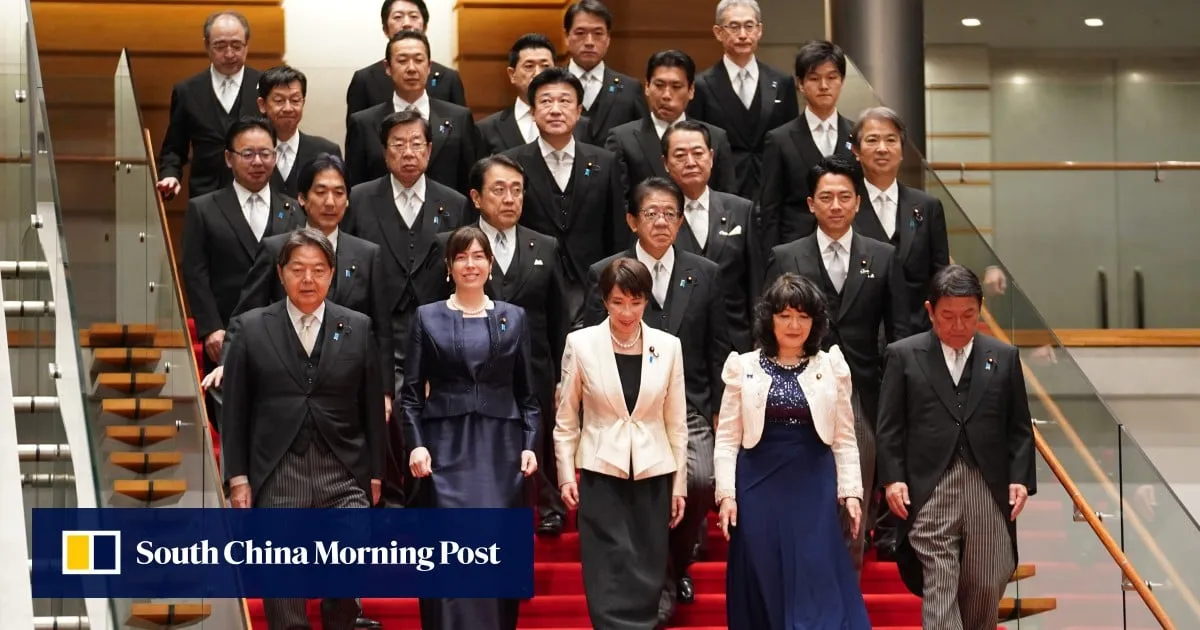
Gender equality in politics remains far from achieved across Japan’s 47 prefectures, research by a group of experts has shown as it released local index scores on International Women’s Day.While nearly 80 years have passed since women in Japan first exercised their right to vote, the politics index fell in eight prefectures, including Kanagawa near Tokyo, from the 2024 figures, while many other prefectures also saw little change.With a score of 1 representing full equality, Tokyo scored 0.386, ranking first for the fifth consecutive year, helped by a high percentage of women in the metropolitan and other local assemblies.Yamagata and Osaka prefectures ranked second, both at 0.271, followed by Chiba and Kanagawa at 0.258 and 0.255, respectively.04:31Prime Minister Takaichi’s ruling coalition wins supermajority in Japan electionPrime Minister Takaichi’s ruling coalition wins supermajority in Japan electionThe House of Representatives election in February has not helped much to improve gender equality in politics, with women accounting for 14.6 per cent of all elected candidates, down 1.1 percentage points from the previous general election.In 16 prefectures, the margin of improvement was 0.010 or smaller from the 2024 index, which had reflected the outcome of the nationwide local election the year before.
SRCSouth China Morning Post
LANGEN
LEANCenter-Right
WORDS198
ENT5
SUN · 2026-03-08 · 03:00 GMTBRIEF NSR-2026-0308-22462
NSR-2026-0308-22462News Report·EN·Social Justice
80 years on, gender gap persists in Japanese politics
A recent study released on International Women's Day reveals that gender inequality persists in Japanese politics, 80 years after women gained the right to vote. The research, which assessed all 47 prefectures, found limited progress since 2024, with some areas even declining in their equality index scores.
KyodoSouth China Morning PostFiled 2026-03-08 · 03:00 GMTLean · Center-RightRead · 1 min
South China Morning PostFIG 01
Reading time
1min
Word count
198words
Sources cited
1cited
Entities identified
5entities
Quality score
100%
§ 01
Briefing Summary
AI-generatedNEWSAR · AI
A recent study released on International Women's Day reveals that gender inequality persists in Japanese politics, 80 years after women gained the right to vote. The research, which assessed all 47 prefectures, found limited progress since 2024, with some areas even declining in their equality index scores. Tokyo ranked highest for the fifth year with a score of 0.386, due to a higher percentage of women in local assemblies, followed by Yamagata and Osaka. The February House of Representatives election saw a decrease in female representation, with women accounting for only 14.6% of elected candidates. Sixteen prefectures showed minimal improvement in their index scores compared to the previous year, highlighting the slow pace of change in achieving gender equality in Japanese politics.
Confidence 0.90Sources 1Claims 5Entities 5
§ 02
Article analysis
Model · rule-basedFraming
Social Justice
Political Strategy
Tone
Measured
AI-assessed
CalmNeutralAlarmist
Factuality
0.80 / 1.00
Factual
LowHigh
Sources cited
1
Limited
FewMany
§ 03
Key claims
5 extracted01
In 16 prefectures, the margin of improvement was 0.010 or smaller from the 2024 index.
factualnull
Confidence
1.00
02
Women account for 14.6 per cent of all elected candidates, down 1.1 percentage points from the previous general election.
statisticnull
Confidence
1.00
03
Tokyo scored 0.386, ranking first for the fifth consecutive year.
statisticnull
Confidence
1.00
04
The politics index fell in eight prefectures, including Kanagawa near Tokyo, from the 2024 figures.
factualnull
Confidence
1.00
05
Gender equality in politics remains far from achieved across Japan’s 47 prefectures.
factualresearch by a group of experts
Confidence
0.90
§ 04
Full report
1 min read · 198 words§ 05
Entities
5 identifiedKey playerOppositionContextPositiveNeutralNegative
§ 06
Keywords & salience
8 termsgender equality
1.00
japanese politics
0.90
gender gap
0.80
index scores
0.70
women in politics
0.70
prefectures
0.60
election
0.50
house of representatives
0.40
§ 07
Topic connections
Interactive graph Network visualization showing 51 related topics
View Full Graph Person Organization Location Event|Click node to navigate|Edge numbers = shared articles