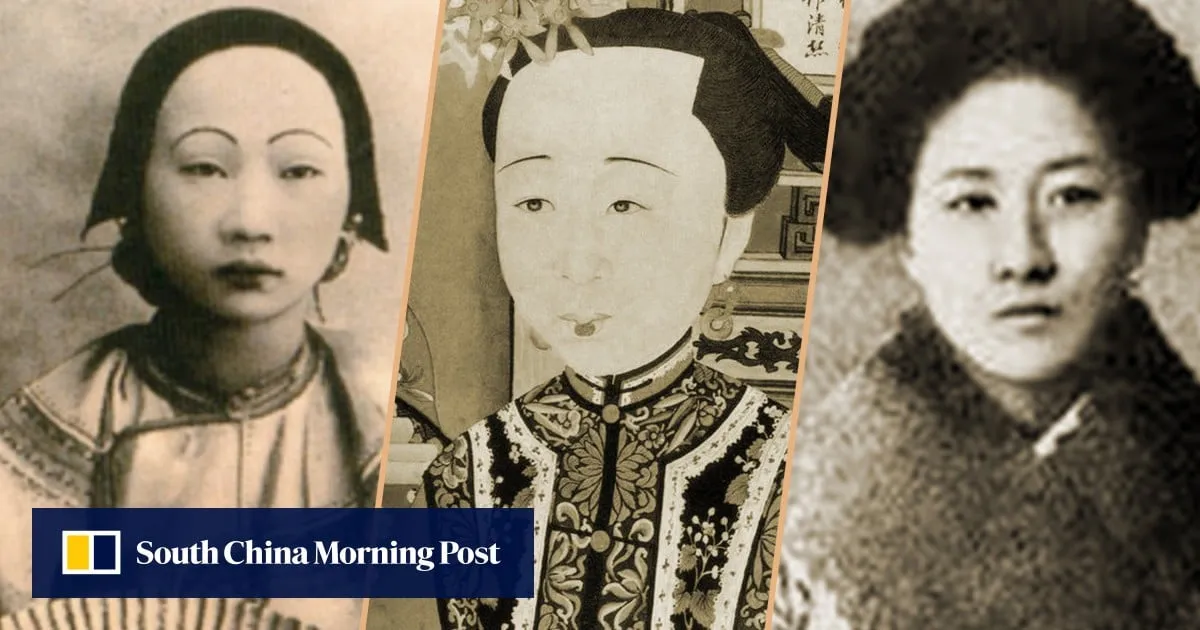
From the 18th century onwards, female authors gained unprecedented prominence, from Jane Austen and the Brontë sisters in the West to the rise of significant women writers in Qing-era China (1644–1912).The increasing prominence of female Chinese authors was driven by Dream of the Red Chamber, an 18th-century masterpiece by Cao Xueqin, widely considered the pinnacle of Chinese fiction and one of the four great classical novels of Chinese history. Cao’s book was so important that a cottage industry of poets emerged, writing works dedicated to the novel.This trend continued the “rise of the woman writer,” which began during the Ming dynasty (1368-1644).Chiung Yao, originally named Chen Che, was a renowned Taiwanese novelist and producer, celebrated as the most beloved romance author in the Chinese-speaking world.. Photo: WeiIbo/会火Ruofan Zhang from Changchun University in Jilin, in northern China, wrote in a paper dedicated to Qing-era poets. In the work, published by the Journal of Education, Humanities and Social Sciences in early February, she stated:“When we enter the literary garden of Qing women’s writing, we come into intimate contact with their inner worlds – we may clearly discern their often-obscured modes of existence, listen to their long-silenced grievances and muted cries of resistance, and feel both their anguished collapse and their tenacious struggle within harsh conditions of survival.”Zhang added that the Qing dynasty saw a “period of awakening” in which women demanded to break free from the fate of a male-dominated society.However, despite breakthroughs in the arts, Qing society did not achieve gender equality.
SRCSouth China Morning Post
LANGEN
LEANCenter-Right
WORDS251
ENT6
SUN · 2026-03-08 · 06:00 GMTBRIEF NSR-2026-0308-22468
NSR-2026-0308-22468News Report·EN·Social Justice
China Qing era saw rise in female authors, poets, despite broad restrictions on women in arts
During China's Qing dynasty (1644-1912), female authors gained significant prominence, continuing a trend from the preceding Ming dynasty. This rise was fueled, in part, by the popularity of Cao Xueqin's 18th-century novel, *Dream of the Red Chamber*, which inspired a wave of female poets.
Kevin McSpaddenSouth China Morning PostFiled 2026-03-08 · 06:00 GMTLean · Center-RightRead · 2 min
South China Morning PostFIG 01
Reading time
2min
Word count
251words
Sources cited
1cited
Entities identified
6entities
Quality score
100%
§ 01
Briefing Summary
AI-generatedNEWSAR · AI
During China's Qing dynasty (1644-1912), female authors gained significant prominence, continuing a trend from the preceding Ming dynasty. This rise was fueled, in part, by the popularity of Cao Xueqin's 18th-century novel, *Dream of the Red Chamber*, which inspired a wave of female poets. Despite societal restrictions on women, this period saw a literary "awakening" where women expressed their inner worlds and resisted male dominance through writing. Ruofan Zhang's research highlights the importance of Qing-era women's writing in understanding their experiences and struggles. While female authors achieved breakthroughs, gender equality remained elusive in Qing society.
Confidence 0.90Sources 1Claims 5Entities 6
§ 02
Article analysis
Model · rule-basedFraming
Social Justice
Human Interest
Tone
Measured
AI-assessed
CalmNeutralAlarmist
Factuality
0.70 / 1.00
Factual
LowHigh
Sources cited
1
Limited
FewMany
§ 03
Key claims
5 extracted01
Chiung Yao was a renowned Taiwanese novelist and producer, celebrated as the most beloved romance author in the Chinese-speaking world.
factualArticle
Confidence
0.90
02
Qing society did not achieve gender equality despite breakthroughs in the arts.
factualArticle
Confidence
0.90
03
The Qing dynasty saw a “period of awakening” in which women demanded to break free from the fate of a male-dominated society.
quoteRuofan Zhang
Confidence
0.90
04
Female authors gained unprecedented prominence from the 18th century onwards in both the West and Qing-era China.
factualArticle
Confidence
0.90
05
The increasing prominence of female Chinese authors was driven by Dream of the Red Chamber.
factualArticle
Confidence
0.80
§ 04
Full report
2 min read · 251 words§ 05
Entities
6 identifiedKey playerOppositionContextPositiveNeutralNegative
§ 06
Keywords & salience
9 termsfemale authors
1.00
qing dynasty
1.00
women writers
0.90
chinese literature
0.80
gender equality
0.70
dream of the red chamber
0.60
literary garden
0.50
rise of the woman writer
0.50
ming dynasty
0.40
§ 07
Topic connections
Interactive graph Network visualization showing 51 related topics
View Full Graph Person Organization Location Event|Click node to navigate|Edge numbers = shared articles