
.svg?width=300)
Ming dynasty
Organization CulturalChinese dynasty (1368-1644) known for its cultural and economic achievements; referenced in modern contexts.
Mentions:5
7 Days:1
About
The Ming dynasty (1368-1644) was a significant period in Chinese history, known for its advancements in art, culture, and economics. While the dynasty itself is long past, it remains relevant in contemporary discussions about China's historical trajectory and future ambitions. Recent news articles highlight the dynasty in several contexts. One article references a US defense secretary's warning that China might revert to a Ming dynasty-style model of global influence. Another mentions a museum scandal involving the illegal sale of Ming artwork, prompting a nationwide audit of state-owned museum collections. These references demonstrate the dynasty's enduring symbolic weight in discussions about China's cultural heritage, economic power, and geopolitical strategy. The dynasty serves as a historical benchmark against which modern China's development and ambitions are often measured.
Last updated: September 13, 2026
Recent Coverage

Ming dynasty work shows how Chinese understood the world in the 1600s

China experts explain why hugging winter melons for cooling in summer can cause explosions
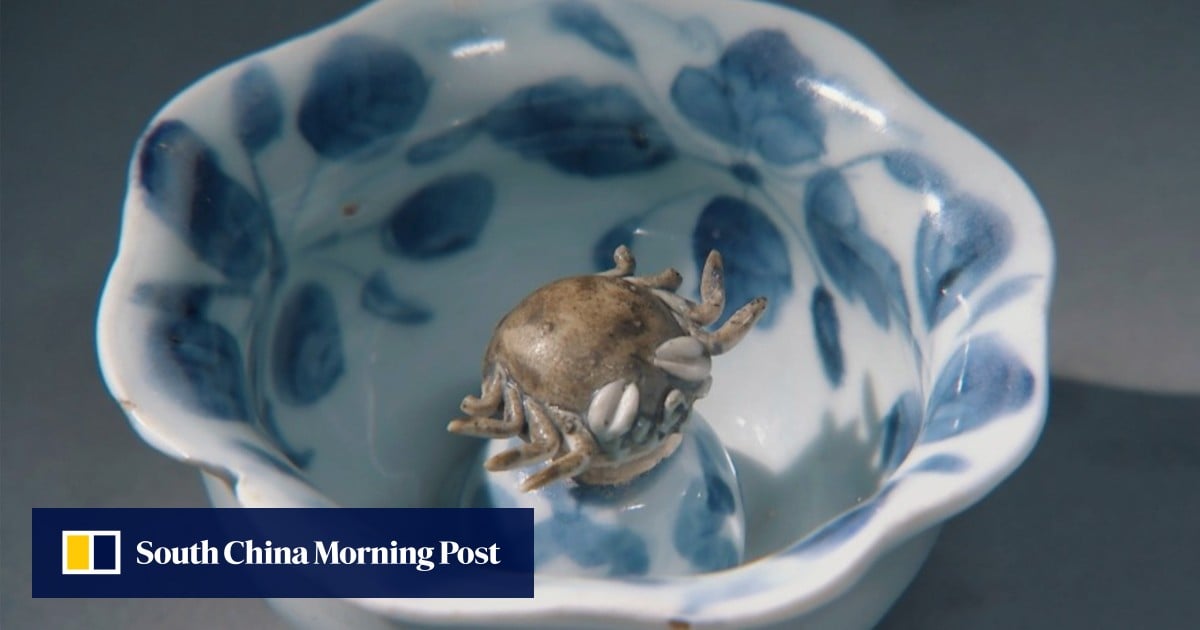
Escape artist: ancient Chinese cup features ‘swimming’ crab evolved from ‘dancing fairy cup’

Why is a film calling for Taiwan reunification drawing fire in mainland China?
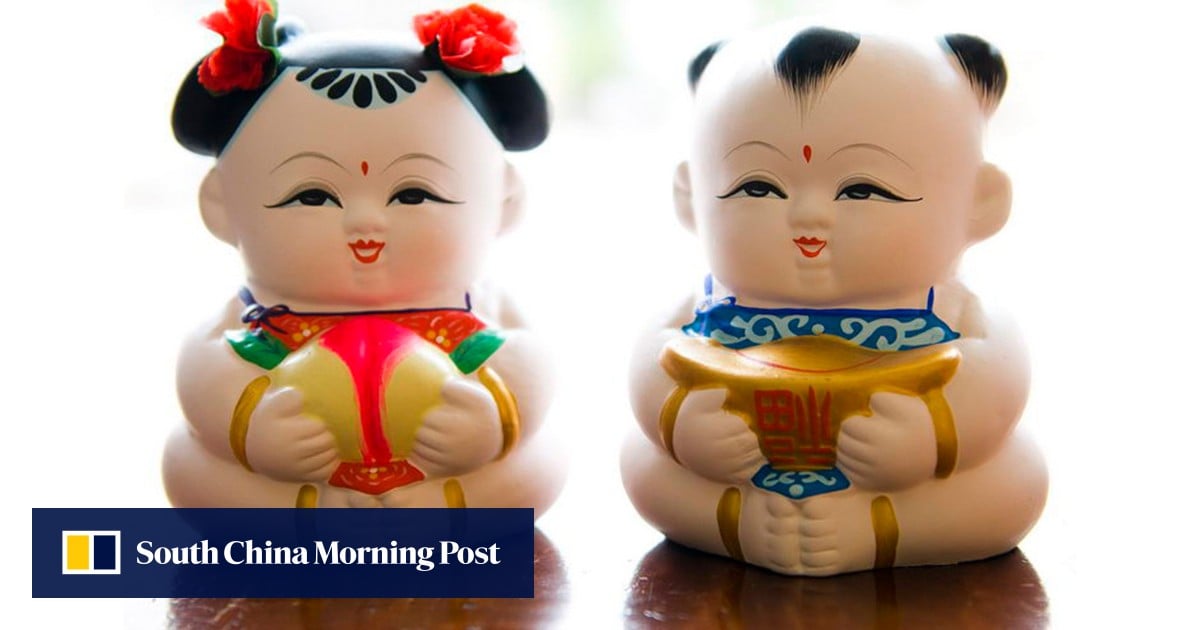
What are the hidden Buddhist symbols in Chinese Da A Fu figurines

Did volcanic eruptions ruin China’s Ming dynasty and undermine the Qing?
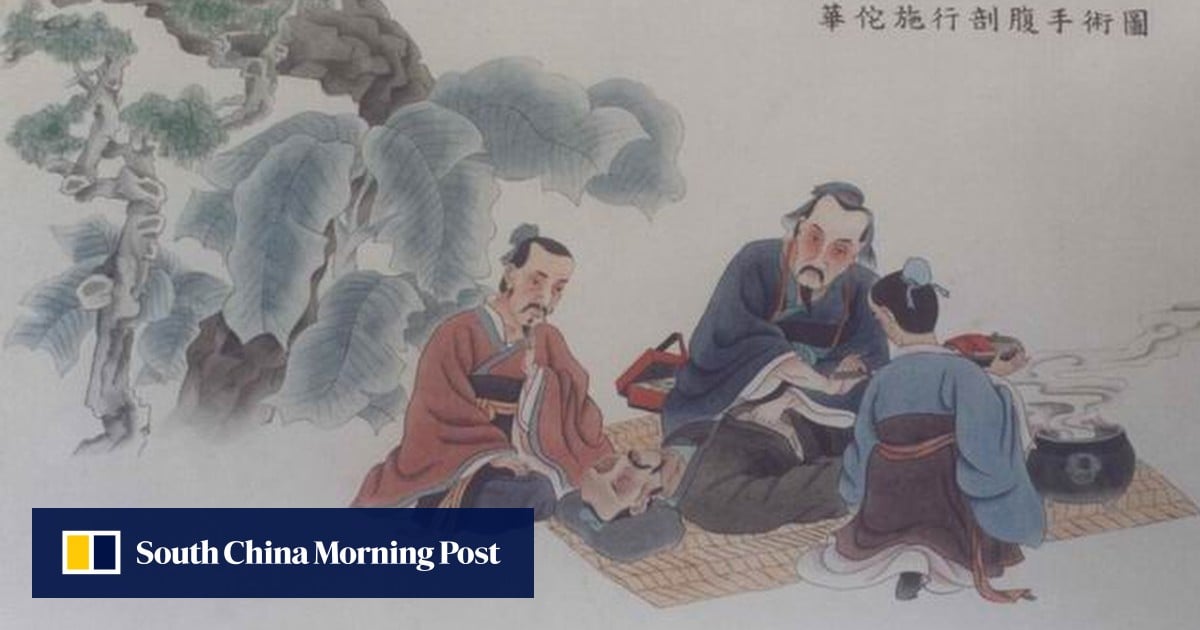
Discovery of ancient Chinese anaesthesia reveals advanced early surgical practices

How China imperial exam leaves historical footprint and impact on gaokao, modern education