G7 finance ministers are preparing to discuss the release of emergency oil reserves, according to reports, after the US-Israel war with Iran sent the price of crude above $100 (£75) for the first time since 2022.The ministers will discuss the release of the reserves in a call coordinated by the International Energy Agency (IEA), according to a report from the Financial Times.The emergency meeting will take place at 8.30am New York time to discuss the impact of the Iran war, the FT reported, citing unnamed people familiar with the matter.There are three G7 countries, including the US, that have so far reportedly expressed support for the release of the emergency reserves, which are held by the IEA’s 32 member countries across the globe.The IEA holds strategic reserves of petroleum as part of an emergency system designed to help countries withstand oil price crises. US officials believe a joint release in the range of 300m to 400m barrels would be appropriate, which would reportedly represent 25% to 35% of the 1.2bn barrels in reserve.Oil prices rose and stock markets in Asia fell on Monday morning after continued violence in the Middle East fed investor concerns around a supply crunch, pushing Brent crude to its highest level in four years and triggering a stock market sell-off.At least five energy sites in and around Tehran were hit by strikes. Kuwait’s national oil company also announced a precautionary production cut amid retaliatory attacks by Iran.The Strait of Hormuz, through which about a fifth of global oil and seaborne gas tankers typically pass, has been in effect closed for a week.Brent crude, the international benchmark, jumped by as much as 29% to $119.50 a barrel in early trading on Monday. This pared back slightly after news of the G7 meeting, trading at $106.73, a rise of 15%.While Donald Trump has vowed to reduce inflation and energy costs, he said on Sunday the rise in oil prices was “a very small price to pay” for the US “and World, Safety and Peace”, describing it as a “short term” consequence of the US-Israel war on Iran.The Iranian regime warned that US-Israeli strikes risked pushing prices even higher. A spokesperson for the country’s Revolutionary Guard Corps said after strikes on energy sites: “If you can tolerate oil at more than $200 per barrel, continue this game.”The emergency oil reserve system was set up as part of the creation of the IEA in 1974 after the Arab oil embargo, which triggered a jump in crude prices and a fuel crisis in the west.Since its inception, the IEA has coordinated five collective releases from the reserves, with the last two in response to Russia’s invasion of Ukraine.
SRCThe Guardian - World News
LANGEN
LEANCenter-Left
WORDS447
ENT11
MON · 2026-03-09 · 07:52 GMTBRIEF NSR-2026-0309-22762
NSR-2026-0309-22762News Report·EN·Economic Impact
G7 to discuss release of emergency oil reserves as price tops $100
G7 finance ministers are scheduled to discuss the potential release of emergency oil reserves in response to rising crude prices, which have surpassed $100 a barrel due to the US-Israel war with Iran. The meeting, coordinated by the International Energy Agency (IEA), aims to address the economic impact of the conflict.
Lauren AlmeidaThe Guardian - World NewsFiled 2026-03-09 · 07:52 GMTLean · Center-LeftRead · 2 min
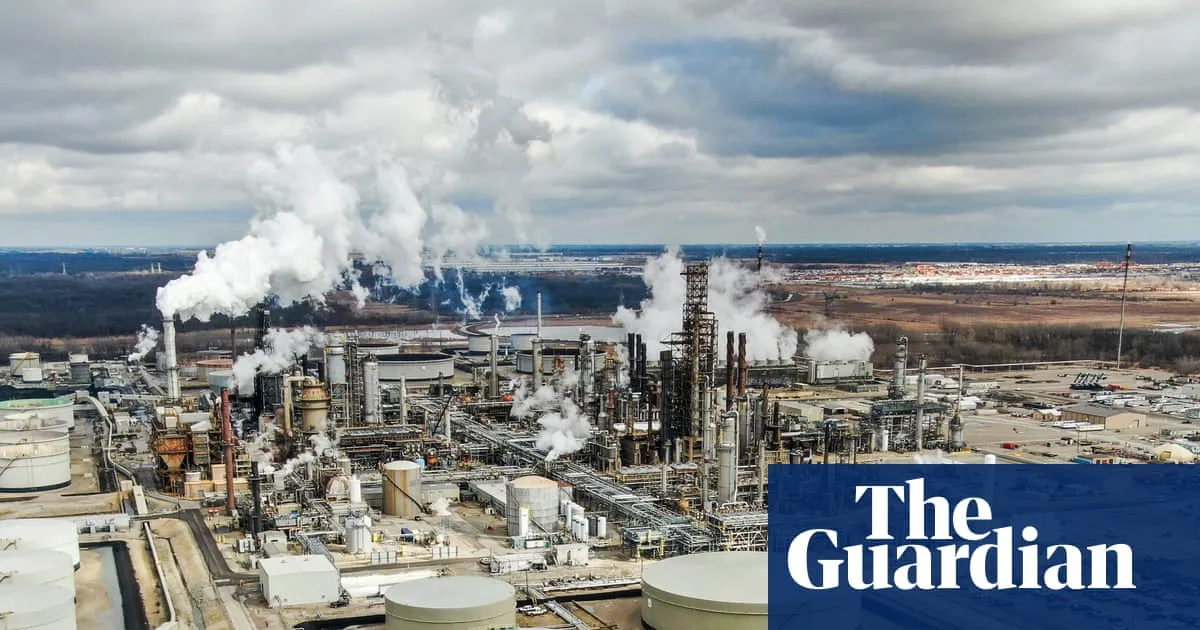
The Guardian - World NewsFIG 01
Reading time
2min
Word count
447words
Sources cited
3cited
Entities identified
11entities
Quality score
100%
§ 01
Briefing Summary
AI-generatedNEWSAR · AI
G7 finance ministers are scheduled to discuss the potential release of emergency oil reserves in response to rising crude prices, which have surpassed $100 a barrel due to the US-Israel war with Iran. The meeting, coordinated by the International Energy Agency (IEA), aims to address the economic impact of the conflict. Some G7 nations, including the US, are reportedly in favor of releasing reserves, potentially between 300m and 400m barrels. The price surge follows attacks on Iranian energy sites and production cuts in Kuwait, exacerbating concerns about supply disruptions, including the closure of the Strait of Hormuz. While Donald Trump acknowledged the price increase, he deemed it a worthwhile cost for global security, while Iran warned of prices potentially exceeding $200 per barrel if strikes continue.
Confidence 0.90Sources 3Claims 5Entities 11
§ 02
Article analysis
Model · rule-basedFraming
Economic Impact
Political Strategy
Tone
Measured
AI-assessed
CalmNeutralAlarmist
Factuality
0.80 / 1.00
Factual
LowHigh
Sources cited
3
Well sourced
FewMany
§ 03
Key claims
5 extracted01
The Iranian regime warned that US-Israeli strikes risked pushing prices even higher.
quoteIranian regime
Confidence
1.00
02
Brent crude jumped by as much as 29% to $119.50 a barrel in early trading on Monday.
statistic
Confidence
1.00
03
G7 finance ministers are preparing to discuss the release of emergency oil reserves.
factual
Confidence
1.00
04
The US-Israel war with Iran sent the price of crude above $100 for the first time since 2022.
factual
Confidence
0.90
05
US officials believe a joint release in the range of 300m to 400m barrels would be appropriate.
factualUS officials
Confidence
0.80
§ 04
Full report
2 min read · 447 words§ 05
Entities
11 identifiedKey playerOppositionContextPositiveNeutralNegative
Organizations4
§ 06
Keywords & salience
10 termsemergency oil reserves
1.00
oil prices
0.90
g7
0.80
us-israel war
0.70
international energy agency
0.70
supply crunch
0.60
crude oil
0.50
petroleum reserves
0.50
energy sites
0.40
strait of hormuz
0.40
§ 07
Topic connections
Interactive graph Network visualization showing 51 related topics
View Full Graph Person Organization Location Event|Click node to navigate|Edge numbers = shared articles