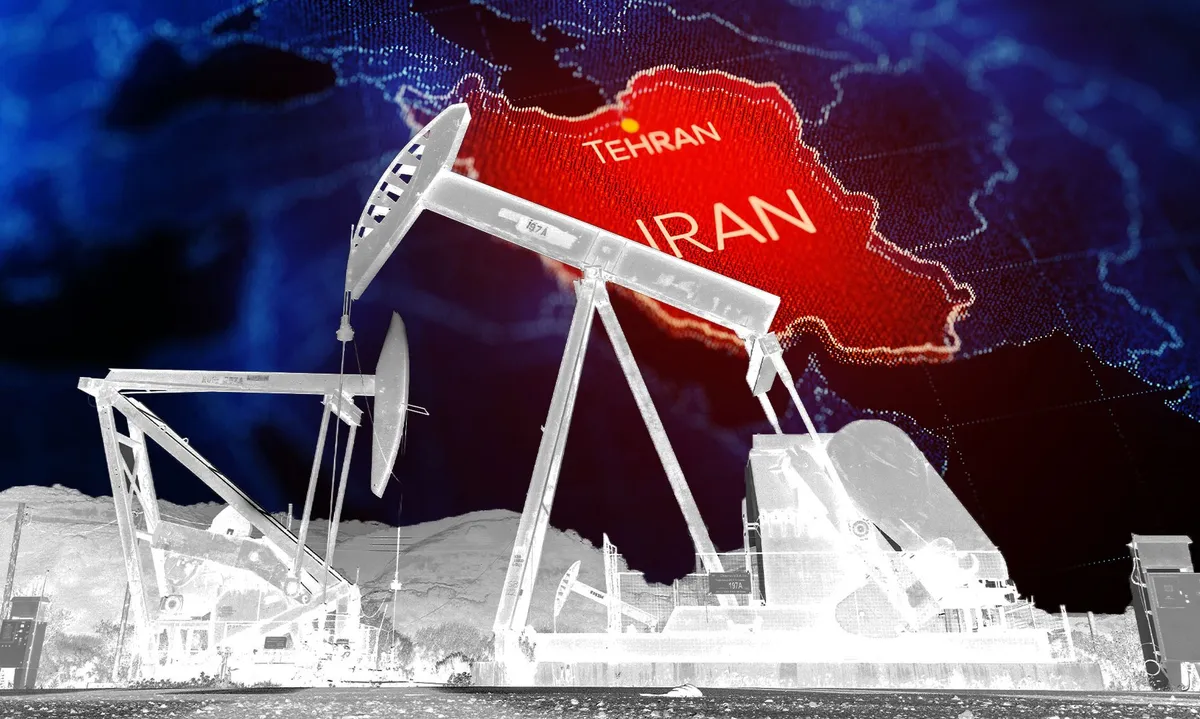
Counting the CostOil prices are swinging as markets react to every twist in the conflict.The United States and Israel’s war on Iran has caused the largest energy supply shock in decades.The Strait of Hormuz is in effect closed, and attacks are being carried out on energy facilities in the Middle East, rattling oil markets.From Americans filling their tanks at the pump to European factories and Asian economies, the impact is already being felt.US President Donald Trump says the rise in oil prices is a “very small price to pay” for “safety and peace”. But investors warn that if the conflict drags on, there’s danger of stagflation.Published On 10 Mar 2026
SRCAl Jazeera
LANGEN
LEANCenter
WORDS110
ENT9
TUE · 2026-03-10 · 09:17 GMTBRIEF NSR-2026-0310-23115
NSR-2026-0310-23115News Report·EN·Economic Impact
Could the US-Israel war with Iran fuel global inflation?
In March 2026, a war between the US, Israel, and Iran is causing significant disruption to global energy supplies. Attacks on Middle Eastern energy facilities and the effective closure of the Strait of Hormuz are rattling oil markets.
Al JazeeraFiled 2026-03-10 · 09:17 GMTLean · CenterRead · 1 min
Al JazeeraFIG 01
Reading time
1min
Word count
110words
Sources cited
1cited
Entities identified
9entities
Quality score
100%
§ 01
Briefing Summary
AI-generatedNEWSAR · AI
In March 2026, a war between the US, Israel, and Iran is causing significant disruption to global energy supplies. Attacks on Middle Eastern energy facilities and the effective closure of the Strait of Hormuz are rattling oil markets. The conflict is impacting consumers worldwide, from American drivers to European factories and Asian economies. While US President Trump downplays the rising oil prices as a necessary cost for security, investors are concerned about the potential for stagflation if the conflict continues. The energy supply shock is considered the largest in decades, raising concerns about widespread economic consequences.
Confidence 0.85Sources 1Claims 5Entities 9
§ 02
Article analysis
Model · rule-basedFraming
Economic Impact
Conflict
Tone
Mixed Tone
AI-assessed
CalmNeutralAlarmist
Factuality
0.60 / 1.00
Mixed
LowHigh
Sources cited
1
Limited
FewMany
§ 03
Key claims
5 extracted01
US President Donald Trump says the rise in oil prices is a “very small price to pay” for “safety and peace”.
quoteDonald Trump
Confidence
1.00
02
Oil prices are swinging as markets react to every twist in the conflict.
factual
Confidence
0.80
03
Investors warn that if the conflict drags on, there’s danger of stagflation.
predictioninvestors
Confidence
0.70
04
The United States and Israel’s war on Iran has caused the largest energy supply shock in decades.
factual
Confidence
0.70
05
The Strait of Hormuz is in effect closed.
factual
Confidence
0.60
§ 04
Full report
1 min read · 110 words§ 05
Entities
9 identifiedKey playerOppositionContextPositiveNeutralNegative
§ 06
Keywords & salience
8 termsglobal inflation
0.90
us-israel war
0.80
oil prices
0.80
iran
0.70
energy supply shock
0.70
strait of hormuz
0.60
stagflation
0.50
middle east
0.50
§ 07
Topic connections
Interactive graph Network visualization showing 51 related topics
View Full Graph Person Organization Location Event|Click node to navigate|Edge numbers = shared articles