Chinese analysts expect Mojtaba Khamenei, Iran’s new supreme leader, to continue and possibly harden his assassinated father’s policies towards the US and Israel.The appointment of the 56-year-old cleric could signal a sense of continuity inside Iran, as well as stabilise ties between Beijing and Tehran, the analysts added.Iran’s Assembly of Experts confirmed on Monday that the younger Khamenei would succeed the late Ayatollah Ali Khamenei as the supreme leader – a post holding the final say over state affairs, including foreign policy and the country’s nuclear programme.The new supreme leader’s wife was also killed during the joint US-Israeli military strikes against Iran that began on February 28 and have continued until now.Personal and national grievances could drive Khamenei to maintain his father’s hardline stance towards the United States and Israel, according to Zhou Rong, director of the Global South Countries Studies Centre at the Beijing-based think tank Grandview Institution.“He may even be tougher because he is young,” Zhou added.
SRCSouth China Morning Post
LANGEN
LEANCenter-Right
WORDS159
ENT10
TUE · 2026-03-10 · 13:15 GMTBRIEF NSR-2026-0310-23168
NSR-2026-0310-23168Analysis·EN·Political Strategy
Why China sees stability in hardliner Mojtaba Khamenei’s rise to lead Iran
Chinese analysts believe the appointment of Mojtaba Khamenei as Iran's new supreme leader will likely ensure continuity and stability in the country's policies, particularly regarding its relationship with China. Khamenei, son of the late Ayatollah Ali Khamenei, was confirmed as the new supreme leader by Iran's Assembly of Experts on Monday.
Orange Wang,Shi JiangtaoSouth China Morning PostFiled 2026-03-10 · 13:15 GMTLean · Center-RightRead · 1 min
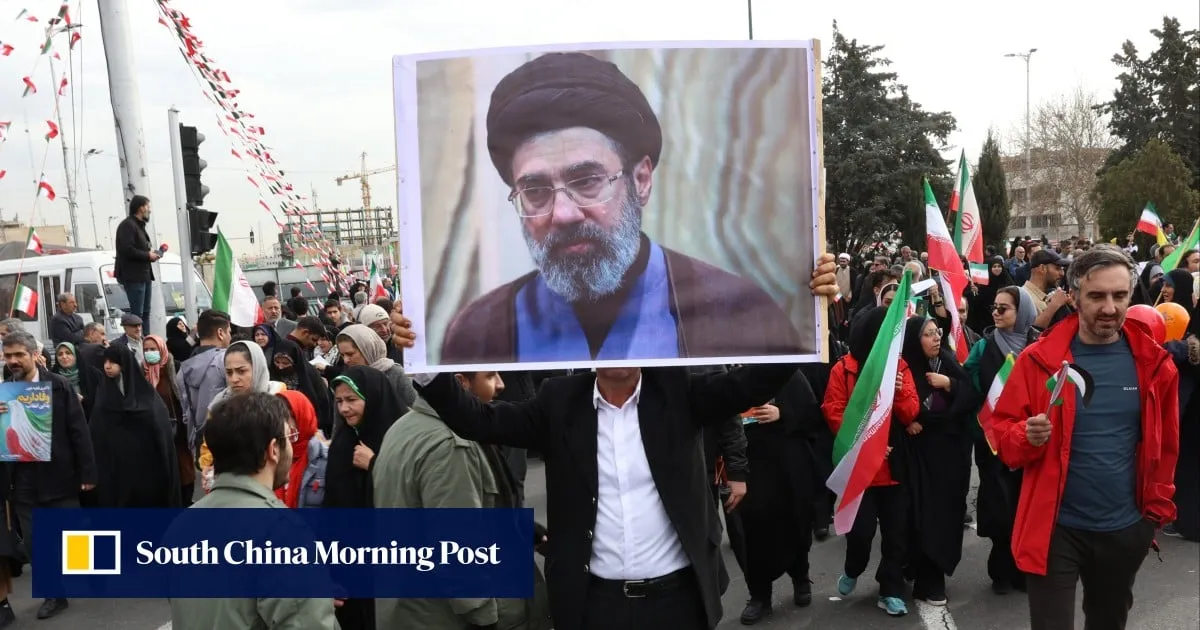
South China Morning PostFIG 01
Reading time
1min
Word count
159words
Sources cited
1cited
Entities identified
10entities
Quality score
100%
§ 01
Briefing Summary
AI-generatedNEWSAR · AI
Chinese analysts believe the appointment of Mojtaba Khamenei as Iran's new supreme leader will likely ensure continuity and stability in the country's policies, particularly regarding its relationship with China. Khamenei, son of the late Ayatollah Ali Khamenei, was confirmed as the new supreme leader by Iran's Assembly of Experts on Monday. Analysts suggest Khamenei may maintain or even harden his father's hardline stance against the US and Israel, potentially driven by personal grievances stemming from the death of his wife during recent US-Israeli military strikes. This continuity is expected to stabilize ties between Beijing and Tehran, as Khamenei assumes ultimate authority over Iranian state affairs, including foreign policy and the nuclear program.
Confidence 0.90Sources 1Claims 5Entities 10
§ 02
Article analysis
Model · rule-basedFraming
Political Strategy
National Security
Tone
Measured
AI-assessed
CalmNeutralAlarmist
Factuality
0.60 / 1.00
Mixed
LowHigh
Sources cited
1
Limited
FewMany
§ 03
Key claims
5 extracted01
The new supreme leader holds the final say over state affairs.
factualArticle's own claim
Confidence
1.00
02
Iran’s Assembly of Experts confirmed Khamenei would succeed his father as supreme leader.
factualArticle's own claim
Confidence
1.00
03
Chinese analysts expect Mojtaba Khamenei to continue his father’s policies.
predictionArticle's own claim based on analysts
Confidence
0.70
04
Mojtaba Khamenei's appointment could stabilise ties between Beijing and Tehran.
predictionArticle's own claim based on analysts
Confidence
0.60
05
He may even be tougher because he is young.
quoteZhou Rong, director of the Global South Countries Studies Centre
Confidence
0.50
§ 04
Full report
1 min read · 159 words§ 05
Entities
10 identifiedKey playerOppositionContextPositiveNeutralNegative
People3
§ 06
Keywords & salience
10 termsmojtaba khamenei
1.00
iran
0.90
supreme leader
0.80
us
0.70
china
0.70
israel
0.70
hardliner
0.60
foreign policy
0.50
stability
0.50
nuclear programme
0.40
§ 07
Topic connections
Interactive graph Network visualization showing 21 related topics
View Full Graph Person Organization Location Event|Click node to navigate|Edge numbers = shared articles