There is a price for everything: even the cost of insuring a ship travelling through the Strait of Hormuz.Donald Trump’s proposals for the US to provide political risk insurance for seaborne trade in the Gulf may have given the impression a lack of cover was the reason why traffic through the key waterway has almost halted.However, Lloyd’s of London, the heart of maritime insurance globally, emphasises it has not stopped providing contracts to those who ask – although at the right tariff.Fending off criticism over cancelled policies and sharp price rises, Lloyd’s said it still provided insurance cover for hull and cargo for vessels in the Persian Gulf and the Gulf of Oman, including in the Strait of Hormuz. However, last week it extended the restricted areas where clients needed to notify insurers to agree an appropriate premium in terms of the risk.About 500 oil and gas tankers, 500 container ships and six cruise ships have been trapped either side of the Hormuz channel since Iran made it a no-go zone by threatening to attack any vessel passing through.Just 66 ships have made it through since the war started. In normal times, roughly a fifth of global oil supplies and seaborne gas shipments use the route.According to the broker Marsh, insurance rates for physical war damage to a vessel have risen to between 1% and 1.5% of the ship’s insured value – up from 0.25% before the Iran conflict began. With oil tankers valued at between $17m and $100m last year, depending on size and age, this would mean shipping companies paying up to hundreds of thousands of dollars more per voyage.Analysts at Jefferies said: “It’s our base case that all ships currently in the Gulf will have had their policies cancelled, and almost all of these will have reinstated it at the new (much higher) price.” They added: “It seems likely to us that the war risk insurers will have had the opportunity to specifically exclude (or separately charge for) certain actions, such as sailing through the Strait of Hormuz.”On Friday, the US government announced a $20bn reinsurance facility for hull and cargo cover (but excluding pollution cover when ships are sunk), and said it was working with US insurers. Analysts have cast doubt on the effectiveness of the facility.The UK chancellor, Rachel Reeves, told MPs on Wednesday she was working with Lloyd’s, the US administration and other key allies “trying to reopen the Strait of Hormuz and making sure that vessels feel confident to travel through it, and that insurance products are available at right prices”.She added: “At the moment, the issue is not so much insurance products, but the safety of captains and crews of those vessels.”The Lloyd’s chair, Sir Charles Roxburgh, who met Reeves on Monday, echoed those comments. He added: “In my meeting with the chancellor, I reiterated Lloyd’s confidence in our marine insurance market, which has remained open and continues to support international trade and shipping during this period of heightened risk.”He said Lloyd’s and the market continued to work with key UK, US and international partners to ensure a “comprehensive response to the situation”.The insurance market, which traces its roots back to a London coffee house in 1688 owned by Edward Lloyd, where sailors, merchants, and shipowners met to secure marine insurance and exchange gossip, has sought to defend its decisions to cancel war risk policies in the Middle East and increase prices.Neil Roberts, head of marine and aviation at the Lloyd’s Market Association, which represents 59 Lloyd’s managing agents and members’ agents, said: “War insurance is provided by a dynamic market and new rates can be negotiated to reflect the changed risk profile in a three-way discussion between underwriters, insureds and their brokers.“The current Gulf conflict is seeing market participants adjust from a relatively peaceful norm, to one where there are multiple strikes on vessels.”
SRCThe Guardian - World News
LANGEN
LEANCenter-Left
WORDS643
ENT11
WED · 2026-03-11 · 15:58 GMTBRIEF NSR-2026-0311-23640
NSR-2026-0311-23640News Report·EN·Economic Impact
Lloyd’s of London stresses it is still insuring shipping in strait of Hormuz
Lloyd's of London is continuing to provide insurance for ships traveling through the Strait of Hormuz, despite increased risk and costs due to the Iran conflict. While Lloyd's has expanded restricted areas requiring premium adjustments, it has not stopped offering coverage.
Julia KolleweThe Guardian - World NewsFiled 2026-03-11 · 15:58 GMTLean · Center-LeftRead · 3 min
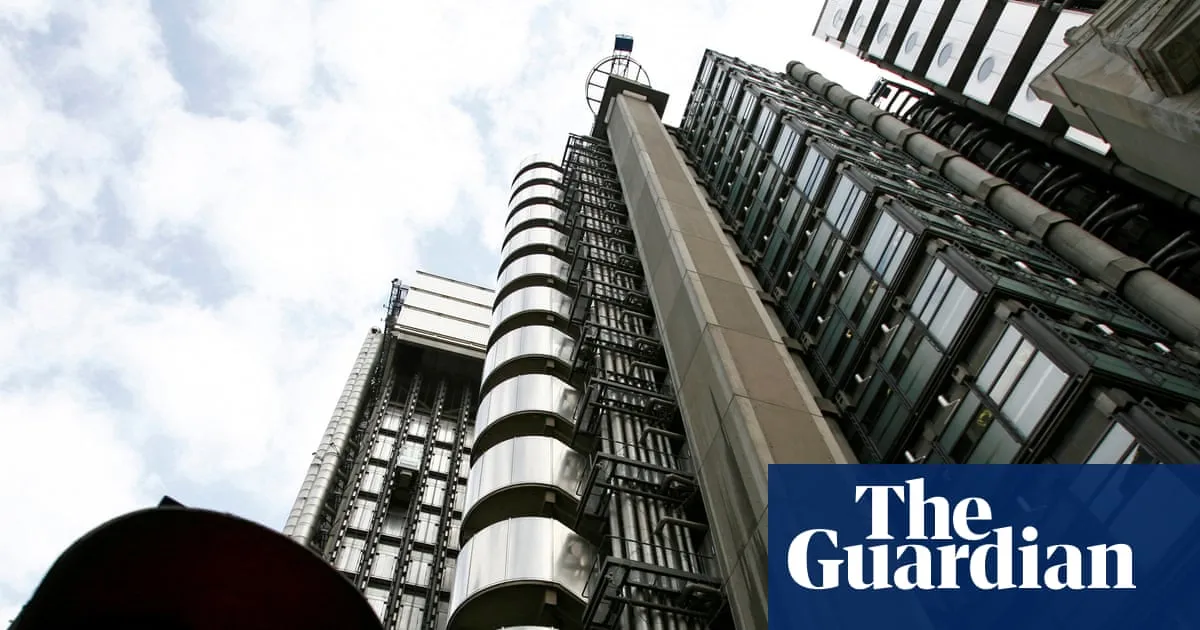
The Guardian - World NewsFIG 01
Reading time
3min
Word count
643words
Sources cited
6cited
Entities identified
11entities
Quality score
100%
§ 01
Briefing Summary
AI-generatedNEWSAR · AI
Lloyd's of London is continuing to provide insurance for ships traveling through the Strait of Hormuz, despite increased risk and costs due to the Iran conflict. While Lloyd's has expanded restricted areas requiring premium adjustments, it has not stopped offering coverage. Insurance rates for war damage have significantly increased, potentially costing shipping companies hundreds of thousands of dollars more per voyage. The US government has announced a $20 billion reinsurance facility to support shipping in the region, but its effectiveness is questioned. The UK is also working with international partners to ensure safe passage through the Strait, which is crucial for global oil and gas supplies.
Confidence 0.90Sources 6Claims 5Entities 11
§ 02
Article analysis
Model · rule-basedFraming
Economic Impact
Political Strategy
Tone
Measured
AI-assessed
CalmNeutralAlarmist
Factuality
0.70 / 1.00
Factual
LowHigh
Sources cited
6
Well sourced
FewMany
§ 03
Key claims
5 extracted01
At the moment, the issue is not so much insurance products, but the safety of captains and crews of those vessels.
quoteRachel Reeves
Confidence
1.00
02
The US government announced a $20bn reinsurance facility for hull and cargo cover.
factual
Confidence
1.00
03
Insurance rates for physical war damage to a vessel have risen to between 1% and 1.5% of the ship’s insured value.
statisticMarsh
Confidence
1.00
04
Lloyd’s of London emphasises it has not stopped providing contracts to those who ask for shipping insurance in the Strait of Hormuz.
factualLloyd's of London
Confidence
1.00
05
About 500 oil and gas tankers, 500 container ships and six cruise ships have been trapped either side of the Hormuz channel.
statistic
Confidence
0.80
§ 04
Full report
3 min read · 643 words§ 05
Entities
11 identifiedKey playerOppositionContextPositiveNeutralNegative
Organizations3
§ 06
Keywords & salience
8 termsshipping insurance
1.00
strait of hormuz
0.90
lloyd's of london
0.80
maritime insurance
0.70
war risk
0.60
persian gulf
0.50
insurance rates
0.50
oil tankers
0.40
§ 07
Topic connections
Interactive graph Network visualization showing 51 related topics
View Full Graph Person Organization Location Event|Click node to navigate|Edge numbers = shared articles