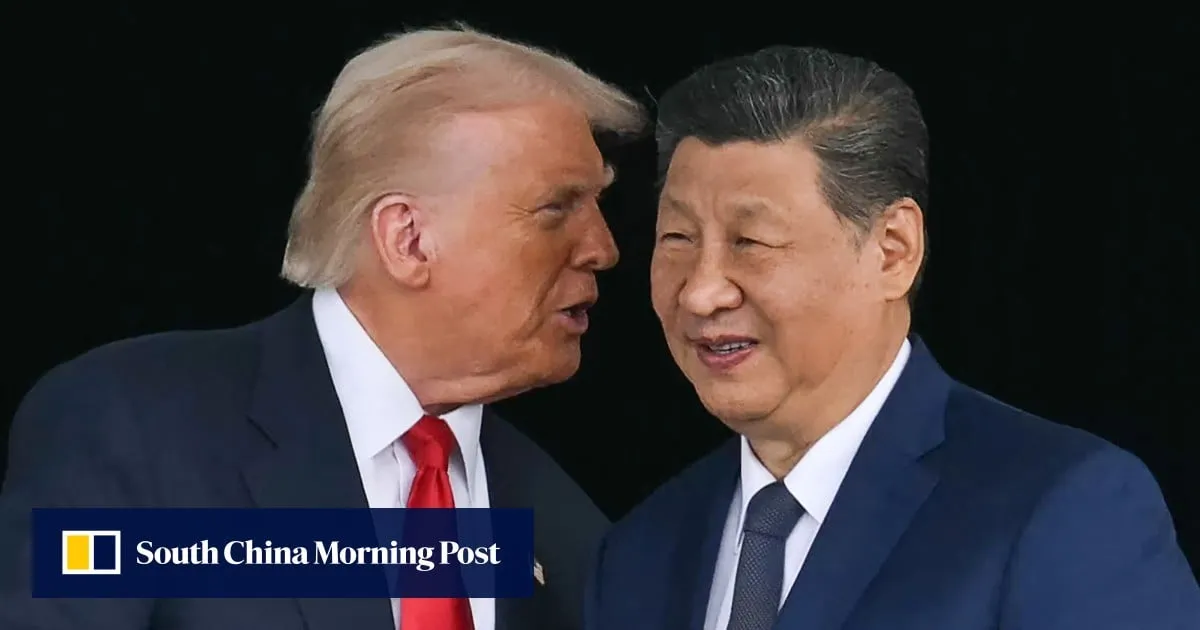
The United States’ decision to launch Section 301 investigations into alleged unfair trade practices by China and several other economies – which could allow Washington to reimpose higher tariffs – is a “bluff” designed to give US President Donald Trump some perceived leverage ahead of his expected trip to China, analysts said.But the threat is unlikely to work on Beijing, which has grown used to the president’s “art of the deal” tactics, they added.“Trump’s move before his China trip is calculated to appeal to his domestic base ahead of the midterm elections with the message: ‘I’m going to Beijing with investigations and leverage and won’t compromise,’” said Fu Weigang, president of the Shanghai Institute of Finance and Law, a private think tank.“China knows this is a result of US domestic politics, so it’s no surprise. Chinese exporters have been on the receiving end of such tactics for years, but they have become more resilient.”The Office of the US Trade Representative announced on Wednesday that it had opened fresh probes into 16 trade partners – including China, India, Japan, Mexico, the European Union and several Southeast Asian nations – under Section 301 of the 1974 Trade Act, to determine whether they had gained unfair advantages through “structural excess capacity and production”.If the investigations conclude such unfair practices have occurred, it will provide Washington with the legal basis to impose higher tariffs on those economies. Trump previously used this method to raise duties on Chinese goods during his first term in office.
SRCSouth China Morning Post
LANGEN
LEANCenter-Right
WORDS250
ENT11
THU · 2026-03-12 · 11:00 GMTBRIEF NSR-2026-0312-23862
NSR-2026-0312-23862News Report·EN·Political Strategy
Trump’s tariff investigation ‘bluff’ will not work on China, analysts warn
Analysts believe the U.S.'s new Section 301 investigations into China and other economies are a strategic maneuver by President Trump ahead of his expected trip to China. The investigations, targeting alleged unfair trade practices related to "structural excess capacity and production," could lead to higher tariffs.
Frank ChenSouth China Morning PostFiled 2026-03-12 · 11:00 GMTLean · Center-RightRead · 1 min
South China Morning PostFIG 01
Reading time
1min
Word count
250words
Sources cited
1cited
Entities identified
11entities
Quality score
100%
§ 01
Briefing Summary
AI-generatedNEWSAR · AI
Analysts believe the U.S.'s new Section 301 investigations into China and other economies are a strategic maneuver by President Trump ahead of his expected trip to China. The investigations, targeting alleged unfair trade practices related to "structural excess capacity and production," could lead to higher tariffs. Initiated by the U.S. Trade Representative, the probes involve 16 trade partners, including India, Japan, Mexico, and the European Union. Experts suggest this move is intended to appeal to Trump's domestic base and create leverage in negotiations with China. However, analysts contend that China is unlikely to be swayed, viewing it as a familiar tactic stemming from U.S. domestic politics.
Confidence 0.90Sources 1Claims 5Entities 11
§ 02
Article analysis
Model · rule-basedFraming
Political Strategy
Economic Impact
Tone
Measured
AI-assessed
CalmNeutralAlarmist
Factuality
0.60 / 1.00
Mixed
LowHigh
Sources cited
1
Limited
FewMany
§ 03
Key claims
5 extracted01
The Office of the US Trade Representative opened probes into 16 trade partners under Section 301 of the 1974 Trade Act.
factualnull
Confidence
1.00
02
The US launched Section 301 investigations into alleged unfair trade practices by China and other economies.
factualOffice of the US Trade Representative
Confidence
1.00
03
The investigations could allow Washington to reimpose higher tariffs.
factualnull
Confidence
0.90
04
China knows this is a result of US domestic politics.
quoteFu Weigang, president of the Shanghai Institute of Finance and Law
Confidence
0.80
05
Trump's tariff investigation is a 'bluff' designed to give him leverage before his China trip.
quoteanalysts
Confidence
0.70
§ 04
Full report
1 min read · 250 words§ 05
Entities
11 identifiedKey playerOppositionContextPositiveNeutralNegative
Organizations3
§ 06
Keywords & salience
9 termschina
1.00
tariffs
0.90
trade practices
0.80
section 301
0.80
trade investigation
0.70
unfair trade
0.70
us-china relations
0.60
trade war
0.50
domestic politics
0.40
§ 07
Topic connections
Interactive graph Network visualization showing 51 related topics
View Full Graph Person Organization Location Event|Click node to navigate|Edge numbers = shared articles