With the Iran crisis, the world is in a ‘jungle phase’ and Beijing should work on interventionism 2.0, government adviser says4-MIN READ4-MIN ListenPublished: 10:00pm, 12 Mar 2026Updated: 10:54pm, 12 Mar 2026With the Strait of Hormuz effectively weaponised as part of the Iran crisis, Beijing should move beyond rigid non-intervention to take targeted action to defend its massive interests abroad, according to a leading Chinese government adviser.In an interview published on Monday, Zheng Yongnian called for a more assertive “intervention 2.0” while avoiding US-style hegemonic overreach or “strong-arm” tactics.He argued that China’s commitment to “absolute non-intervention” was becoming increasingly untenable as rise of the “jungle law” created disorder, evident in the self-interested power plays surrounding the Iran conflict.His assessment was published by the Greater Bay Area Review, a social media account affiliated with the Chinese University of Hong Kong, Shenzhen, where Zheng is dean of the school of public policy.01:22Oil tankers set ablaze by Iranian drones as shipping vessels targeted in Middle East warOil tankers set ablaze by Iranian drones as shipping vessels targeted in Middle East warTehran halted cargo traffic through the narrow Strait of Hormuz, a choke point for one-fifth of global oil trade, after US-Israeli joint strikes killed Iranian supreme leader Ayatollah Ali Khamenei nearly two weeks ago.
SRCSouth China Morning Post
LANGEN
LEANCenter-Right
WORDS210
ENT11
THU · 2026-03-12 · 14:00 GMTBRIEF NSR-2026-0312-23924
NSR-2026-0312-23924News Report·EN·Political Strategy
Is it time for China to rethink non-intervention in this new age of disorder?
A Chinese government advisor, Zheng Yongnian, has suggested China reconsider its strict policy of non-intervention in international affairs. Published on March 12, 2026, the statement argues that the current global disorder, exemplified by the Iran crisis and weaponization of the Strait of Hormuz, necessitates a more assertive approach to protect China's interests.
Shi JiangtaoSouth China Morning PostFiled 2026-03-12 · 14:00 GMTLean · Center-RightRead · 1 min
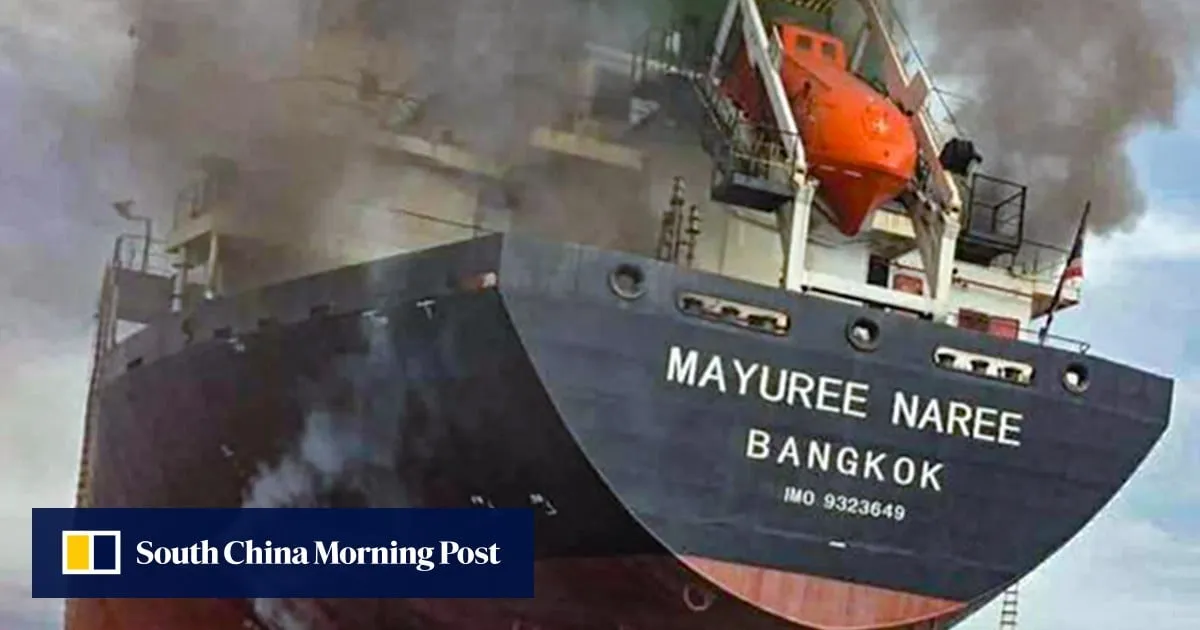
South China Morning PostFIG 01
Reading time
1min
Word count
210words
Sources cited
1cited
Entities identified
11entities
Quality score
100%
§ 01
Briefing Summary
AI-generatedNEWSAR · AI
A Chinese government advisor, Zheng Yongnian, has suggested China reconsider its strict policy of non-intervention in international affairs. Published on March 12, 2026, the statement argues that the current global disorder, exemplified by the Iran crisis and weaponization of the Strait of Hormuz, necessitates a more assertive approach to protect China's interests. Zheng proposes "intervention 2.0," a targeted action strategy that avoids hegemonic overreach. The call for a policy shift comes in response to Tehran halting cargo traffic through the Strait of Hormuz after US-Israeli strikes, impacting global oil trade. Zheng's assessment was published by the Greater Bay Area Review, affiliated with the Chinese University of Hong Kong, Shenzhen.
Confidence 0.90Sources 1Claims 5Entities 11
§ 02
Article analysis
Model · rule-basedFraming
Political Strategy
National Security
Tone
Mixed Tone
AI-assessed
CalmNeutralAlarmist
Factuality
0.60 / 1.00
Mixed
LowHigh
Sources cited
1
Limited
FewMany
§ 03
Key claims
5 extracted01
The Strait of Hormuz is a choke point for one-fifth of global oil trade.
factual
Confidence
1.00
02
US-Israeli joint strikes killed Iranian supreme leader Ayatollah Ali Khamenei nearly two weeks ago.
factual
Confidence
0.95
03
Tehran halted cargo traffic through the Strait of Hormuz after US-Israeli joint strikes.
factual
Confidence
0.95
04
Beijing should move beyond rigid non-intervention to defend its massive interests abroad.
quoteZheng Yongnian
Confidence
0.90
05
China's commitment to absolute non-intervention is becoming increasingly untenable.
quoteZheng Yongnian
Confidence
0.80
§ 04
Full report
1 min read · 210 words§ 05
Entities
11 identifiedKey playerOppositionContextPositiveNeutralNegative
Organizations2
§ 06
Keywords & salience
8 termsnon-intervention
1.00
china
0.90
iran crisis
0.80
interventionism
0.70
strait of hormuz
0.60
foreign policy
0.50
geopolitics
0.50
oil trade
0.40
§ 07
Topic connections
Interactive graph Network visualization showing 51 related topics
View Full Graph Person Organization Location Event|Click node to navigate|Edge numbers = shared articles