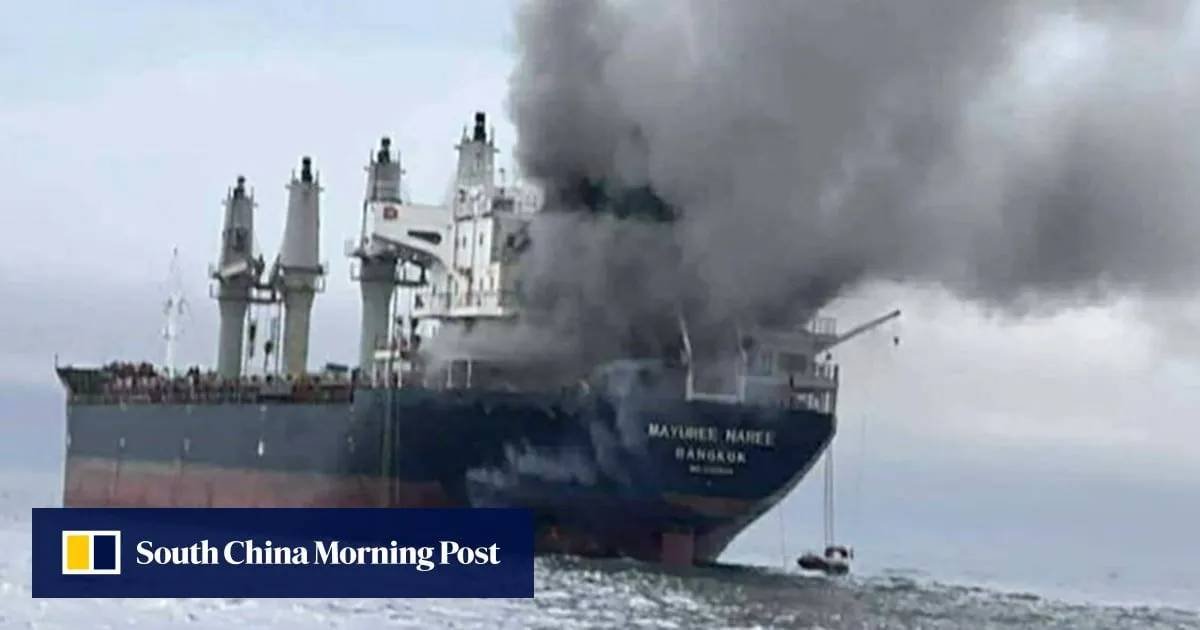
Long before the US and Israel attacked Iran, the Islamic Republic had devised its own weapon: holding the world’s main oil lifeline hostage to offset its foes’ military superiority, three regional sources familiar with Iranian planning said.For decades, Iran has signalled that if pushed into a confrontation, it would restrict tanker traffic in the Strait of Hormuz, the chokepoint where its adversaries are most exposed because disruptions there reverberate instantly through global energy markets.With the Gulf’s main export artery in the crosshairs, Tehran has turned the region’s greatest economic asset into its most powerful deterrent, the sources said.About a fifth of global oil and liquefied natural gas normally passes through the vital strait, and Iran, which lies on its northern coast, has now effectively closed it. Traffic via the strait has dropped by 97 per cent since the war against Iran began on February 28, according to UN data.Iran has used similar tactics before. In the “Tanker War” of the 1980-88 Iran-iraq-conflict" class="entity-link entity-event" data-entity-id="43834" data-entity-type="event">Iran-Iraq conflict, attacks on vessels turned the Gulf into one of the world’s most dangerous waterways, forcing Washington to escort tankers through the strait.But Iran now wields far more potent tools, including large arsenals of cheap missiles and drones capable of threatening shipping across a far wider area. Its attacks this month have shown how quickly Tehran can disrupt traffic through the strait without heavily mining it.
SRCSouth China Morning Post
LANGEN
LEANCenter-Right
WORDS228
ENT10
FRI · 2026-03-13 · 15:15 GMTBRIEF NSR-2026-0313-24261
NSR-2026-0313-24261News Report·EN·Political Strategy
How Iran turned Strait of Hormuz into potent weapon against US bombardment
According to regional sources, Iran has strategically weaponized the Strait of Hormuz as a deterrent against potential attacks from the US and Israel. The Strait, a vital chokepoint for approximately one-fifth of global oil and liquefied natural gas, has been effectively closed by Iran since a conflict began on February 28, resulting in a 97% traffic decrease.
ReutersSouth China Morning PostFiled 2026-03-13 · 15:15 GMTLean · Center-RightRead · 1 min
South China Morning PostFIG 01
Reading time
1min
Word count
228words
Sources cited
3cited
Entities identified
10entities
Quality score
75%
§ 01
Briefing Summary
AI-generatedNEWSAR · AI
According to regional sources, Iran has strategically weaponized the Strait of Hormuz as a deterrent against potential attacks from the US and Israel. The Strait, a vital chokepoint for approximately one-fifth of global oil and liquefied natural gas, has been effectively closed by Iran since a conflict began on February 28, resulting in a 97% traffic decrease. This tactic, reminiscent of the 1980s "Tanker War," leverages Iran's geographical position and control over the Strait to disrupt global energy markets. Iran now possesses advanced weaponry, including missiles and drones, enabling them to threaten shipping across a wider area and quickly disrupt traffic without extensive mining operations. The strategy aims to offset military disadvantages by exploiting vulnerabilities in global energy supply chains.
Confidence 0.90Sources 3Claims 5Entities 10
§ 02
Article analysis
Model · rule-basedFraming
Political Strategy
National Security
Tone
Mixed Tone
AI-assessed
CalmNeutralAlarmist
Factuality
0.70 / 1.00
Factual
LowHigh
Sources cited
3
Well sourced
FewMany
§ 03
Key claims
5 extracted01
About a fifth of global oil and liquefied natural gas normally passes through the Strait of Hormuz.
statisticnull
Confidence
1.00
02
Traffic via the strait has dropped by 97 per cent since the war against Iran began on February 28.
statisticUN data
Confidence
0.90
03
Iran now wields far more potent tools, including large arsenals of cheap missiles and drones.
factualnull
Confidence
0.80
04
Iran has devised a strategy to hold the world’s main oil lifeline hostage.
factualthree regional sources familiar with Iranian planning
Confidence
0.80
05
Its attacks this month have shown how quickly Tehran can disrupt traffic through the strait.
factualnull
Confidence
0.70
§ 04
Full report
1 min read · 228 words§ 05
Entities
10 identifiedKey playerOppositionContextPositiveNeutralNegative
Locations6