They leave behind the locked gates, surveillance and violence, but often return home carrying injuries, trauma and the stigma of having been forced to scam others.Just as difficult is what comes next: trying to explain the experience to the people waiting for them.“Some of them are not able to tell their family members or their community what has happened,” said human rights advocate Andrey Sawchenko, International Justice Mission’s vice-president for programme impact in the Asia-Pacific.“So they’re also facing isolation and a lack of connection with other people around them because of their inability to connect about these experiences.”That silence reflects a deeper problem described in a recent United Nations human rights report on trafficking and abuse inside Southeast Asia’s online scam compounds: rescue does not always mean safety, recognition or support.Ex-workers walk out of a suspected scam centre compound in Sihanoukville, Cambodia, on January 15. Photo: AFP
SRCSouth China Morning Post
LANGEN
LEANCenter-Right
WORDS147
ENT8
SUN · 2026-03-15 · 00:00 GMTBRIEF NSR-2026-0315-24603
NSR-2026-0315-24603News Report·EN·Human Rights
Southeast Asia’s scam compound survivors suffer in stigma and silence
Survivors of Southeast Asian scam compounds face significant challenges even after escaping the forced labor and violence. Many are unable to share their experiences with family and communities due to the stigma associated with having been forced to scam others, leading to isolation.
Sam BeltranSouth China Morning PostFiled 2026-03-15 · 00:00 GMTLean · Center-RightRead · 1 min
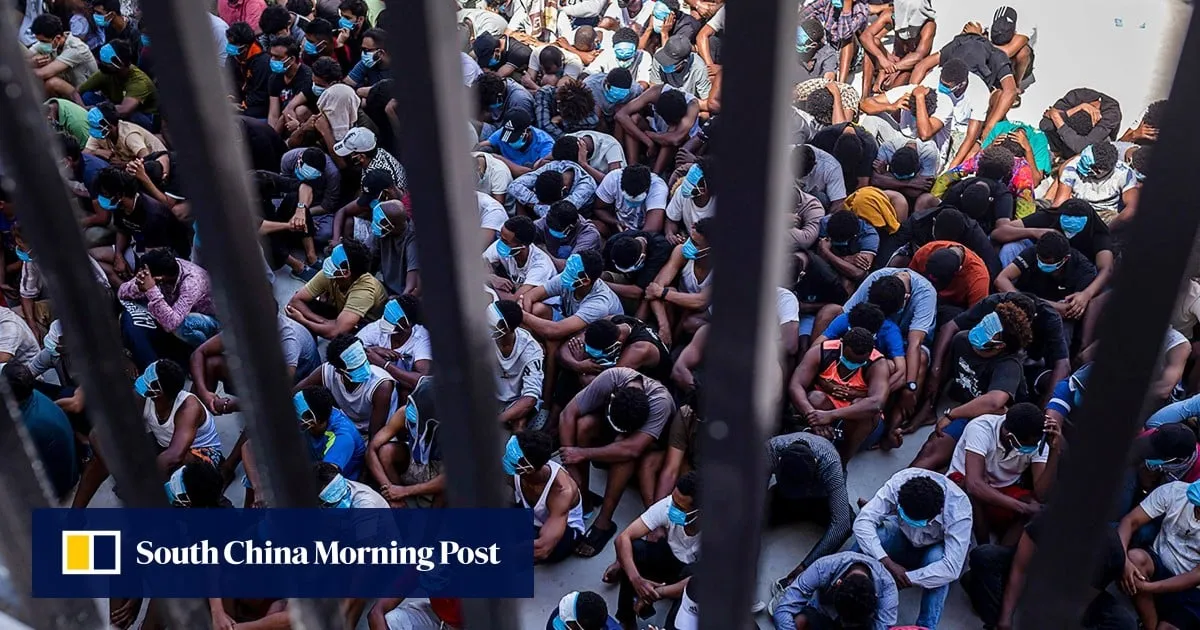
South China Morning PostFIG 01
Reading time
1min
Word count
147words
Sources cited
1cited
Entities identified
8entities
Quality score
100%
§ 01
Briefing Summary
AI-generatedNEWSAR · AI
Survivors of Southeast Asian scam compounds face significant challenges even after escaping the forced labor and violence. Many are unable to share their experiences with family and communities due to the stigma associated with having been forced to scam others, leading to isolation. A recent UN report highlights that rescue from these compounds doesn't guarantee safety, recognition, or support for the victims. This silence and lack of support exacerbate the trauma experienced by those who were trafficked and abused in these online scam operations, often located in countries like Cambodia. Human rights advocates emphasize the need for greater understanding and assistance for these individuals as they reintegrate into their societies.
Confidence 0.85Sources 1Claims 4Entities 8
§ 02
Article analysis
Model · rule-basedFraming
Human Rights
Social Justice
Tone
Measured
AI-assessed
CalmNeutralAlarmist
Factuality
0.70 / 1.00
Factual
LowHigh
Sources cited
1
Limited
FewMany
§ 03
Key claims
4 extracted01
Rescue from scam compounds does not always mean safety, recognition or support.
factualUnited Nations human rights report
Confidence
0.90
02
Some survivors are unable to tell their families what happened to them.
quoteAndrey Sawchenko, International Justice Mission
Confidence
0.90
03
Survivors of Southeast Asia's scam compounds often face stigma and silence upon returning home.
factual
Confidence
0.90
04
Survivors face isolation due to their inability to connect about their experiences.
quoteAndrey Sawchenko, International Justice Mission
Confidence
0.80
§ 04
Full report
1 min read · 147 words§ 05
Entities
8 identifiedKey playerOppositionContextPositiveNeutralNegative
People1
§ 06
Keywords & salience
9 termsscam compounds
1.00
human trafficking
0.80
southeast asia
0.70
stigma
0.70
online scams
0.60
trauma
0.60
rescue
0.50
survivors
0.50
silence
0.40
§ 07
Topic connections
Interactive graph Network visualization showing 51 related topics
View Full Graph Person Organization Location Event|Click node to navigate|Edge numbers = shared articles