New, critical dynamics are emerging in the region that could reshape it in dramatic ways.American University of Beirut, Distinguished Public Policy Fellow.Published On 15 Mar 2026The first two weeks of the Israeli-American assault on Iran have generated enormous amounts of news, propaganda and speculation. Politicians and pundits on all sides have offered contradictory information and analyses that have obscured realities on the ground and overloaded the global public.As the conflict enters its third week, careful observation can still identify new and critical dynamics that could shape its outcome, the future of the Middle East, and perhaps global confrontations and conditions. They are all new realities that feed into each other to create this destructive moment.First, the scope of this war has expanded military clashes to more than a dozen states in the region while also entangling countries around the world who assist either side. The global array of states involved in this war is unprecedented. It shatters the assumption that countries can be safe if they stay out of the fighting. That was made clear when Iran decided to attack Gulf states, Iraq and Jordan for hosting US military bases and Cyprus and Turkiye for hosting US and British forces.Second, the direct impact of the war has rattled most of the world through oil and gas shortages, shipping constraints, higher prices and the prospect of an economic recession. No country can insulate itself from the impacts of the war, whether at the level of the economy or basic family security in foodstuffs, medicines and household energy needs.Third, the duration of the Israeli-US war on Iran will determine its long-term impacts regionally and globally. The aggressors from Washington and Tel Aviv hoped for a quick and decisive victory. They assumed they could kill and topple the Iranian leadership within a few days but have failed to achieve that after 14 days of unrelenting attacks. Iran and its allies seek a lengthy war that bleeds the attackers’ military capabilities and political endurance and compels them to cease fire and stop trying to turn the entire Middle East into a flaccid collection of supplicants and vassals.
SRCAl Jazeera
LANGEN
LEANCenter
WORDS353
ENT12
SUN · 2026-03-15 · 13:41 GMTBRIEF NSR-2026-0315-24735
NSR-2026-0315-24735Analysis·EN·Conflict
What do the first two weeks of the war on Iran portend for the future?
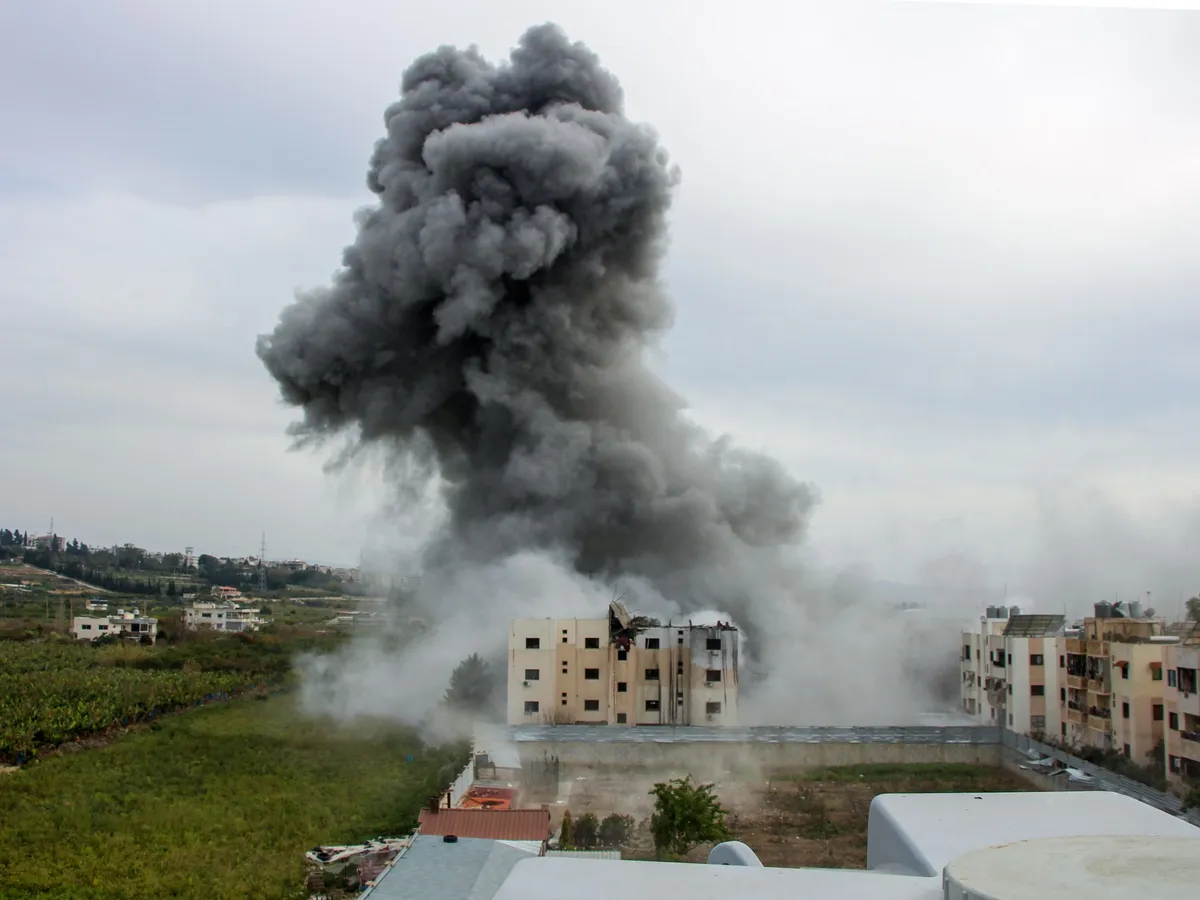
In March 2026, two weeks into the Israeli-American assault on Iran, new dynamics are emerging with potentially dramatic consequences for the Middle East and globally. The conflict has expanded to involve over a dozen states in the region and entangled countries worldwide, marking an unprecedented global array of participants.
Rami G KhouriAl JazeeraFiled 2026-03-15 · 13:41 GMTLean · CenterRead · 2 min
Al JazeeraFIG 01
Reading time
2min
Word count
353words
Sources cited
1cited
Entities identified
12entities
Quality score
100%
§ 01
Briefing Summary
AI-generatedNEWSAR · AI
In March 2026, two weeks into the Israeli-American assault on Iran, new dynamics are emerging with potentially dramatic consequences for the Middle East and globally. The conflict has expanded to involve over a dozen states in the region and entangled countries worldwide, marking an unprecedented global array of participants. The war's direct impact includes worldwide oil and gas shortages, shipping constraints, higher prices, and the threat of economic recession. The duration of the war is critical, with the US and Israel initially aiming for a swift victory, while Iran and its allies seek a prolonged conflict to weaken the attackers and force a ceasefire. The attacks by Iran on Gulf states, Iraq, Jordan, Cyprus and Turkiye are due to the presence of US and British forces.
Confidence 0.90Sources 1Claims 5Entities 12
§ 02
Article analysis
Model · rule-basedFraming
Conflict
Economic Impact
Tone
Mixed Tone
AI-assessed
CalmNeutralAlarmist
Factuality
0.30 / 1.00
Opinion-Heavy
LowHigh
Sources cited
1
Limited
FewMany
§ 03
Key claims
5 extracted01
Iran decided to attack Gulf states, Iraq and Jordan for hosting US military bases and Cyprus and Turkiye for hosting US and British forces.
factualArticle
Confidence
0.90
02
The first two weeks of the Israeli-American assault on Iran have generated enormous amounts of news, propaganda and speculation.
factualArticle
Confidence
0.80
03
The direct impact of the war has rattled most of the world through oil and gas shortages, shipping constraints, higher prices.
factualArticle
Confidence
0.70
04
The scope of this war has expanded military clashes to more than a dozen states in the region.
factualArticle
Confidence
0.70
05
The aggressors from Washington and Tel Aviv hoped for a quick and decisive victory.
predictionArticle
Confidence
0.60
§ 04
Full report
2 min read · 353 words§ 05
Entities
12 identifiedKey playerOppositionContextPositiveNeutralNegative
Organizations1
§ 06
Keywords & salience
8 termswar on iran
1.00
middle east
0.80
global confrontations
0.70
economic recession
0.60
oil and gas shortages
0.60
israeli-american assault
0.50
military clashes
0.50
political endurance
0.40
§ 07
Topic connections
Interactive graph Network visualization showing 51 related topics
View Full Graph Person Organization Location Event|Click node to navigate|Edge numbers = shared articles